
Journal
Plan before you pack.
Our Srinagar team’s guides help you choose travel dates, plan the trip from your city and estimate what the stay, transport and activities might cost.
- Free custom quotes from our tour planners
- Package tours for Jammu, Kashmir and Ladakh
- Houseboats on Dal and Nigeen lakes, hotels and cabs
- Pay as you go: no stress on payments
Free custom quote · Step 1 of 2
Where do we reach you?
Enquiring about: Journal
Start here
Planning a Kashmir trip? Read these first.
Start with season and transport, then use the budget and itinerary guides to decide what you can comfortably fit into your dates.
- All 17 packages compared
- Kashmir tour packages from Srinagar
- Kashmir honeymoon packages
- Honeymoon packages in India compared
- Kashmir tour package price list
- How to plan a Kashmir trip
- Choosing a Kashmir travel agency
- How to reach Kashmir
- Is Kashmir safe to visit
- Permits and ID for Kashmir and Ladakh
- Packages from your city
- Hotels and houseboats
- Cab and taxi service in Srinagar
Guides
Guides for every stage of the trip.
 JournalKashmir Adventure Journal: Notes for Travellers on the MoveField notes for adventure travellers in Kashmir and Ladakh: first-time snow at Gulmarg, walks by fitness, Ladakh camps, the road to Leh and how to stay safe.
 JournalBest Time to Visit Kashmir: Tulips, Meadows, Chinar Colour or SnowKashmir weather by month: March is Srinagar's wettest, October its driest, January its coldest. Tulip dates, Gulmarg snow, the Amarnath yatra and the Zoji La.
 JournalKashmiri Culture and Food Journal: Feasts, Tea and CraftSpend time at Srinagar's bakeries, tables, craft shops and places of worship. Learn what to ask about wazwan, tea, shawls and saffron.
 JournalGulmarg, Pahalgam or Sonmarg? Where to Go and How Long to StayGulmarg, Pahalgam or Sonmarg? How far each is from Srinagar, how long to stay and who enjoys it most, plus Srinagar, Leh and the quieter valleys.
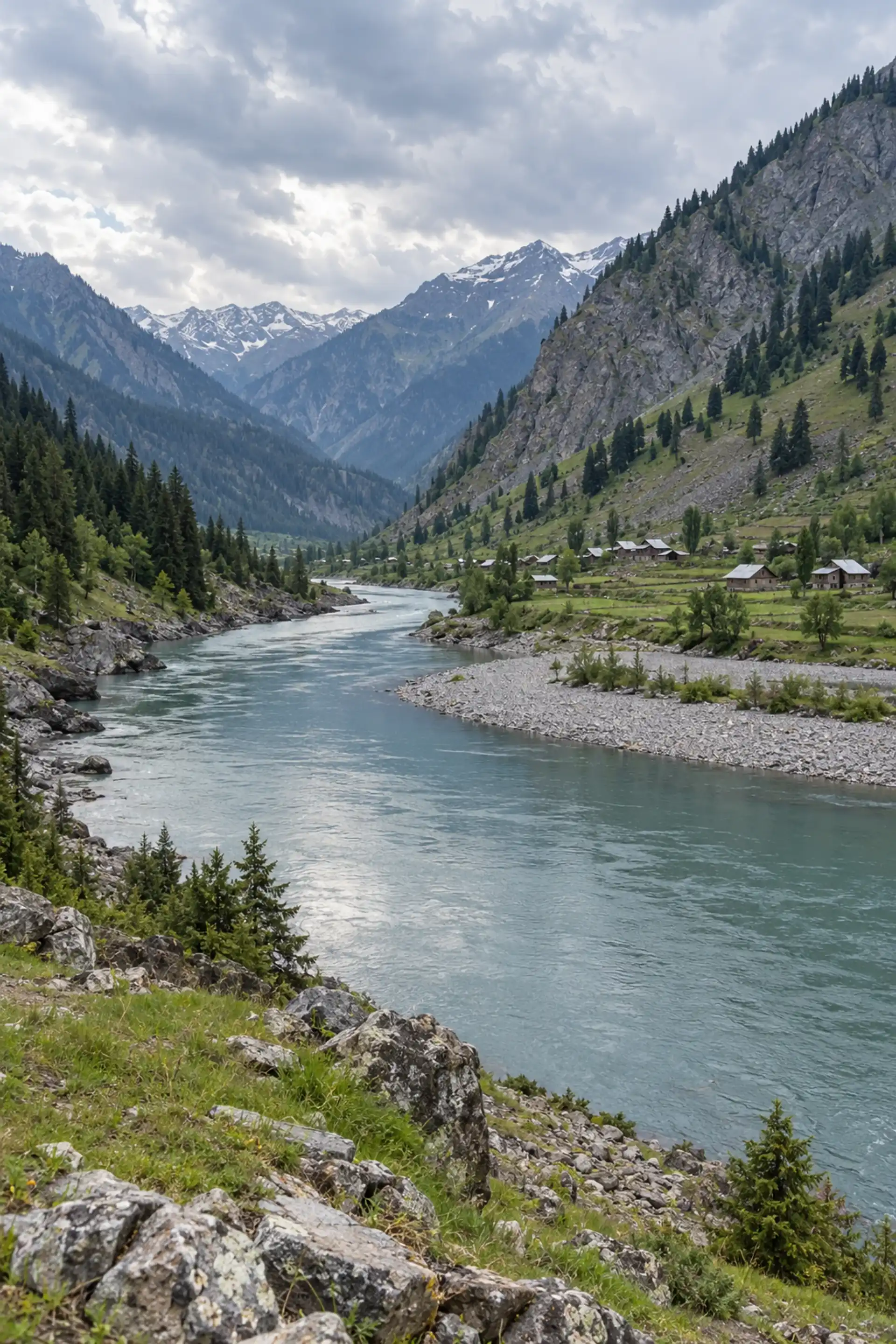 JournalFamily Travel in Kashmir: Trips with Children and GrandparentsTravelling Kashmir with kids and elders: pacing, easy stops, rooms, cars, food and health, so that every generation enjoys the same trip.
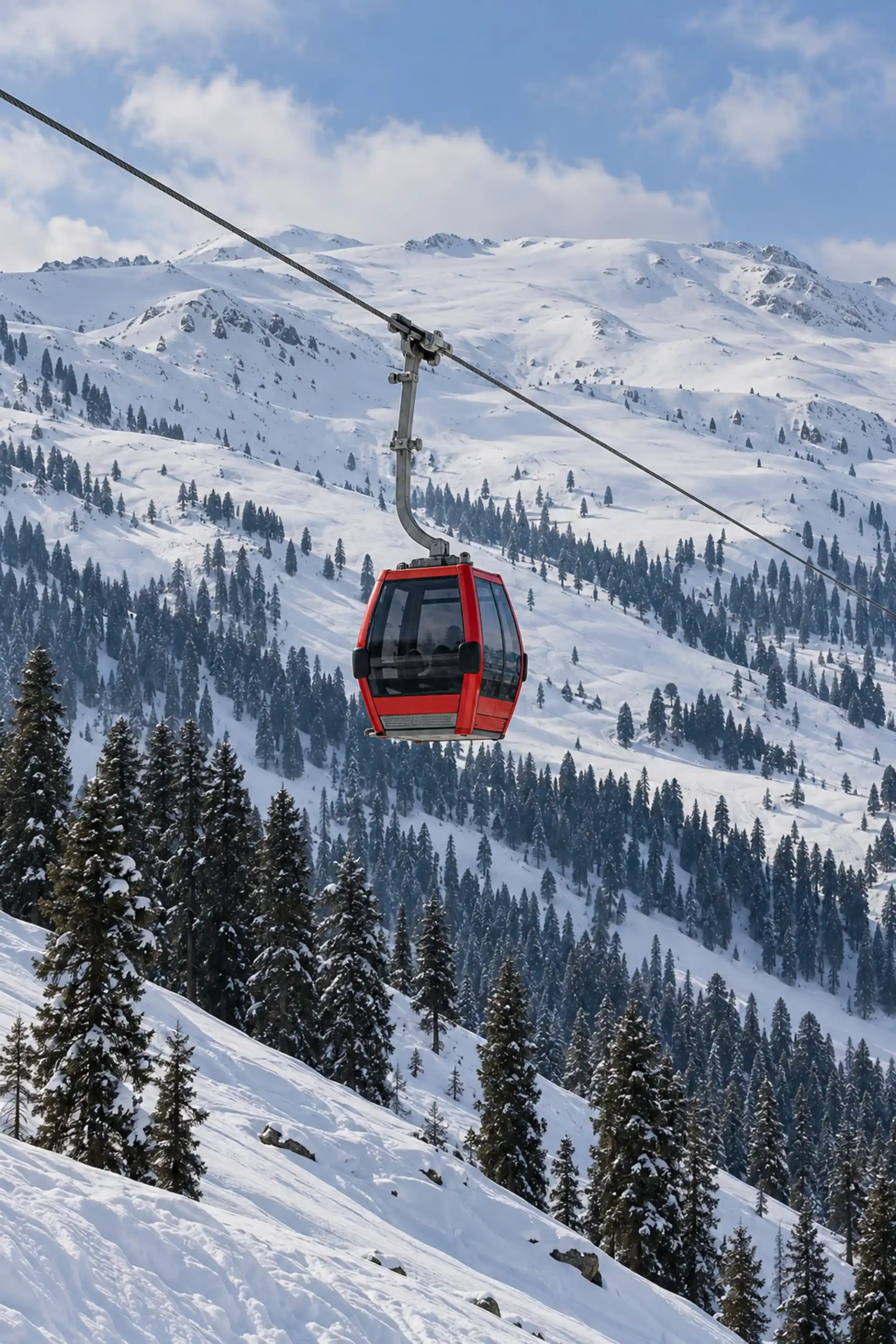 JournalPlanning a Gulmarg Gondola Ride to Kongdori and ApharwatChoose a Gulmarg Gondola phase, check ticket slots and Monday closures, and plan the drive from Srinagar with time for queues and weather.
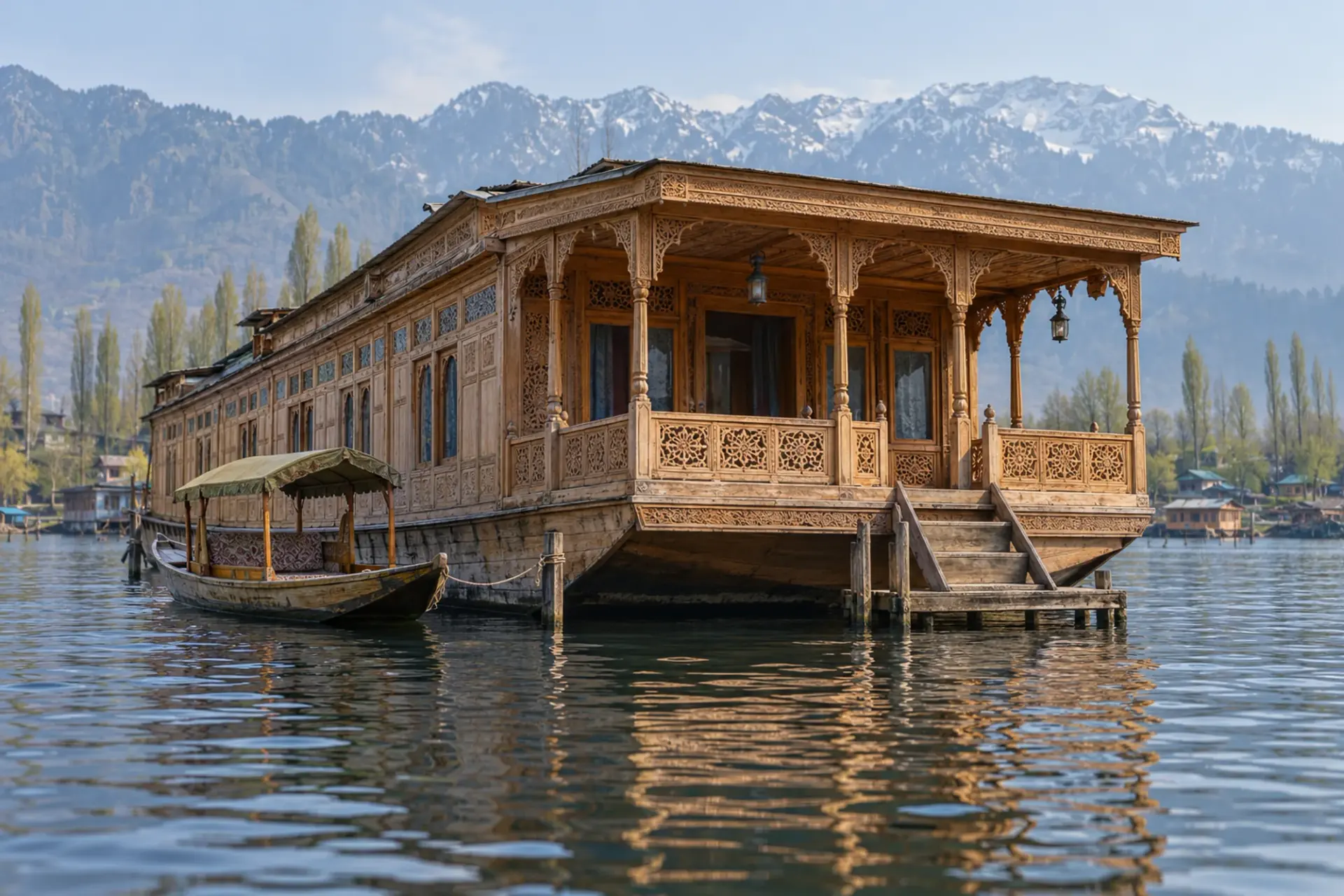 JournalKashmir Honeymoon Journal: Ideas and Moods for TwoChoose a lakeside, garden, autumn, snow or quiet hill honeymoon in Kashmir. Plan a slow day and see which small arrangements are worth checking.
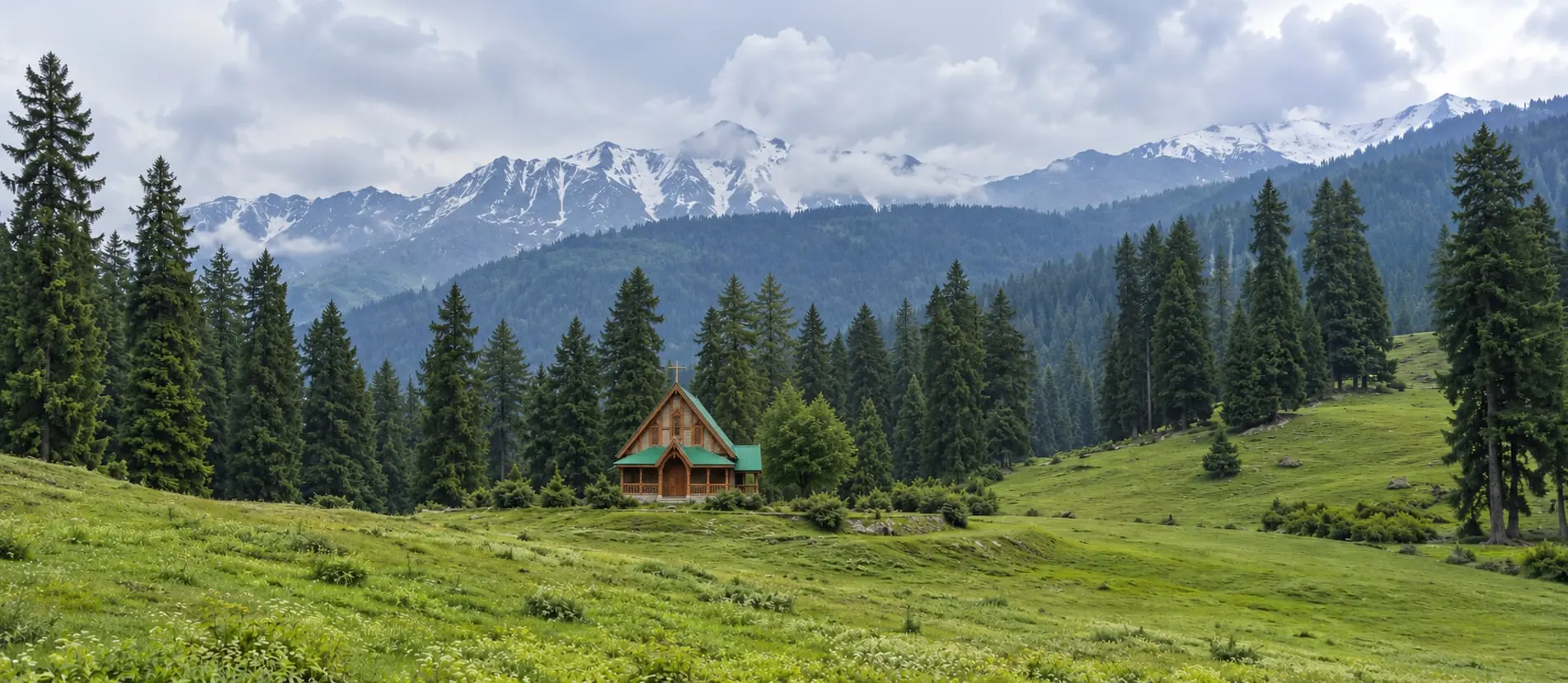 JournalHow Many Days Do You Need for Kashmir? Two to Ten DaysChoose how many days to spend in Kashmir, from two days in Srinagar to a longer Valley trip. Compare hill drives, arrival times and Soun Kashmir packages.
 JournalHow to Plan a Kashmir Trip: Days, Season, Route and BookingPlan your Kashmir trip around the Srinagar arrival, drive to Gulmarg, Pahalgam or Sonmarg, room choices and a written quote from Soun Kashmir.
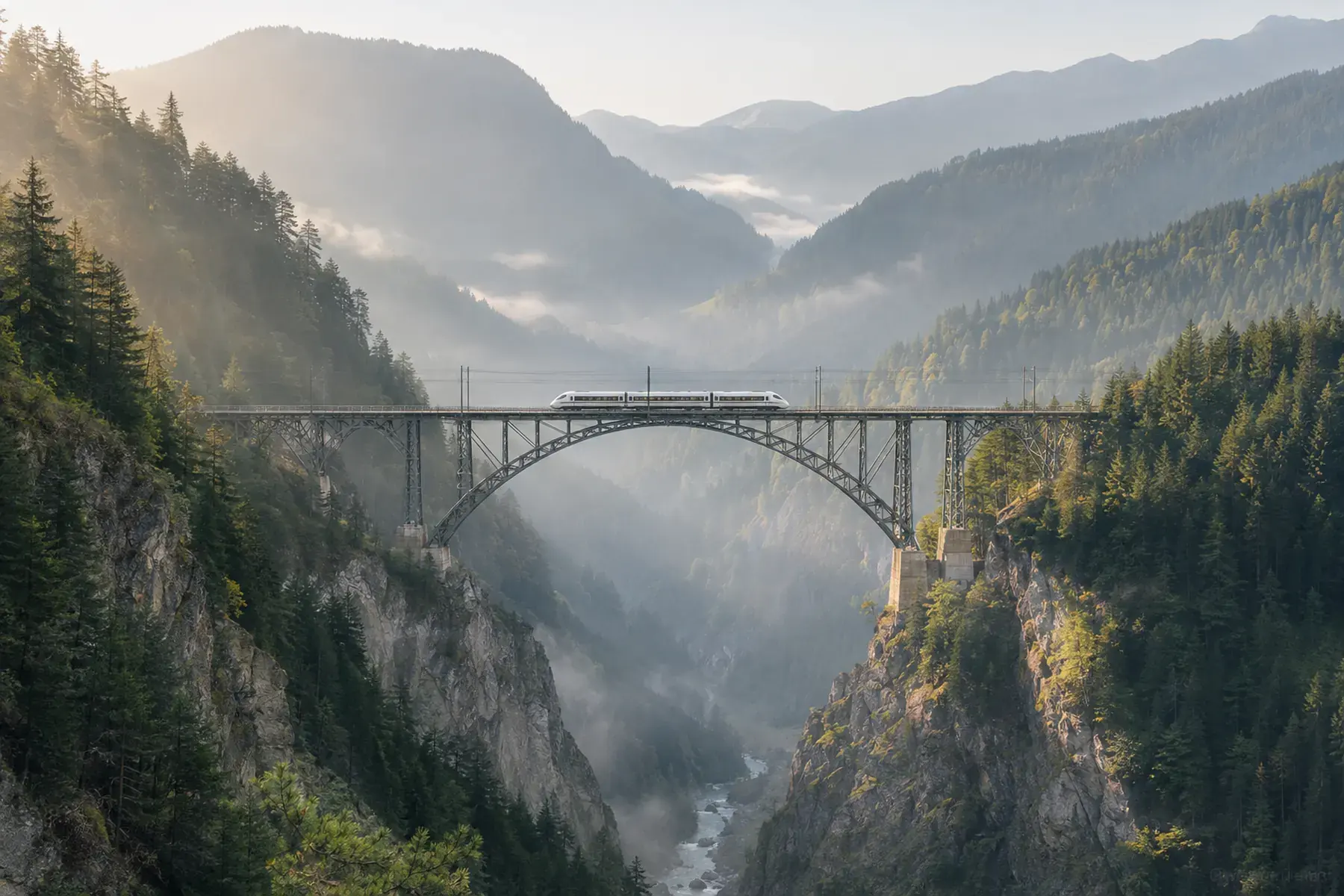 JournalReach Kashmir: Fly to Srinagar, Ride the Vande Bharat or Drive NH-44Compare flights to Srinagar, Vande Bharat via Jammu or Katra and road transfers. Check station timings, highway access and where to meet your pickup.
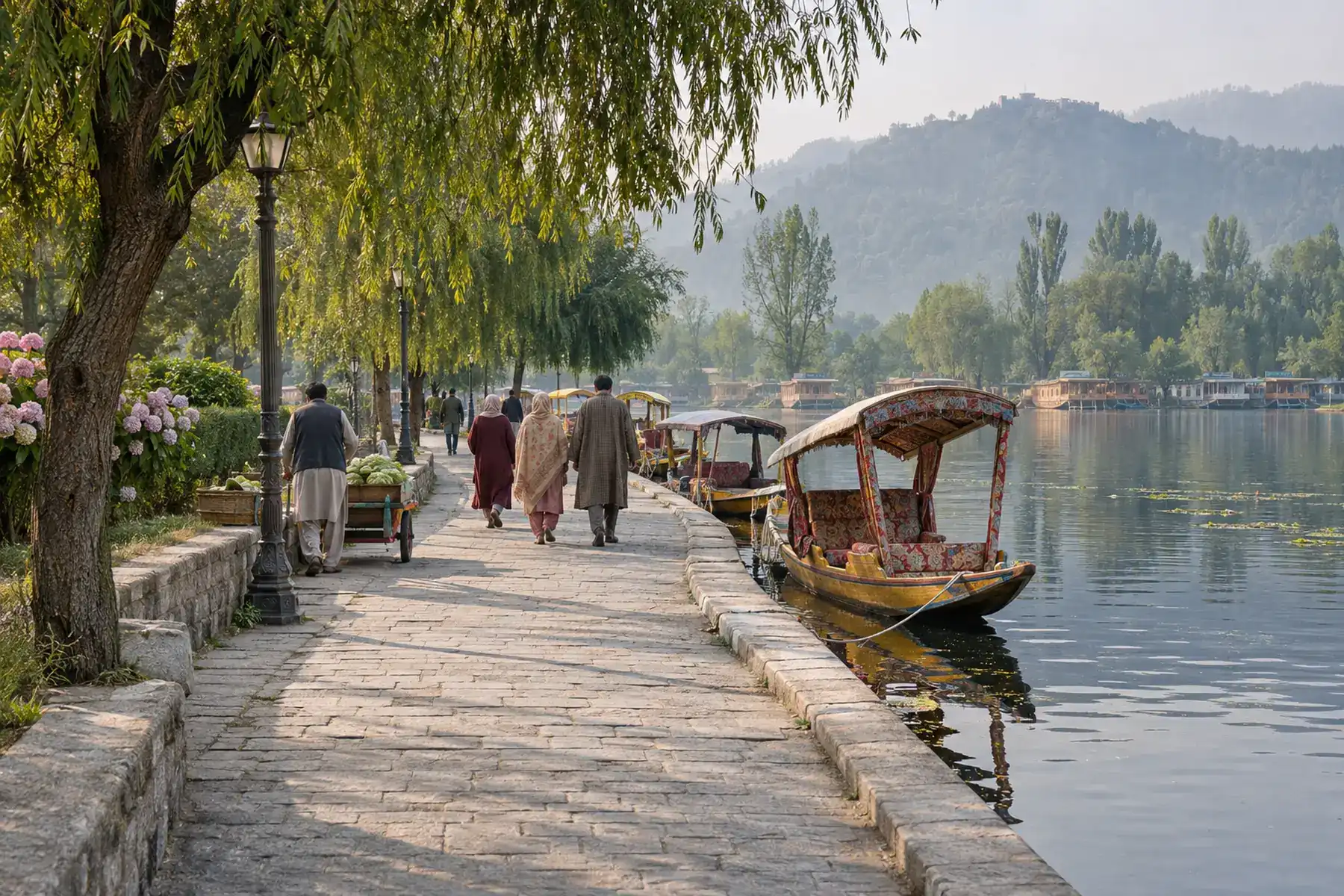 JournalIs Kashmir Safe to Visit Now? Dated Advisories and FactsCheck official travel advice for Jammu and Kashmir, current site restrictions, insurance and road access before deciding whether to book.
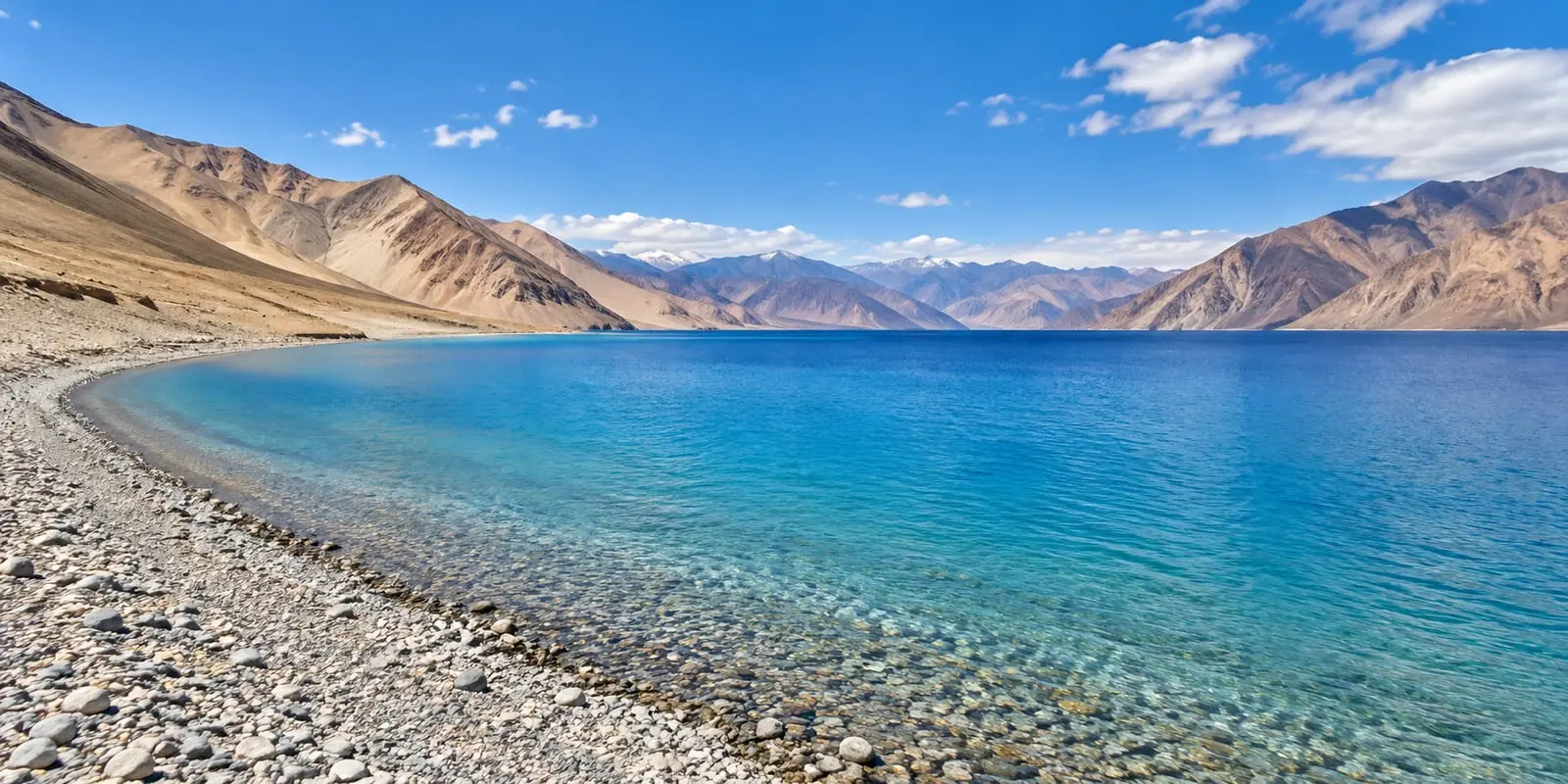 JournalKashmir 10 Day Itinerary: Valley, North or LadakhCompare three ten-day Kashmir itineraries: a slower Valley stay, Gurez and the meadows, or a Srinagar-to-Leh journey with route and permit checks.
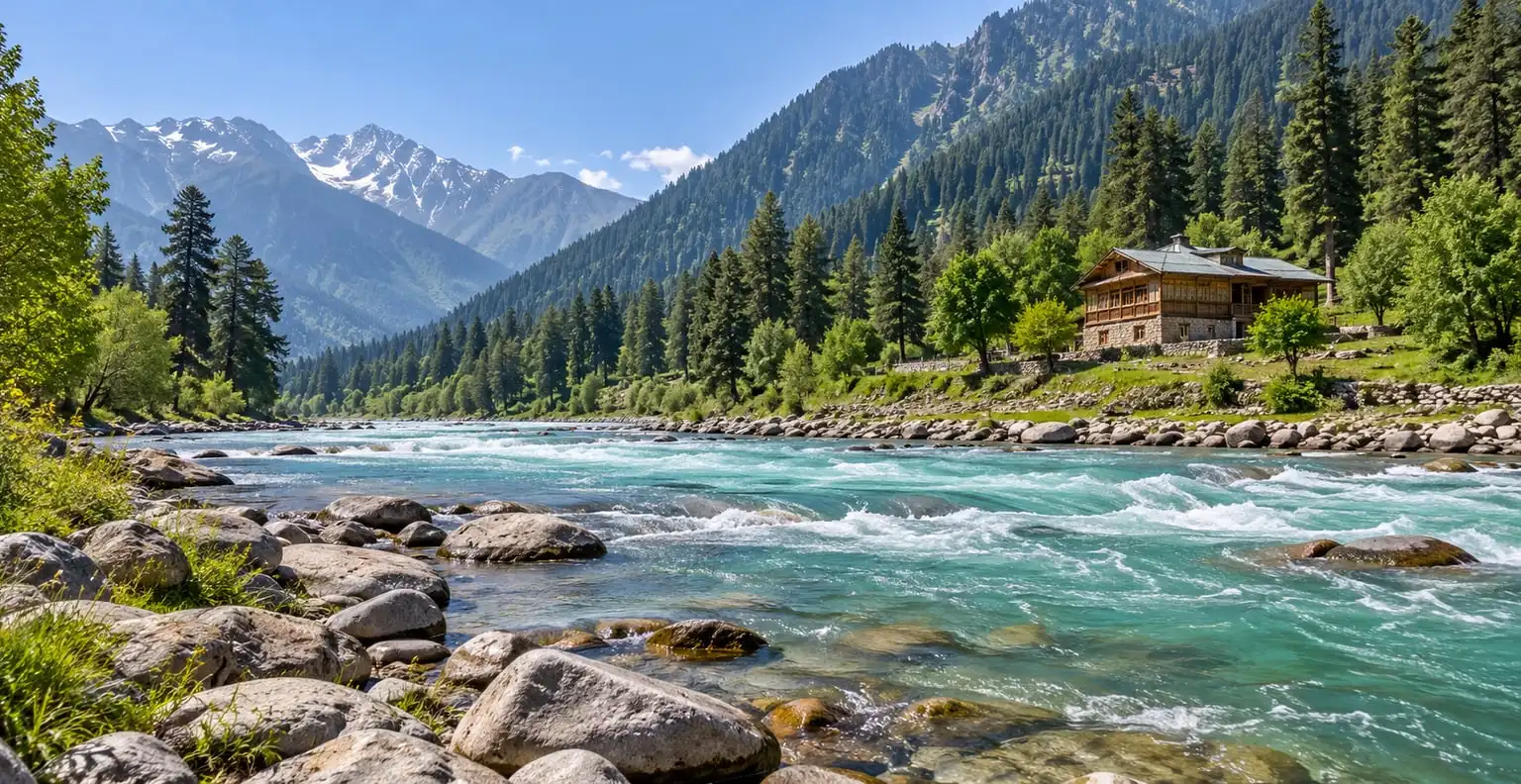 Journal6-Day Kashmir Itinerary: One Srinagar Base or a Night in PahalgamCompare two six-day Kashmir routes with Srinagar, Sonmarg, Gulmarg and Pahalgam, with drive estimates, flight timing and Soun Kashmir prices.
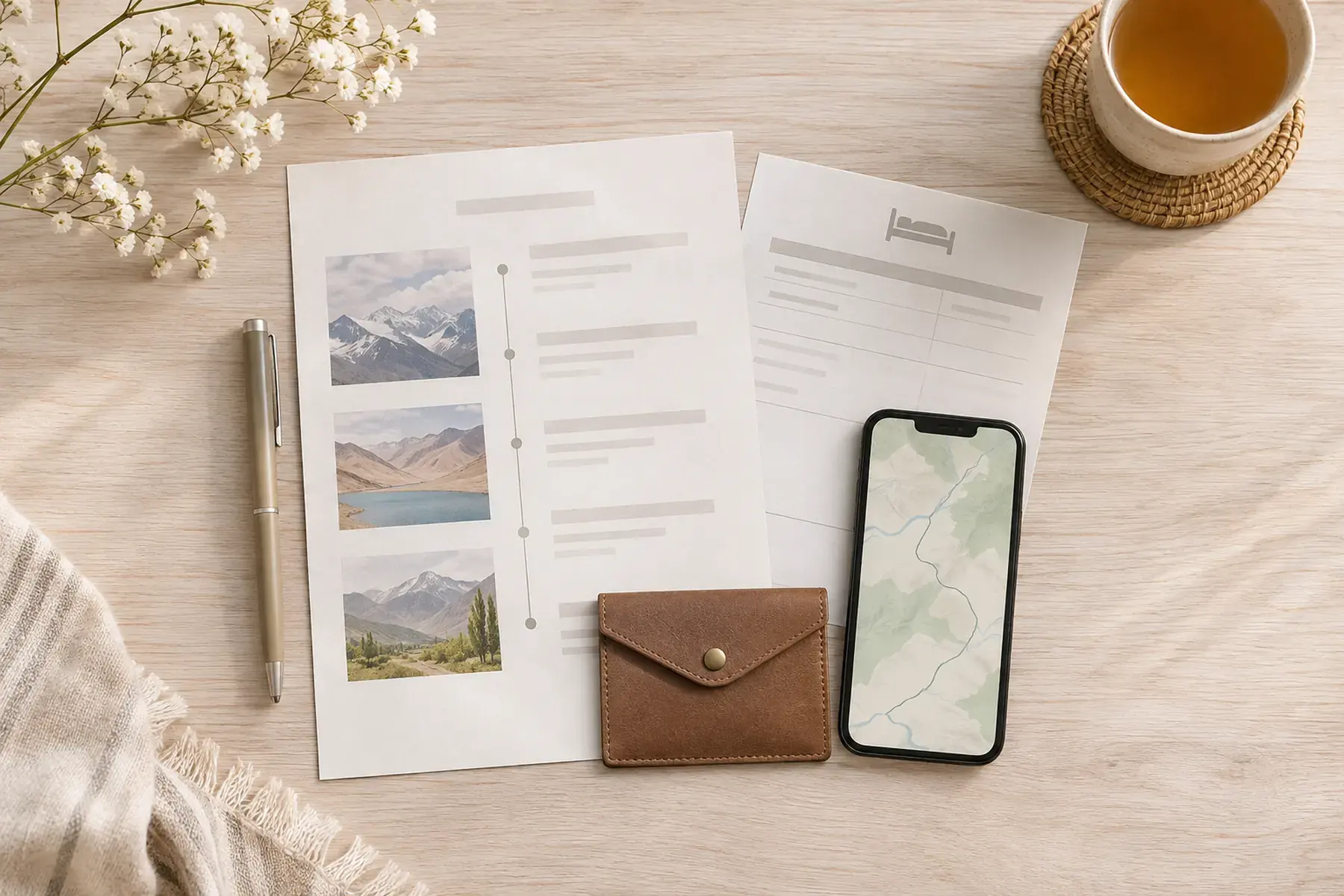 JournalKashmir and Ladakh Permits and ID: What Applies WherePlan what ID to carry in Kashmir, check Leh tourist fees, and see which Ladakh and Gurez routes need a separate permit check before you book.
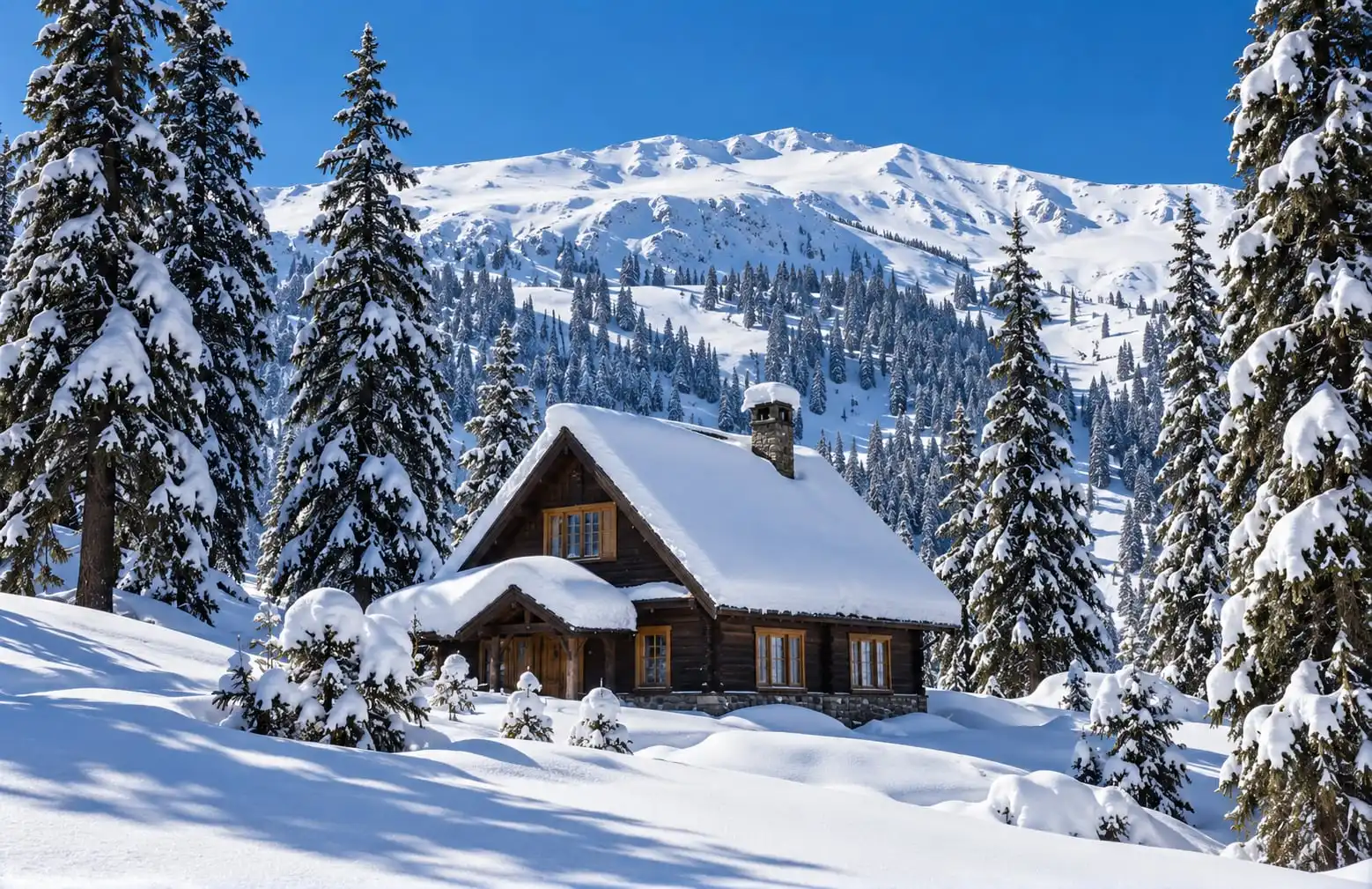 JournalKashmir Honeymoon Guide: Plan a Romantic Trip Step by StepPlan a Kashmir honeymoon around a lake or hill stay, compare four-, six- and ten-day packages, and see a six-day itinerary for two.
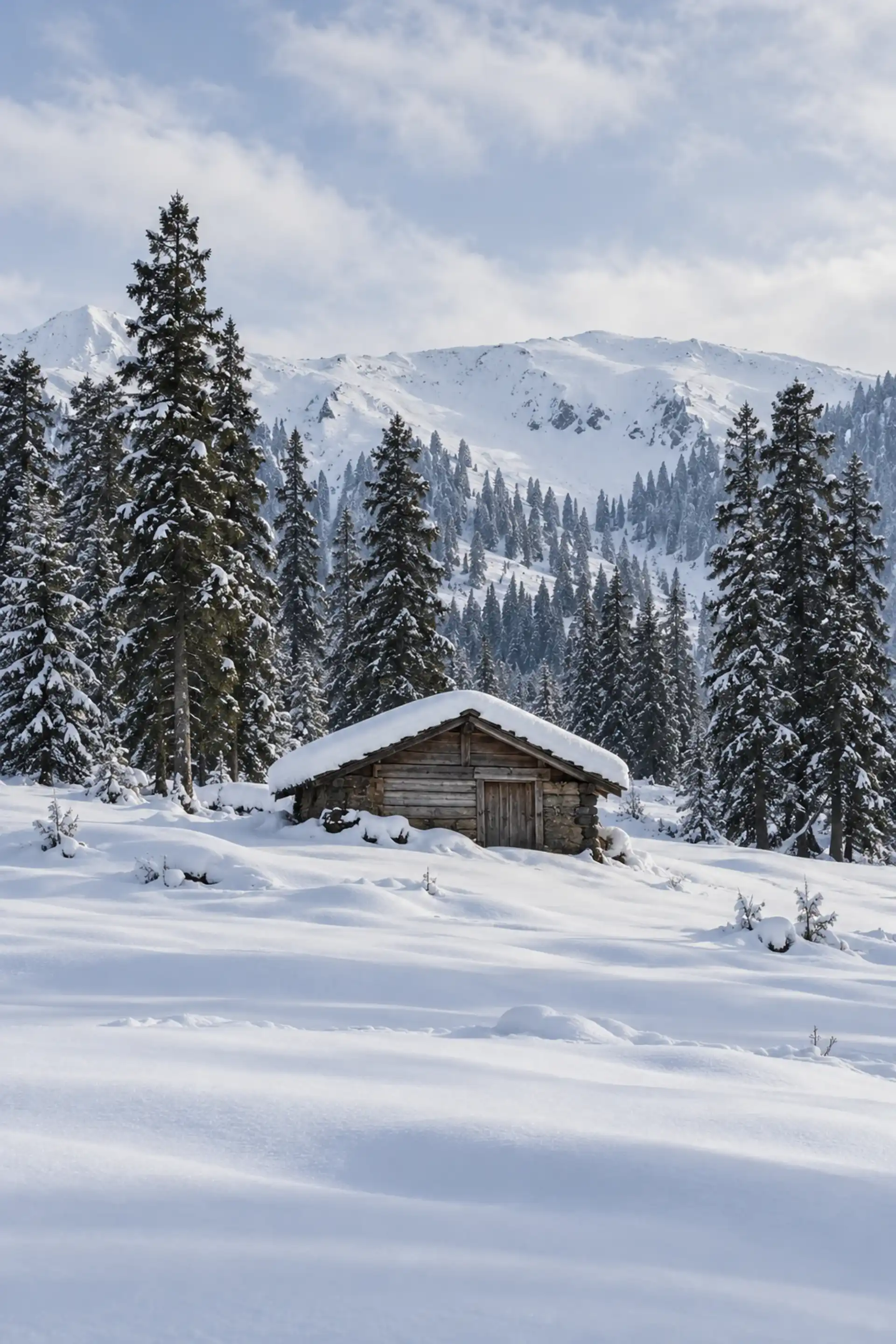 JournalWinter in Kashmir: Gulmarg Snow, Chillai Kalan Cold and Road ChecksPlan a winter Kashmir trip around Gulmarg snow, Chillai Kalan, winter road checks, room heating and possible flight delays.
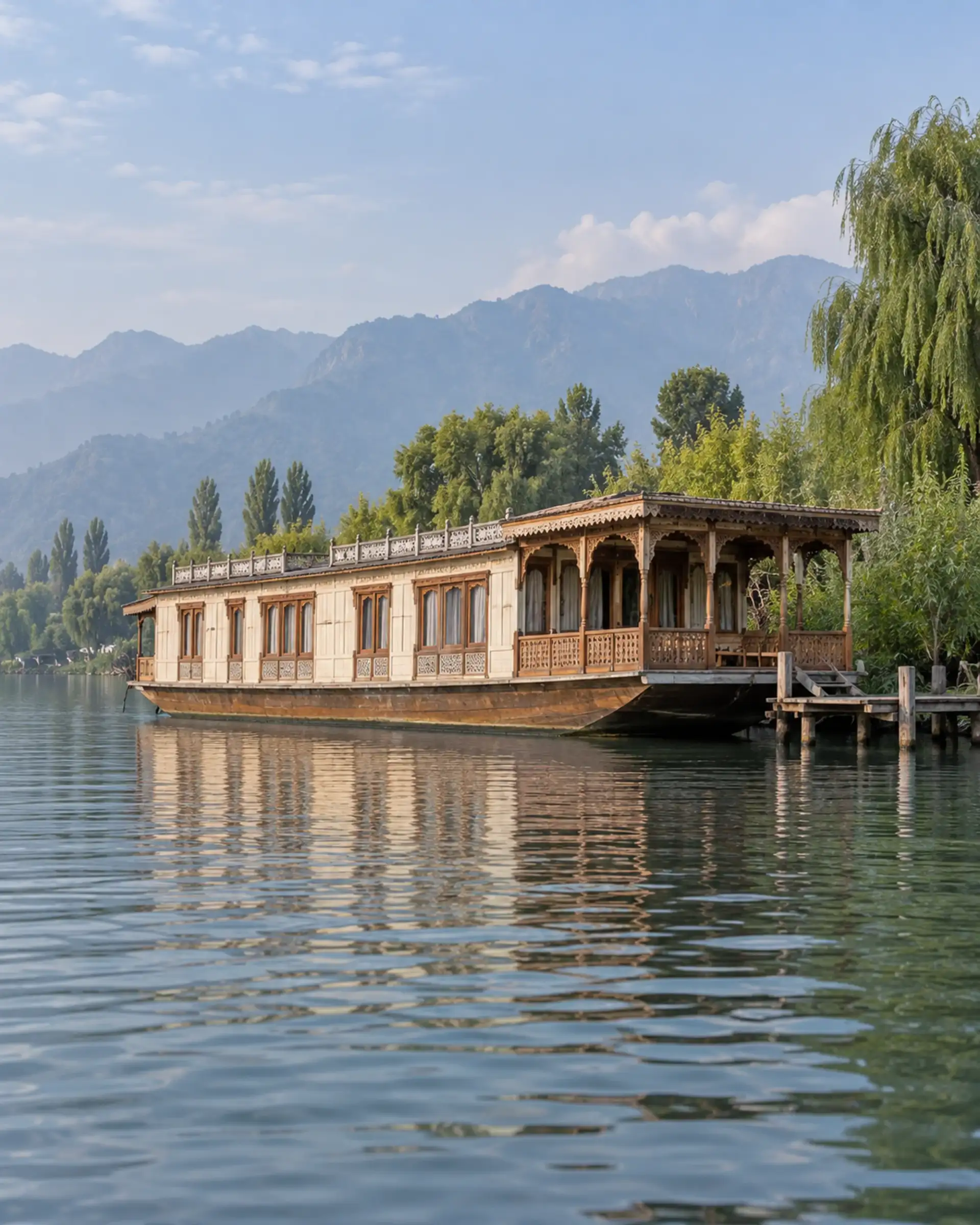 JournalKashmir Packing List by Season: Layers, Snow Kit, Photo ID, RoamingPack for Srinagar, Gulmarg and Pahalgam by season. Check layers, shoes, documents, mobile coverage and what to add for Ladakh.
 JournalKashmir Tour Package Price List: Every Soun Kashmir PackageThe listed price of every Soun Kashmir package: 6 Kashmir trips, 4 Ladakh trips and 7 yatras, with days, route, what is included and what changes the price.
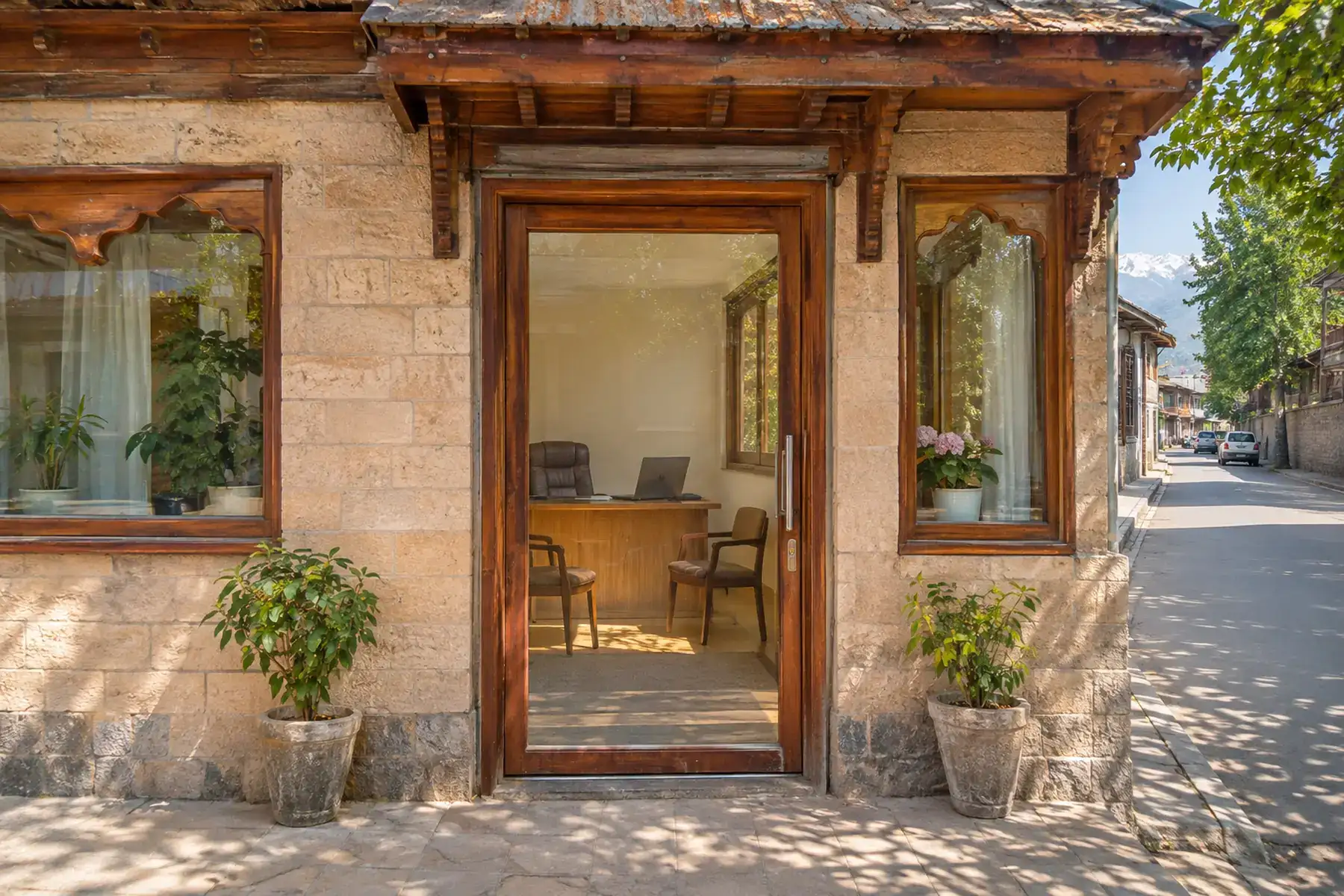 JournalChoosing a Kashmir Travel Agency in Srinagar: Seller, Quote, PaymentCheck who handles your Kashmir booking, what the quote covers and where to report payment problems. Soun Kashmir is based in Barbar Shah, Srinagar.
 JournalWhat a Kashmir Trip Costs: Package Prices, Cab Rates and ExtrasCompare Soun Kashmir’s listed package and cab prices, see which costs to add separately, and check what your written trip quote covers.
 JournalKashmir with Friends: One Plan for the Car, Rooms and BudgetPlan a Kashmir trip with friends by matching seats to luggage, agreeing on room shares and budgeting for both shared outings and individual activities.
 JournalKashmir with Kids: A Family Plan That Leaves Time to RestBuild a Kashmir trip around children's routines, with a flexible five-day plan, a room checklist and practical questions for shikara rides and cabs.
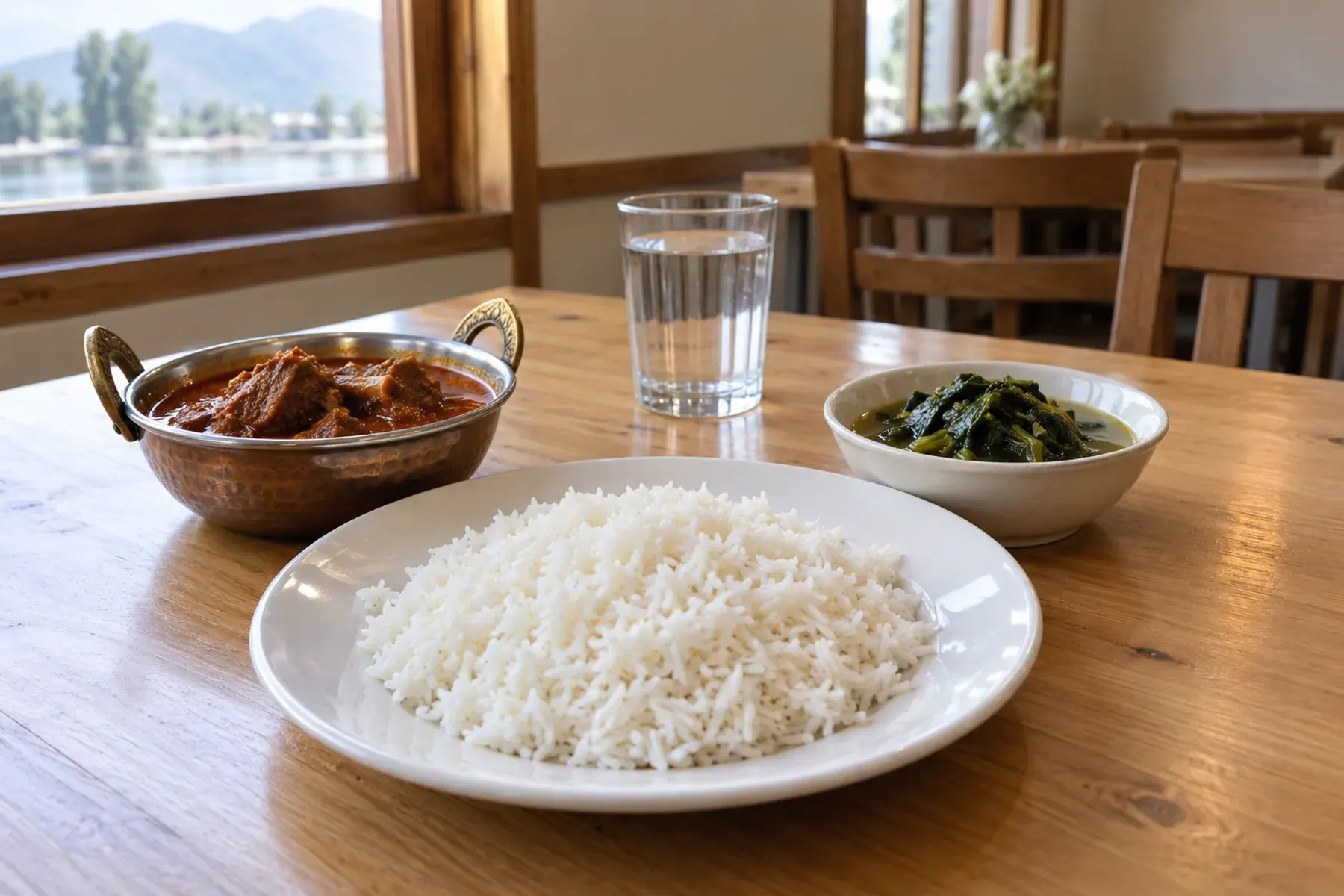 JournalKashmiri Food: Rogan Josh, Haak, Girda, Noon Chai and What to AskChoose dishes from a Kashmiri wazwan or order a smaller meal. See what to try at a bakery, what to drink and how to ask about ingredients.
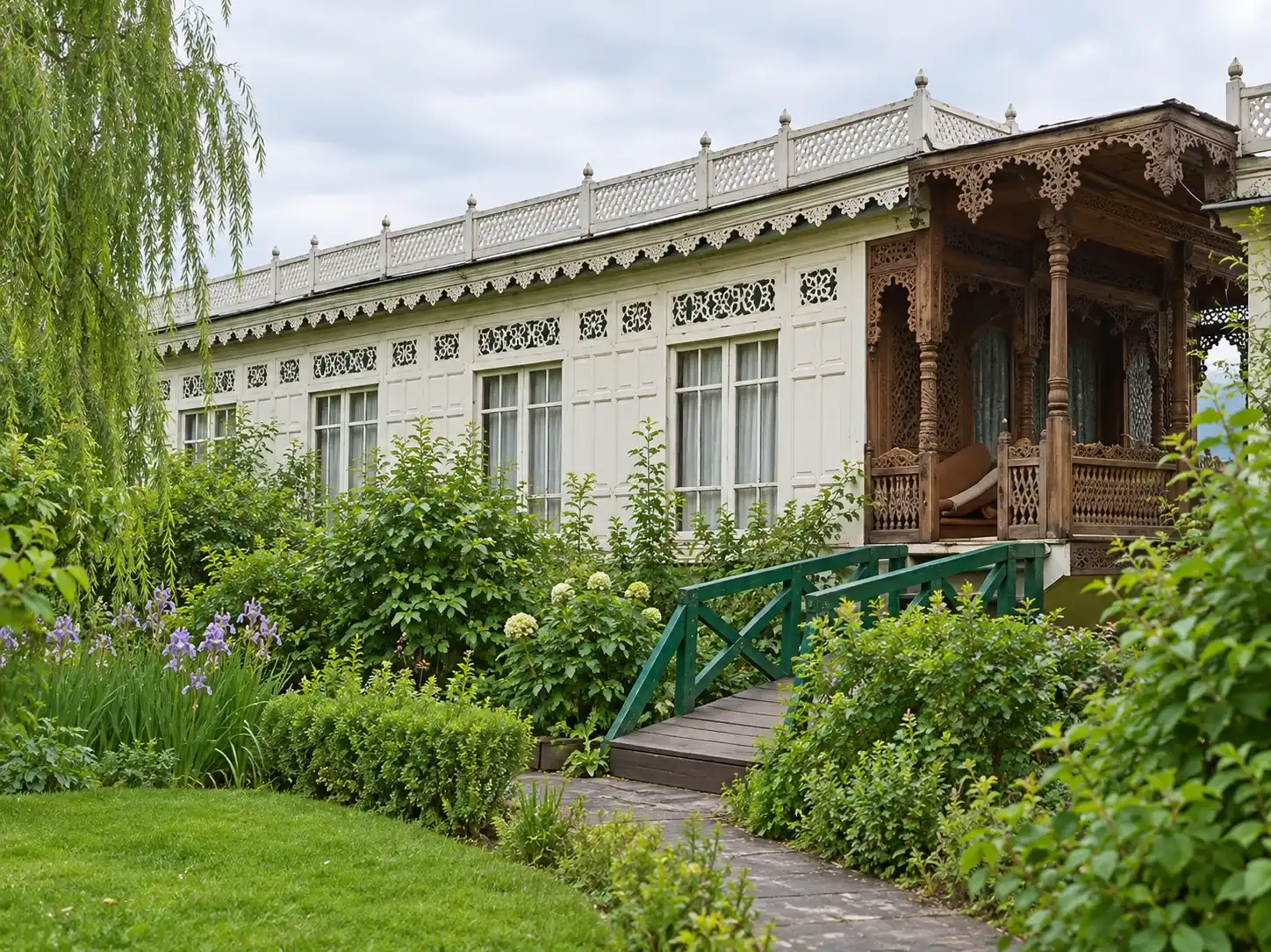 JournalLuxury Hotels in Kashmir: Six Top-End Stays ComparedCompare six Kashmir stays by setting, room layout, meals and winter facilities. Choose between Srinagar, Gulmarg and Pahalgam.
From your city
Travelling from another city?
34 pages explain how a Kashmir trip is planned from the city you start in.
How it works
From first message to the first sunrise on Dal Lake.
Select
Choose a starting route and share your travel dates, group size and arrival point.
Customise
Decide where to sleep and how you want to get around. Ask for the rooms, meals and transfers in a free written quote.
Book
Review the itinerary and payment schedule before you confirm.
Enjoy
Keep your pickup details handy. Reach our Srinagar team by phone or WhatsApp if your plans change on the road.
Frequently asked questions
Questions
Frequently asked questions
Which journal article is useful when the dates are still open?
The seasonal Kashmir guide compares spring gardens, summer valley days, autumn colour and winter snow, making it a useful starting point before you pick dates. Decide what you most want to see before using the calendar. Read a separate destination entry for practical access on the days you choose.
Where should I look to estimate the cost of an entire itinerary?
The trip-cost guide separates land packages and cab estimates from the journey into Kashmir and extras a traveller may buy during the stay. Use the newer price-list material for a package comparison. Keep the number of travel days and people constant when comparing different ways to build the same trip.
How do I find only the articles for planning with children?
The family travel section brings together guidance about children, older relatives and easier overnight bases, with attention to walking, road time and room access. Start with the needs that apply to your party. A general destination article then helps decide which specific outing would be enjoyable at that pace.
What should I read first for a Kashmir honeymoon without a fixed route?
The honeymoon guide starts with the pace and structure of a trip, including time at the lake, a possible hill stay and a flexible sightseeing day. Use it before comparing the packaged routes. Decide together which experience deserves the most time and which one you would swap if conditions change.
What kind of hike or outdoor outing does the journal help me evaluate?
The adventure material is a starting point for comparing outdoor days with different terrain and effort, particularly if one person is new to those activities. Read the dates, approach and equipment notes for the type of outing. If the article describes conditions in a past season, check your actual trip timing separately.
How can the packing article help someone travelling in two different seasons?
The packing guide groups clothes and equipment by conditions, so layers can be selected for the coldest or wettest part of the itinerary. A lake stay, meadow walk and snow day use different shoes and outerwear. Reuse the basic clothing where possible and add only the items each outing needs.
What should I compare between an article’s suggested and published tour routes?
A suggested journal route explains how a traveller might use available days, while a package listing gives a particular sequence and set of inclusions. Compare the overnight locations, starting point and activity sequence. That shows which suggestions can fit the listed trip and which would change the plan.
What makes the journal’s city guides useful before departure?
The city guides deal with the approach to Kashmir rather than just what takes place after reaching Srinagar, so they help factor in the outbound journey. Compare the arrival connections and total time away from home. Then choose which evenings or mornings are still free for the land itinerary.
When should I read the road guidance alongside the season article?
The road guidance is useful when a route depends on a mountain crossing or a longer valley access road, while the season article describes broader experience. Read them together before settling an overnight far from the start. A general note about a season cannot determine the road state on your date.
Which journal entries help me separate a lift ride from sightseeing in Gulmarg?
The Gondola article describes the two lift stages and the practical considerations of boarding, while other Gulmarg material describes a visit to the resort and surrounding area. Start with the specific experience you want. Add travel to and from the station when estimating how much of the day to reserve.
Where can I learn how a Pahalgam stay changes the itinerary?
The Pahalgam travel article covers the road approach, the town and the choice of side-valley visits, making it a useful read before adding an overnight. Compare its stay and local travel sections with a day trip from Srinagar. Decide which local outing needs more time than a return day allows.
How can I use the winter article without assuming every road will be open?
The winter article helps with preparation for cold, snow and flexibility, while road conditions and activity timings still depend on the specific travel day. Choose a town-based alternative for any excursion the group cannot do. Make sure clothing plans still suit the activities that remain on the itinerary.
Which planning articles matter if I will arrive and leave from different cities?
The reaching-Kashmir material and destination routes together help compare a one-way trip with a circuit that returns to the same city. Read each departure and arrival leg separately. Count nights between the two terminals rather than assuming every day of a listed round trip still fits.
How do the journal and destination directory serve different planning needs?
The journal is organised around decisions such as timing, cost or the right amount of driving, while the destination directory begins with the place. Use the journal when comparing ways to travel. Switch to a destination entry when you want to see specific routes and itinerary options for that place.
What do journey-cost examples leave for travellers to calculate themselves?
Sample costs explain how the parts of a trip fit together, but a traveller still needs the actual dates, room split and long-distance transport for a complete total. Add meals or activities that are outside the selected arrangement. Make the comparison on the whole party and the same number of nights.
How can I use articles from different dates on the same topic?
An older article can still help with route structure or packing, while date-specific entries are more relevant to the timing, fares and access they discuss. Read the date attached to the actual guidance rather than relying on the title alone. Check current details when they can affect a confirmed booking.
Which transport reading helps before choosing an airport or rail arrival?
The reach guide compares ways into Kashmir and the city articles add context about where a particular journey begins, which helps before lodging is booked. Compare the terminal transfer and expected arrival time as well as the journey itself. A late arrival may take the first evening out of sightseeing.
Why do I need a separate guide for document or identity questions?
Document requirements can depend on the route, traveller and date, so a dedicated planning article puts those details in one place for the relevant journey. Identify the exact outing and each traveller’s circumstances first. Use the article to see which requirements must be checked before departure.
How do I turn a list of recommended places into a realistic short trip?
Sort the suggested places by overnight base, then choose one priority outing for each full day that remains after reaching and leaving the region. Spend the saved time on the places the group most wants to see. A route is easier to adjust when there are fewer fixed daily commitments.
What should I read before picking a hotel with ageing parents?
The family-travel material helps identify issues such as entrances, stairs and time spent in a vehicle, which can inform the choice of hotel before you book. Read that alongside the relevant destination and stay information. Focus on the walk from drop-off to room and to the places visited most often.
Can I follow one article to plan both a flight and a valley stay?
A single article can explain the general sequence, but a city guide and a destination or room entry answer different parts of the same planning question. Pair the route into Kashmir with the intended nights in the valley. This helps keep terminal transfers, baggage and hotel check-in in the same schedule.
How can two friends reading separate guides agree on the same itinerary?
Each traveller can bring one preferred outing and one flexible choice to a shared day plan, then compare the road time from the chosen room base. Use destination advice to make practical decisions about rest, activities and transfers. Keep the day-by-day plan short enough for both people to check.
Which article details are worth saving for when I am on the road?
The most useful details to save are the specific route, the meeting or boarding location and the information you need when switching between stays or activities. Keep actual booking details separately from general travel suggestions. A short offline note is easier to use at a stop with an unreliable connection.
What should I take from the journal before asking about a personal itinerary?
A useful set of notes includes the season, your desired overnight bases, the outings that matter and any practical advice that applies to your group. Give an actual arrival point and number of nights alongside those preferences. Ask about the parts of the trip where two reasonable options still remain.
How should I use the journal if my visit is already booked?
A booked visitor can use the journal for specific remaining decisions such as clothes, side trips, a lake outing or the transfer from a station. Focus on information that fits the choices already made. Seasonal articles can also help choose a simple alternative for an activity that depends on conditions.
Your question is not here?
Every answer is in the page, and a planner answers the rest in a free custom quote.
Contact
Get in touch with our tour experts.
Send your dates and the places you want to visit. Ask the Srinagar team to compare routes, rooms and transport for your family, couple or group.
- Sathu Bala, Barbar Shah, Srinagar
- +91 99064 48017
- +91 70067 74773
Free custom quote · Step 1 of 2