
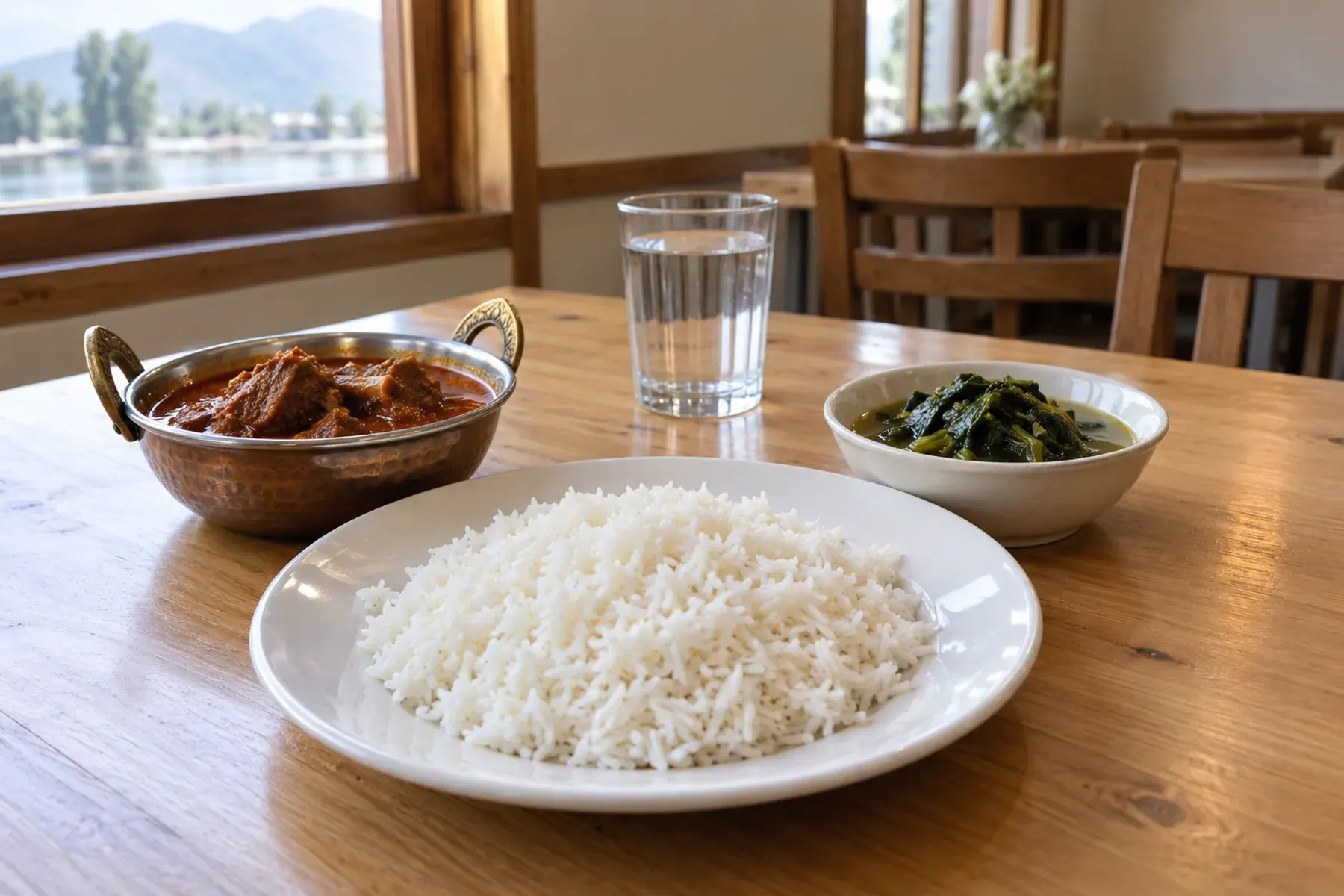
In short
Kashmiri culture is easiest to meet at the table, in the bazaar and in a few quiet shrines. This Soun Kashmir journal covers the wazwan feast, everyday tea and bread, saffron and dry fruit, shawls and woodwork, and the manners that help you be a good guest, with notes on fitting them into your days.
At a glance
- The big feast
- Wazwan, a shared multi-course meal cooked by a master cook and his team, usually for weddings and family occasions
- Everyday drinks
- Kahwa (green tea with saffron, cardamom and almonds) and noon chai (a salted pink milk tea)
- Breads
- Girda, lavasa and other breads from the neighbourhood baker, often eaten with morning tea
- Crafts to look for
- Shawls, knotted carpets, papier-mache, walnut-wood carving and copperware
- Saffron
- Grown near Pampore, which flowers for a short spell in late autumn
- Shrine manners
- Dress modestly, cover your head, take off your shoes and ask about visiting times
- Food rules
- Vegetarian, Jain and no-onion-no-garlic meals: ask each kitchen before you pay
- How we help
- A wazwan, a home-style dinner or a craft stop goes into the plan on request; the quote says what is included
What is this culture and food journal for?
Most people come to Kashmir for the lakes and the snow, and leave talking about the food. This page is the front door to that side of the valley: how a feast is served, what an ordinary day tastes like, which crafts are worth a look and how to behave so that people are glad you came. For a dish-by-dish list, go to our Kashmiri food guide. For the places themselves, start with the Srinagar page.
A word on how we write. These are traveller's notes from Srinagar, kept general and plain, not a history of the valley. Customs differ between families, between villages and between the old city and the new town, so treat each line as a starting point and ask your host or driver how it is done where you are.
Why does a meal say so much about Kashmir?
The valley sits on old trade and pilgrim routes, and its winters are long and cold. Both show on the plate: sun-dried vegetables kept for the snow months, meat cooked slowly with spices, dry fruit and saffron in sweet and savoury dishes, and tea poured all day. Rice is the daily staple, bread comes from the local baker, and almost every dish is cooked to be shared.
Two food traditions sit side by side. Kashmiri Muslim cooking is known for its meat dishes and the wazwan; Kashmiri Pandit cooking leans on yoghurt, dried ginger, fennel and asafoetida, and many family recipes leave out onion and garlic. Visitors are usually served the first kind. If you eat vegetarian, say so early and ask for the second kind of cooking by name.
What is a wazwan and how is it served?
The wazwan is the grand shared feast of Kashmir, cooked for weddings and big family days by a master cook and his helpers. It is a long run of dishes, mostly of meat, brought out in turns rather than all at once. Guests sit on the floor or at low tables in groups of four, and each group shares one large copper platter, which is first loaded with rice and then refilled as the meal goes on.
Before the food arrives a jug and a basin go around so everyone can wash their hands, and people eat with their fingers. Rogan josh, tabak maaz and rista are among the dishes often named, and gushtaba is traditionally one of the last. A family wazwan can run to many courses; a hotel or restaurant version is shorter. If you want to eat one, tell us early and ask what a host or a hotel kitchen can serve on your dates; ask the quote to say what is included.
What do people eat and drink on an ordinary day?
| Time of day | What you will often be offered | Good to know |
|---|---|---|
| Morning | Noon chai, a salted pink milk tea, with a bread such as girda or lavasa from a local baker | A bakery breakfast is simple, filling and best eaten warm |
| Mid-morning and afternoon | Kahwa, a green tea with saffron, cardamom and almonds, often poured from a samovar | Offered on houseboats, in shops and at many homes; refills are normal |
| Lunch | Rice with a vegetable such as haak (a leafy green) or nadru (lotus stem), or with a meat dish | Ask for a milder version if you do not like chilli |
| Evening | Kebabs, a meat curry or a hot soup, then a sweet such as phirni | Eat where the kitchen is busy and the food comes hot |
| Winter mornings | Harissa, a slow-cooked meat and rice dish eaten very early at a few old-city shops | Only in the cold months and not on every menu; ask your driver the day before |
Which crafts and foods make good things to bring home?
Kashmir is known for its handwork, and a visit to a workshop or bazaar is part of the culture, not a break from it. The rule is simple: ask what a thing is made of, who made it and what it costs before you start to bargain, and keep the bill.
| Thing | What to look for | Ask before you buy |
|---|---|---|
| Shawls and stoles | Fine wool, woven or embroidered by hand; some pieces cost a great deal | The fibre, whether it is hand or machine made, and any origin or quality label |
| Carpets | Knotted rugs in wool or silk, sold with a size and a knot count | The material, the knots and how delivery or shipping works |
| Papier-mache and walnut wood | Painted boxes and bowls, carved trays and tables | Clean edges, light weight and how it will be packed for the journey |
| Saffron, almonds, walnuts and dried apricots | Small sealed packs from established shops | Colour and smell of the saffron, a sealed pack, a date and a bill |
| Copperware | Tea pots and serving plates, some of them engraved | Weight, and whether the inside is lined and safe for food |
A shopping stop is optional and goes into the day only if you ask for one. If you would rather skip it, say so, and the hours stay free for the lake.
How should you behave at a shrine, in a home and in a bazaar?
- At a shrine or a mosque, dress modestly, cover your head, take off your shoes and speak softly. Rules for visitors, including for women, differ from place to place, so ask your driver or guide before you go in.
- Avoid visiting at prayer times unless you are invited. Ask for the timings and plan around them.
- In a home, take off your shoes at the door and accept the tea. Say politely when you have had enough, because hosts like to keep serving.
- Ask before you photograph a person, a stall or a family, and do not photograph inside a place of worship unless you are told it is allowed.
- At a shared platter, wash your hands first and take from your own side. Do not leave food unfinished on a shared plate.
- In the old city the lanes are narrow and busy. Keep valuables close and take a guide for the first walk.
How can you fit culture into a short trip?
- Give Srinagar a full day, not an evening. The old city, a bakery breakfast and one shrine fit before lunch, and a shikara ride is a calm way to end the day.
- Sleep one night on a houseboat. The cook, the carved woodwork inside and the tea at sunset are part of the culture.
- Ask for one proper Kashmiri meal, either a wazwan in a hotel or a home-style dinner, and tell us about any food rules in advance.
- Choose one craft stop only, so that shopping does not eat the day.
- Keep a spare hour in each town. The best moments are usually the ones nobody planned.
Where should you read next?
Our Kashmiri food guide lists dishes and tells you what to order. If you are planning the whole trip, start from the Kashmir tour packages or ask for a free custom quote, and say what you would like to taste and see.
Questions and answers
Do I need to book a wazwan in advance?
Yes, give a day or more. Cooks prepare the dishes in bulk and a proper feast cannot be made at short notice. Hotels and hosts can often serve a shorter version, so send us the date and the number of guests, and ask what is possible.
Is Kashmiri food very spicy?
Usually it is rich and aromatic rather than fiery. Fennel, dried ginger, cardamom and saffron do more of the work than chilli. If you want it milder still, ask the kitchen when you order and it can be softened.
Can vegetarians eat well in Kashmir?
Yes. Haak, nadru, dum aloo, rajma and paneer dishes appear on many menus, and Kashmiri Pandit cooking is often vegetarian. Ask each hotel and houseboat kitchen whether it can cook to your rules before you pay.
What should I wear to a shrine or a mosque?
Dress modestly with shoulders and legs covered, carry a scarf or cap for your head, and wear shoes that slip off easily. Visiting rules can differ for women and at prayer times, so ask your driver or guide first.
Is it safe to buy saffron and dry fruit as gifts?
Buy from an established shop, choose sealed packs with a packing date, compare prices at two places and ask for a bill. Very cheap saffron is a warning sign, because real saffron is costly.
What is noon chai and should I try it?
Noon chai is a salted pink tea made with milk, served with fresh bread at breakfast. The salt surprises first-timers, so take a small cup before you decide. Kahwa is the sweeter alternative if you prefer something lighter.
Can you arrange a home meal with a Kashmiri family?
A host or a hotel kitchen can be asked on request, depending on your dates and group size. Ask the quote to say what is arranged and what is not.
Keep exploring
More to read and plan.
 JournalWhat to Eat in Kashmir: A Food Guide from Wazwan to KahwaWhat to eat in Kashmir: the wazwan feast, rogan josh, harissa, kahwa and noon chai, breads and sweets, with what to order, how to eat well and what to ask.Read more
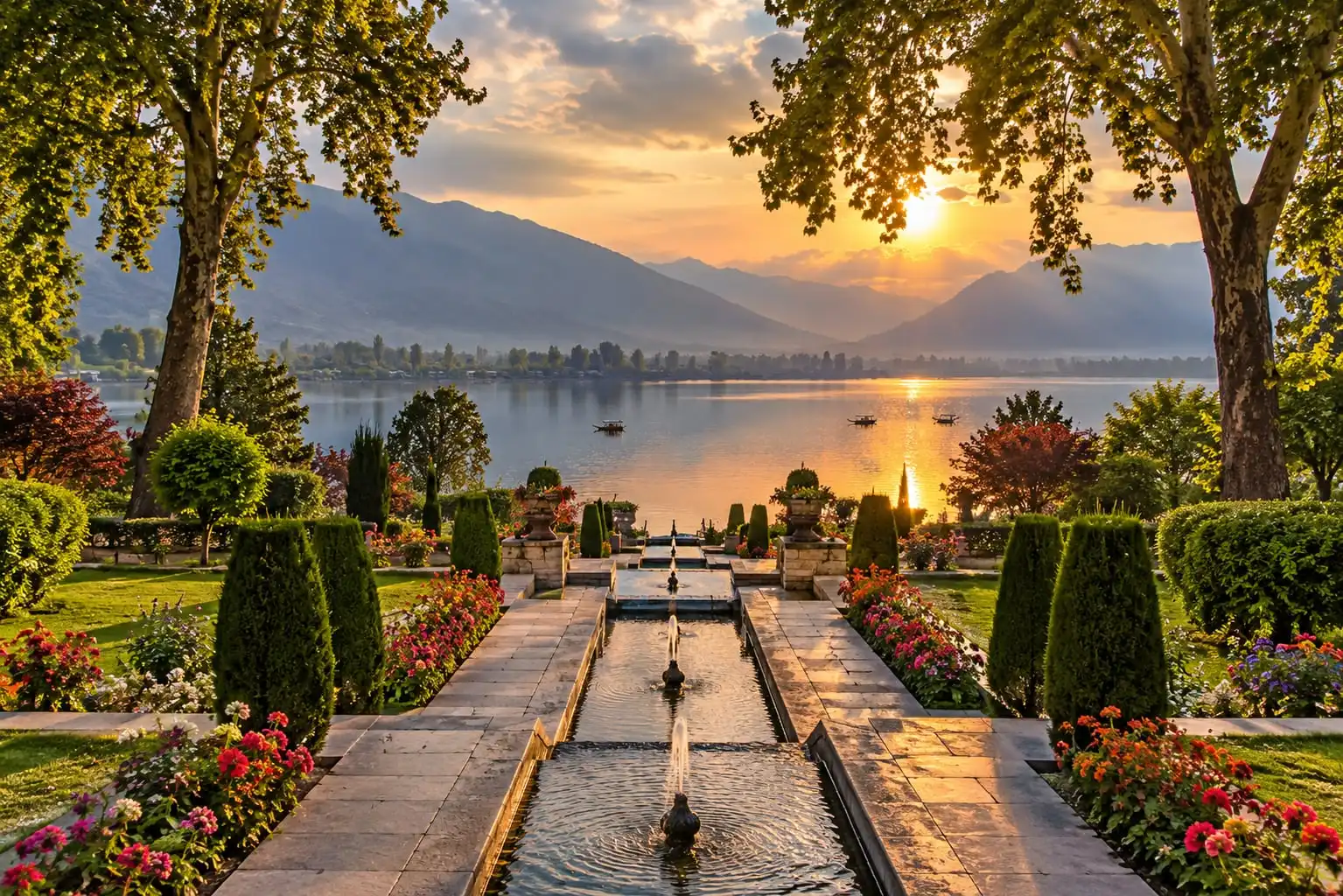 DestinationSrinagarKashmir's summer capital: Dal Lake and its shikaras, houseboats on Dal and Nigeen lakes, the Mughal gardens and the old city.Read more
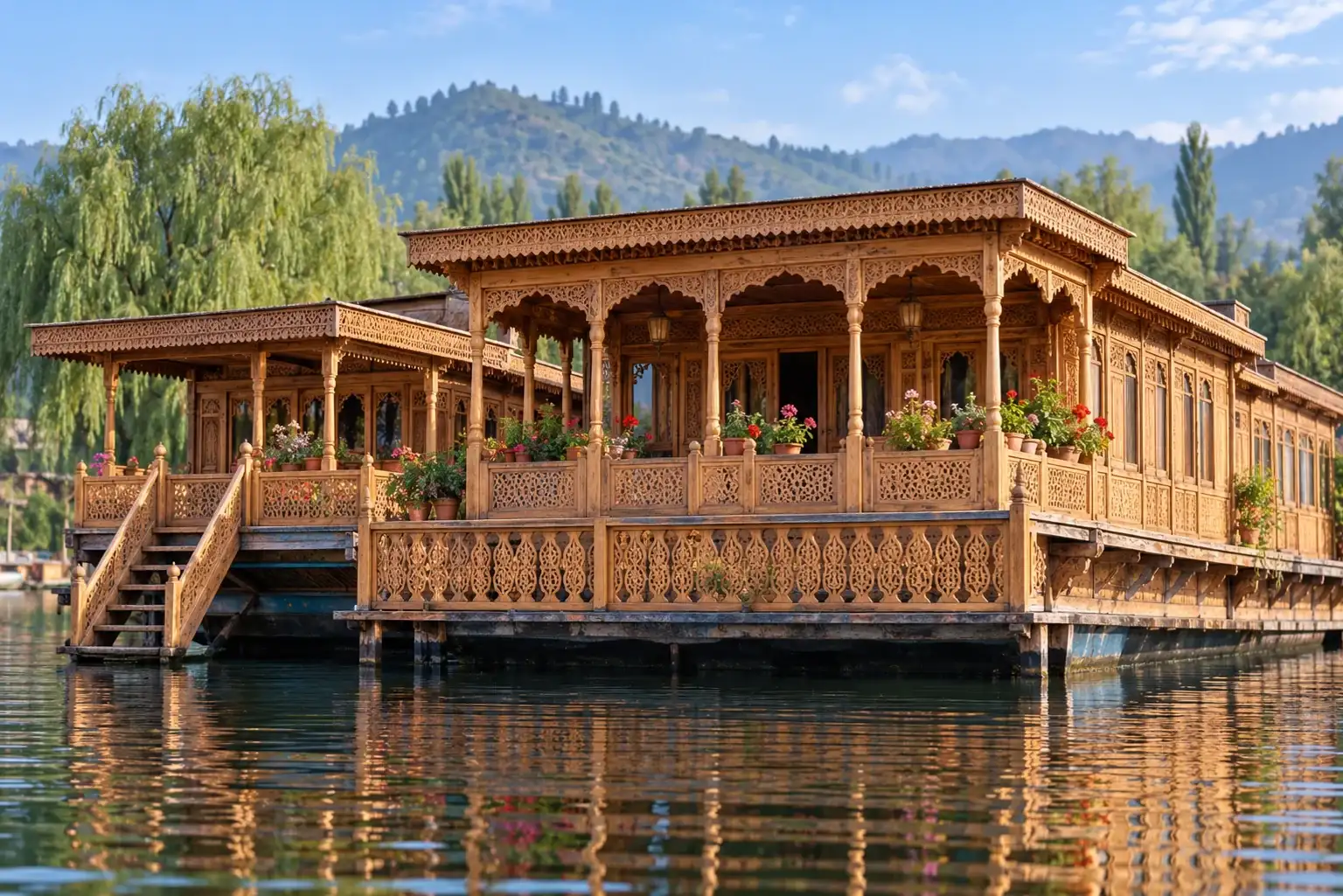 ServiceHouseboats in SrinagarStay on Dal Lake or Nigeen Lake in a Deluxe or Super Deluxe houseboat.Read more
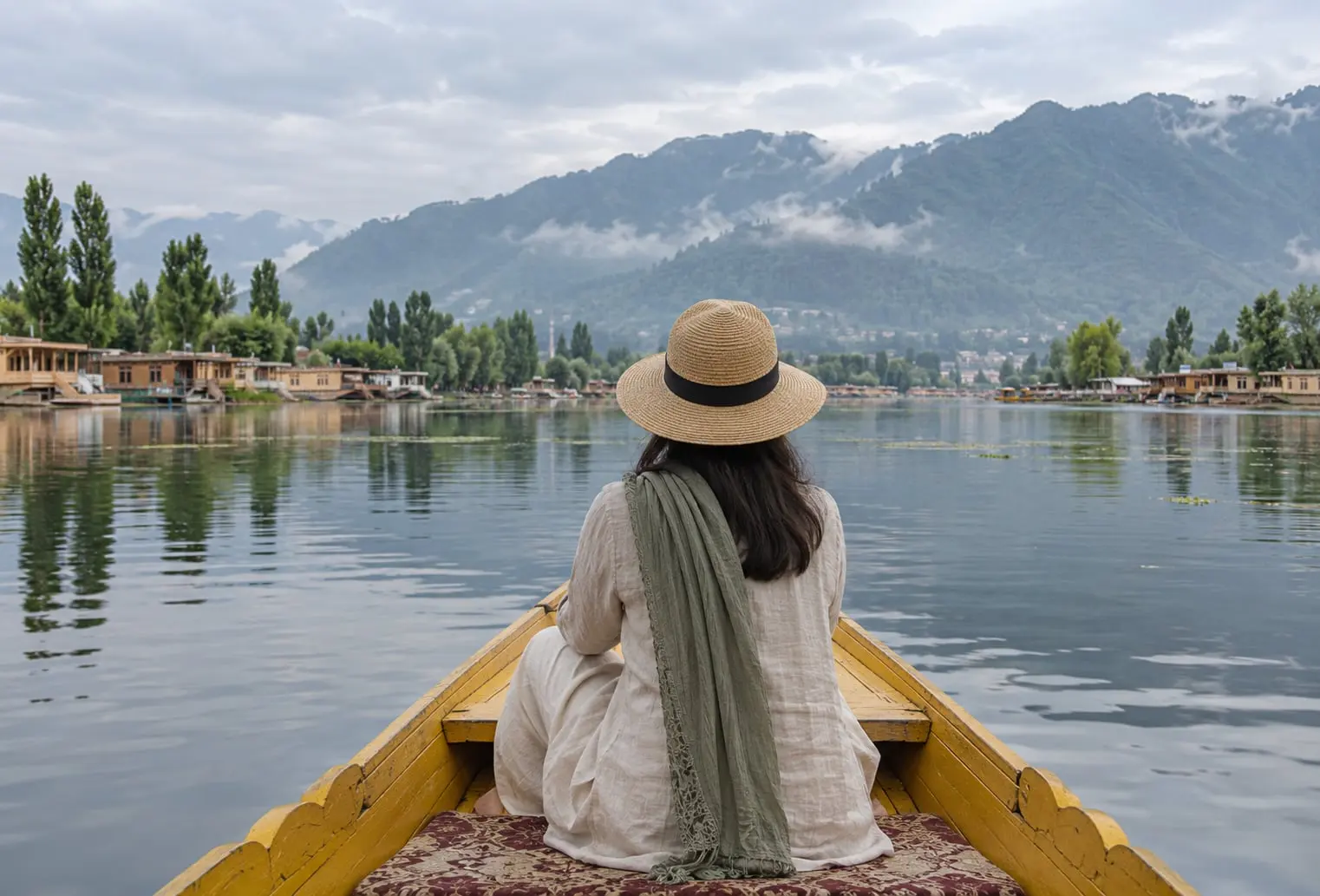 ServiceShikara booking on Dal LakeA shikara ride on Dal Lake at the time of day you choose.Read more
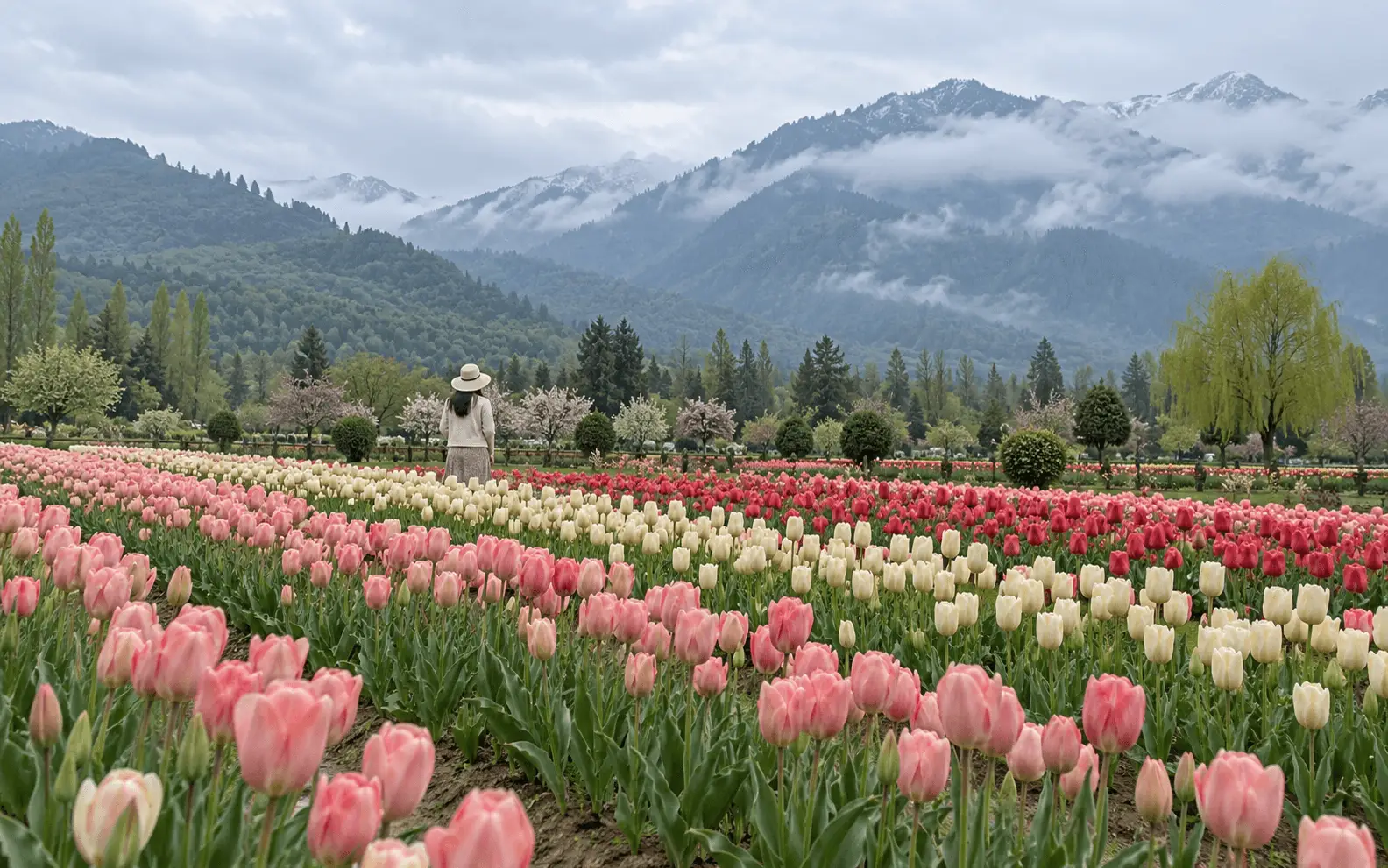 JournalBest Time to Visit Kashmir: A Month-by-Month GuideKashmir weather by month: March is Srinagar's wettest, October its driest, January its coldest. Tulip dates, Gulmarg snow, the Amarnath yatra and the Zoji La.Read more
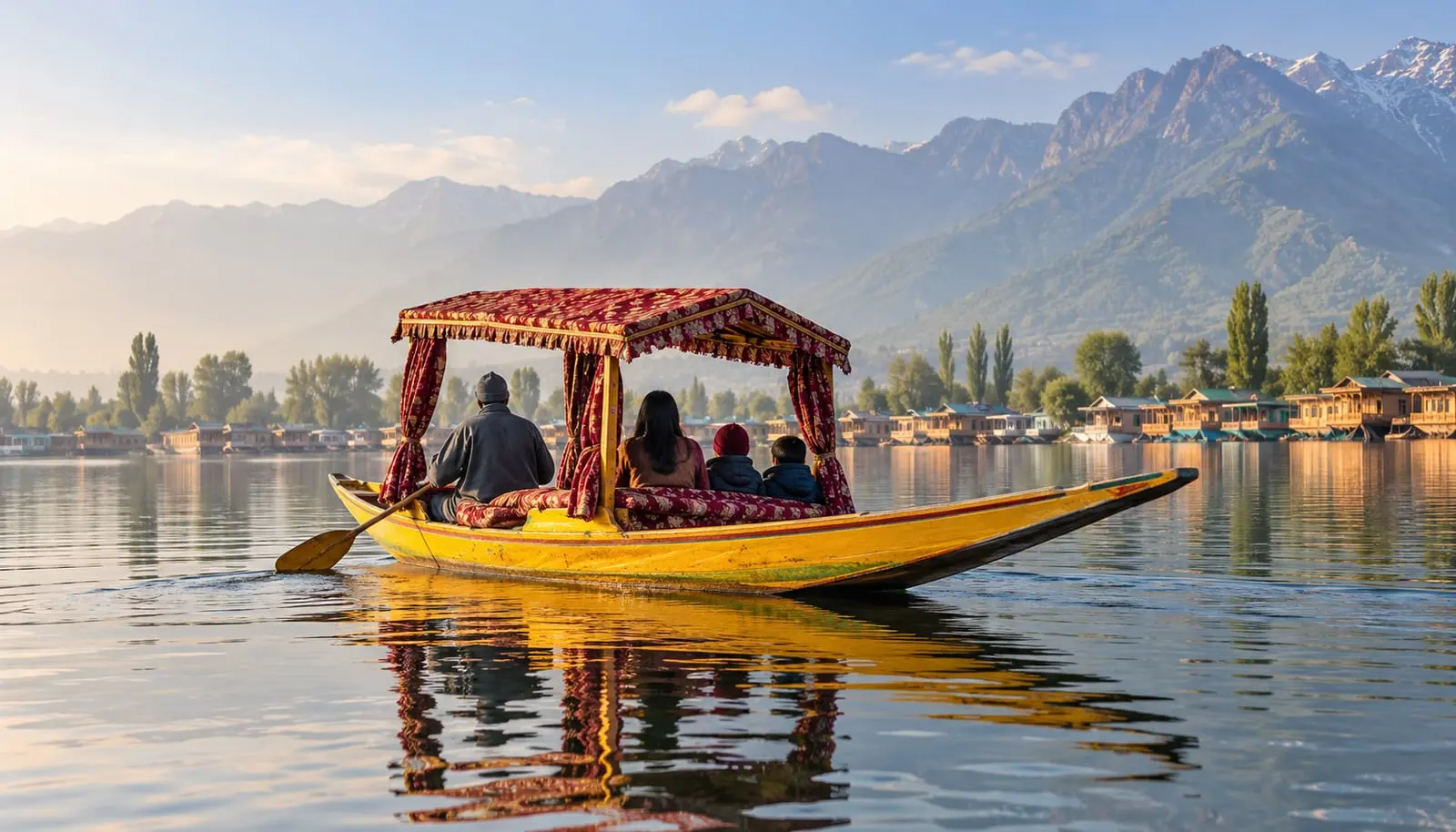 PackagesKashmir Family Tour Packages: Listed Trips and PricesKashmir family tour packages from Soun Kashmir: listed trips for parents, children and grandparents, with cabs, rooms and a free custom quote.Read more
How it works
From first message to the first sunrise on Dal Lake.
Select
Pick a package or tell us the places and the days you have in mind.
Customise
Our planners change the route, the hotels, the houseboat night and the cab to suit your group, and send a free quote.
Book
Confirm the plan and pay as you go: the payment schedule is written in your confirmation.
Enjoy
Travel with a driver-cum-guide, and reach us any hour by phone or WhatsApp.
Contact
Get in touch with our tour experts.
Customised packages for Jammu, Kashmir and Ladakh, with deals for families, couples and groups. Hotels, houseboats and cabs in Kashmir at affordable prices.
- Sathu Bala, Barbar Shah, Srinagar
- +91 99064 48017
- +91 70067 74773
Free custom quote · Step 1 of 2