 Ladakh
Kashmir Ladakh Tour
- Srinagar
- Gulmarg
- Sonmarg
- Kargil
- Leh
- Pangong
- Nubra
- Khardung La
Sightseeing · Hotel · Meals · Cab
Listed₹21,550

Destination
Compare Sarchu with lower overnight stops on the Leh–Manali highway. Check camp facilities, altitude and seasonal road access before booking.
Free custom quote · Step 1 of 2
Enquiring about: Sarchu: Camp Stop on the Leh-Manali Highway
Elevation4,000 mSarchu: Camp Stop on the Leh-Manali Highway
In short
Sarchu is a high camp stop on the seasonal Leh–Manali highway, near the boundary between Ladakh and Himachal Pradesh. Decide whether the route needs a night there or a lower overnight in Lahaul. Check the entire road before booking, then confirm which camps operate and how they handle cold nights.
Updated
At a glance
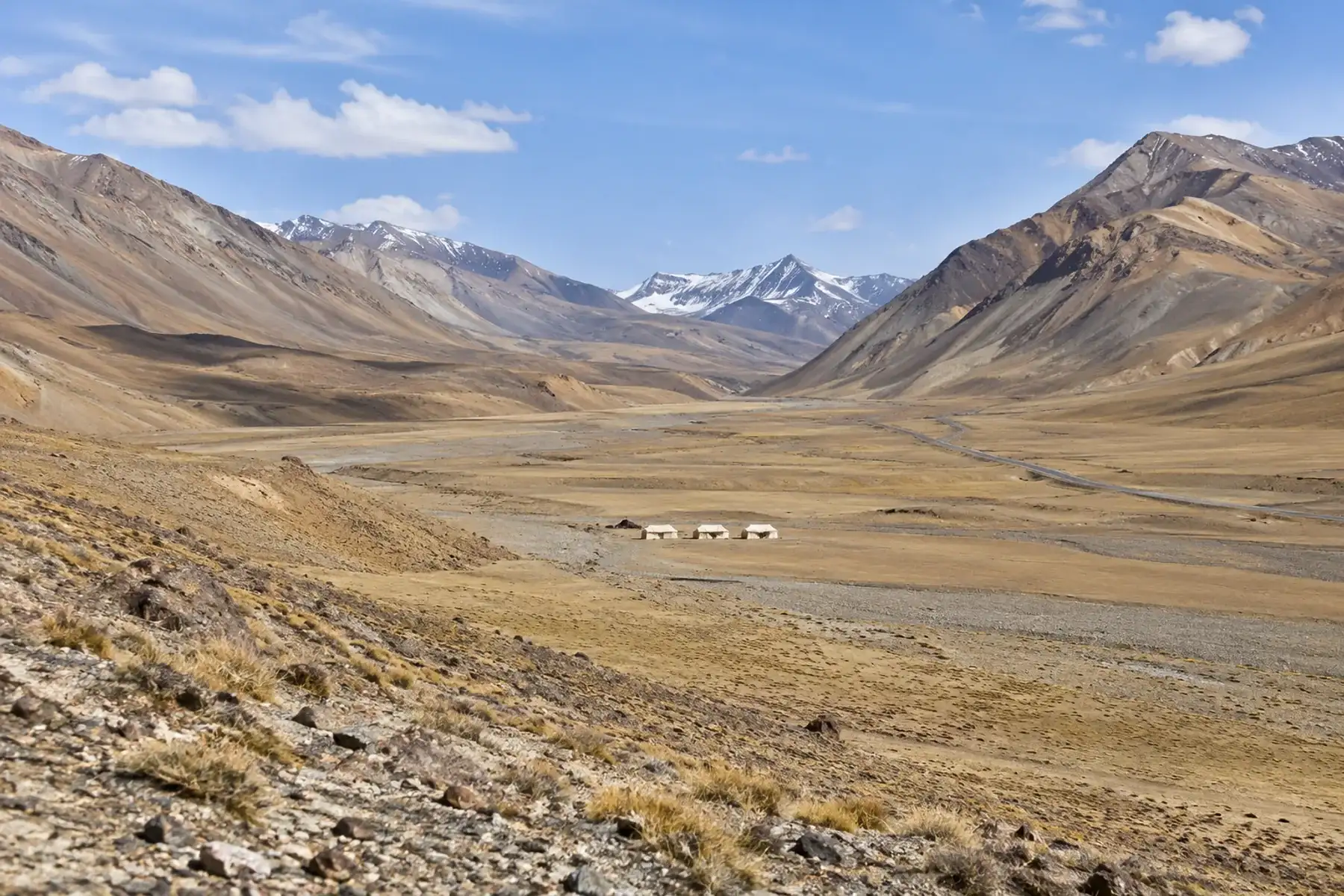
Sarchu is a halt in open high country where the highway crosses from Himachal Pradesh towards Ladakh. It lies between Baralacha La and Lachulung La. The road spends a long time at elevation on either side. A camp here may divide the driving distance, while a room lower in Lahaul changes the altitude of the night itself.
Check the road from the previous room to your next overnight instead of using a single highway distance. The drive from Manali comes through Lahaul and over Baralacha La. On the Ladakh side, the route towards Leh passes Pang and more high terrain. Start with the Ladakh guide before deciding where this stretch fits.
Sarchu was a trading halt on a route across these mountains. The scenery is open and exposed, with little shelter compared with the towns and villages farther down in Lahaul. Even when stopping for photographs, plan where the vehicle can pull off safely and how much time you want to spend out in the wind.
| Overnight area | What it changes | What to confirm |
|---|---|---|
| Keylong | A lower stop in Lahaul before the climb, or after it if coming from Leh | Room and meal arrangements, plus the following day's drive |
| Jispa or Darcha | An alternative on the Lahaul side to compare with Sarchu | Which stay operates and what the next road leg entails |
| Sarchu | A seasonal camp on the high plateau | Whether the sleep elevation suits your group and whether the camp is operating |
| Pang | A higher stop on the Ladakh side | Discuss the altitude and plan a suitable alternative instead of assuming another high night is easier |
A short visit to a pass and a night at elevation have different implications. Above 3,000 m, standard high-altitude guidance recommends increasing sleeping elevation by no more than about 500 m per night. Plan the rise across the whole trip. Ask a clinician about your route if a health condition makes high altitude a concern, and never continue to sleep higher if you have symptoms of altitude illness.
If you arrive in Leh before doing the high road, leave at least 48 hours in Leh for acclimatisation before travelling higher. Consider how everyone in the party has adjusted, including children. If there is any concern, discuss a lower overnight or a different route. Keep prescribed medicines where you can reach them during the drive.
Ask for a written order of the nights with the height of each overnight. A road from Manali can look manageable in kilometres and still put you much higher by bedtime. If a lower room in Lahaul makes the following drive too long, add time to the trip or ask for a different approach. Avoid compressing the schedule just to keep a prepaid camp.
The highway opens and closes around snowfall, clearance and movement orders. A clear approach to Lahaul or an open Atal Tunnel does not establish access over Baralacha La or through Sarchu. Check movement from both directions, including which vehicles can go and when. Keep the return flexible if you have a flight, train or another fixed departure.
Early in the road season, confirm that clearance work has been followed by permission for your vehicle to travel. In summer, ask how rain, traffic or road work affects your departure. Later in the year, check whether the camp has ended its season even if some traffic is still allowed. Ask which room is available lower down if you cannot proceed.
Ask the driver where to take on fuel and water before the remote section. Keep a meal or snack available in the vehicle in case a stop has no service or the day runs long. Carry photo ID and confirmed permits or other paperwork for your particular route. Check any registration or route rules for the people and vehicle travelling.
| Question | What to ask the camp |
|---|---|
| Cold | What bedding and blankets are provided, and whether you need your own warm layer |
| Meals | What is served and whether the host can provide dinner after a delayed arrival |
| Toilets and water | Where the facilities are and how far the walk is from the tent |
| Power and contact | When charging is available and how to reach the camp if phone data fails |
| Arrival and emergencies | Where to meet, what happens if the road closes and where help is available |
Pack a warm hat and gloves, a torch, a charged power bank and a layer you can put on after sunset. Do not assume the camp takes a digital payment or offers reliable data. Carry some cash and save your booking, contact and meeting instructions offline. Confirm the overnight before leaving an area with good reception.
Put evening clothes and medicines in a smaller bag so you can find them without unpacking at the camp. Ask whether the tent is assigned on arrival and how far it is from parking. If you need a toilet at night or a shorter walk to meals, discuss that before choosing the tent. Get the morning pickup time from both the driver and the host.
Our Kashmir Ladakh Tour at ₹21,550 and Incredible Ladakh at ₹24,900 are shown on their respective listed group bases. They do not include a Sarchu night. Use the Ladakh tour collection for standard routes or the Kashmir and Ladakh combination if you want time in both regions. The Srinagar to Ladakh taxi covers the Kashmir approach.
Tell us whether you want to finish in Manali or start from there, how many nights you can give the road and whether anyone wants to avoid a high camp. Ask for both a lower overnight and a Sarchu option if the route allows. Compare the time and elevation before confirming the itinerary.
Packages to start from
Each package is a starting point: we change the route, the days and the hotels to suit you.
LadakhSightseeing · Hotel · Meals · Cab
Listed₹21,550
 Kashmir
Listed₹13,250
 Jammu & Kashmir
Sightseeing · Hotel · Meals · Cab
Listed₹18,350
Questions
Sarchu is a high plateau stop near the Ladakh and Himachal Pradesh boundary, between Baralacha La and Lachulung La on the road linking Leh and Manali. The Manali approach reaches it after Lahaul and the Baralacha La crossing. Towards Leh, the route passes Pang and continues through more high country.
Sarchu's camps and the high highway operate seasonally, with snow, clearance and traffic instructions affecting the road and the camp operator setting the lodging dates. A camp booking does not establish that the full route is usable. Check both separately for your dates and keep a lower overnight in mind if one is unavailable.
A Sarchu night puts you above 4,000 m, so the group's earlier sleeping elevations and experience at altitude matter more than splitting the drive into equal parts. A room lower in Lahaul changes where you spend the night. Anyone with a health concern should discuss the planned elevations and route with a clinician before the trip.
The Atal Tunnel provides one part of the Manali approach to Lahaul, while the highway towards Sarchu still depends on separate high-pass access and movement instructions. A clear road as far as the tunnel cannot tell you whether the onward pass is usable. Confirm the entire route for the vehicle you will take.
A digital payment at Sarchu depends on both the camp's payment arrangements and the connection there at the time you reach the high plateau. Find out what the host accepts before leaving a well-connected area. Carry enough cash for the agreed amount and keep the booking details and any payment receipt offline.
Warm layers, a hat and gloves help after sunset at Sarchu, and a torch and charged power bank are useful around a tent at night. What else you need depends on the bedding, drinking water and meals the camp provides. Keep medicines and evening clothes near the top of the bag you take into the tent.
Sarchu is a custom highway itinerary option, while the listed Kashmir Ladakh Tour and Incredible Ladakh packages do not include a stay at the camp stop. Your direction and nights available decide how the plateau fits. Compare it with a lower alternative if anyone in the party wants to avoid sleeping so high.
Keylong gives the group a lower room in Lahaul, while a Sarchu camp places the overnight on the exposed high plateau and splits the road differently. Work out how the lower stop changes the next day's drive in your direction. The room, meals and pickup time still need to match the chosen route.
Jispa and Darcha give you alternatives on the Lahaul side when the drive would be easier to plan around a lower overnight than a high camp. Compare the usable accommodation and the following road leg from each place. A stop works only if the next stretch leaves enough time for the drive and breaks you need.
Leh should have time set aside for acclimatisation before an itinerary adds higher road sections and a Sarchu night on the way south towards Manali. The next decision is whether the group feels ready for the planned sleeping elevation. Keep a lower alternative in the route discussion if anyone is struggling to adjust.
Pang lies on the Ladakh side beyond Sarchu and is a higher stop, so replacing a Sarchu camp there does not lower the planned sleep elevation. Compare overnight heights before changing the booking, especially when travelling from Manali. A room back in Lahaul or a route with an extra day changes the decision more substantially.
A pass crossing exposes travellers to high elevation for part of the day, while a Sarchu camp extends that exposure through the evening and the whole night. Review the overnight heights across the trip, not just the maximum height on the road. A longer drive with a lower sleep stop changes the overnight exposure.
Snow clearance makes way for the road to reopen, but early-season travel still depends on whether traffic is authorised for your vehicle and intended direction. Ask about the full crossing rather than the cleared approach from town. Settle that before committing a camp night that would be hard to move.
The camp season can end separately from highway movement, so some traffic may be allowed even when the accommodation you planned to use is no longer operating. Check the hosts for the actual night and the authorities for that day's road. Work out which lower room fits if you can cross the next day instead.
A remote drive towards Sarchu benefits from fuel, drinking water and a spare meal arranged before the higher stretch, especially if the day runs behind schedule. Ask where your driver expects to refuel for the actual route. Keep snacks and regular medicines within reach rather than under the bags packed for the camp.
A late camp arrival makes meal timing and the walk from parking to the tent more important than on a day when you settle in before dark. Ask the host where to meet and whether food can be available after a delay. Have a torch and warm layer ready before stepping out of the vehicle.
The distance from the assigned tent to the toilets matters at Sarchu because a short walk in daylight can feel longer in wind or darkness. Ask whether the path has lighting and if the camp can name a tent near the facilities. Keep a light and warm shoes ready by the bedding.
Charging depends on the camp's power setup and operating hours, so an overnight is easier when your own phone and power bank have charge on arrival. Ask where and when a socket can be used, particularly if you leave early. Save the route and camp contact before you need the device to work without a signal.
The exposed plateau can be windy and has little shelter, so a photo pause works best where the driver can use an authorised stopping area off the highway. Decide how long you want to be outdoors before opening the vehicle doors. Leave time in the day's drive for the next pass or overnight.
Sarchu served as a trading halt in the high mountains, and today it sits between longer highway approaches on the Manali and Leh sides of the plateau. The location makes sense as a pause in the crossing. Its open setting also explains why some groups prefer a lower village for the night itself.
An overnight bag can make a one-night Sarchu stay easier when the distance from parking to the assigned tent varies with the camp layout. Keep evening clothes and medicines in it. Confirm where the driver can stop and how larger cases can be kept if you only want to carry the small bag.
Summer rain can slow the approach or change movement on a long travel day, which can put the planned dinner or arrival at camp later than expected. Confirm the intended direction before setting out and let your host know if the day changes. Keep a lower backup rather than making a rushed drive to protect a reservation.
A fixed flight after the high road is easier to plan when it has a separate departure day, because weather and traffic can change the timing of the crossing. Keep a buffer before an onward journey that is hard to move. A lower stop may also add time when you decide against the Sarchu night.
The paperwork for the Sarchu route depends on the people, vehicle and actual road segments you intend to use, including any applicable registration or permit requirements. Keep identification and any confirmed papers accessible without using a phone signal. If you add a different exit or additional stop, check whether that changes what you need.
A high camp's meeting point and local emergency arrangements matter because the plateau is remote and the way back to a lower town is part of the road plan. Ask the host and driver how to contact them and where help is available. Keep that information with your accommodation details and usual medicines.

Your question is not here?
Every answer is in the page, and a planner answers the rest in a free custom quote.
Keep exploring
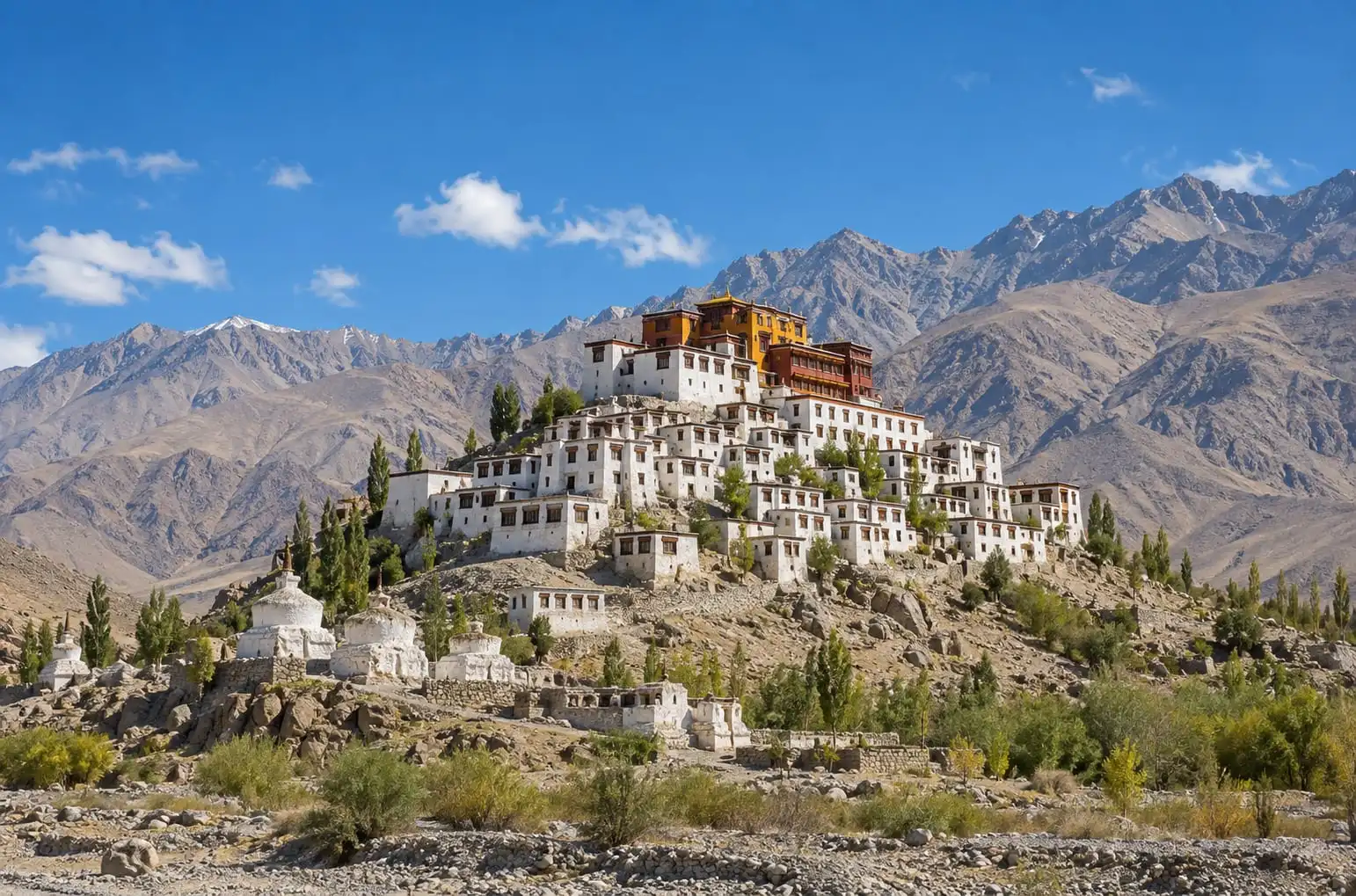 DestinationStart in Leh, Then Choose Your Ladakh Road ItineraryPlan a Ladakh trip with 48 hours to adjust in Leh, seasonal road checks, route-specific permits and Soun Kashmir's four listed tours.
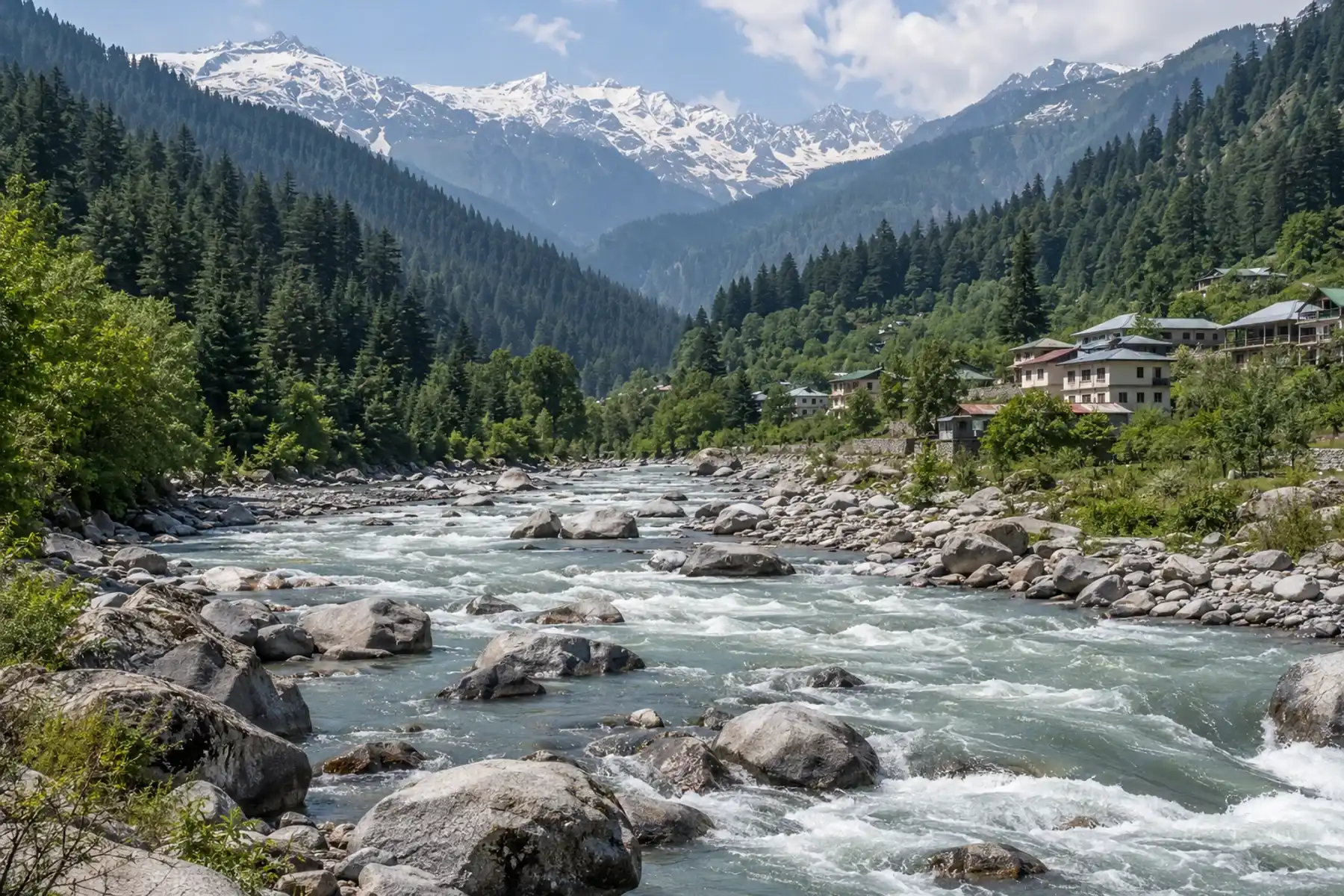 DestinationManali and the Leh HighwayFinish a Ladakh road trip in Manali. Check the high road, plan an overnight by the Beas and choose between town, Solang and Naggar.
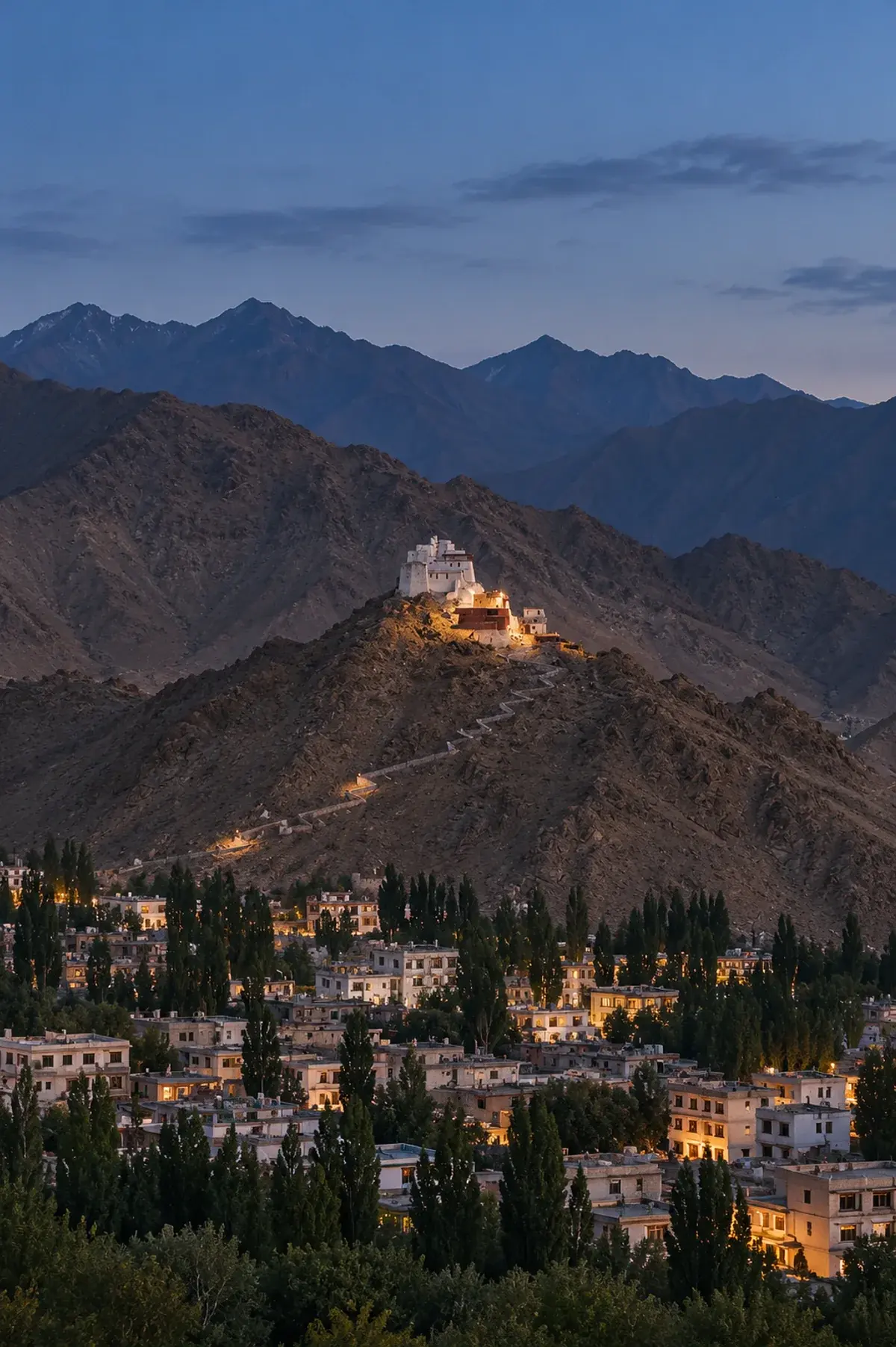 DestinationLehBuild your Ladakh trip around time in Leh, where you can visit the old town, palace and markets before travelling to Nubra or Pangong.
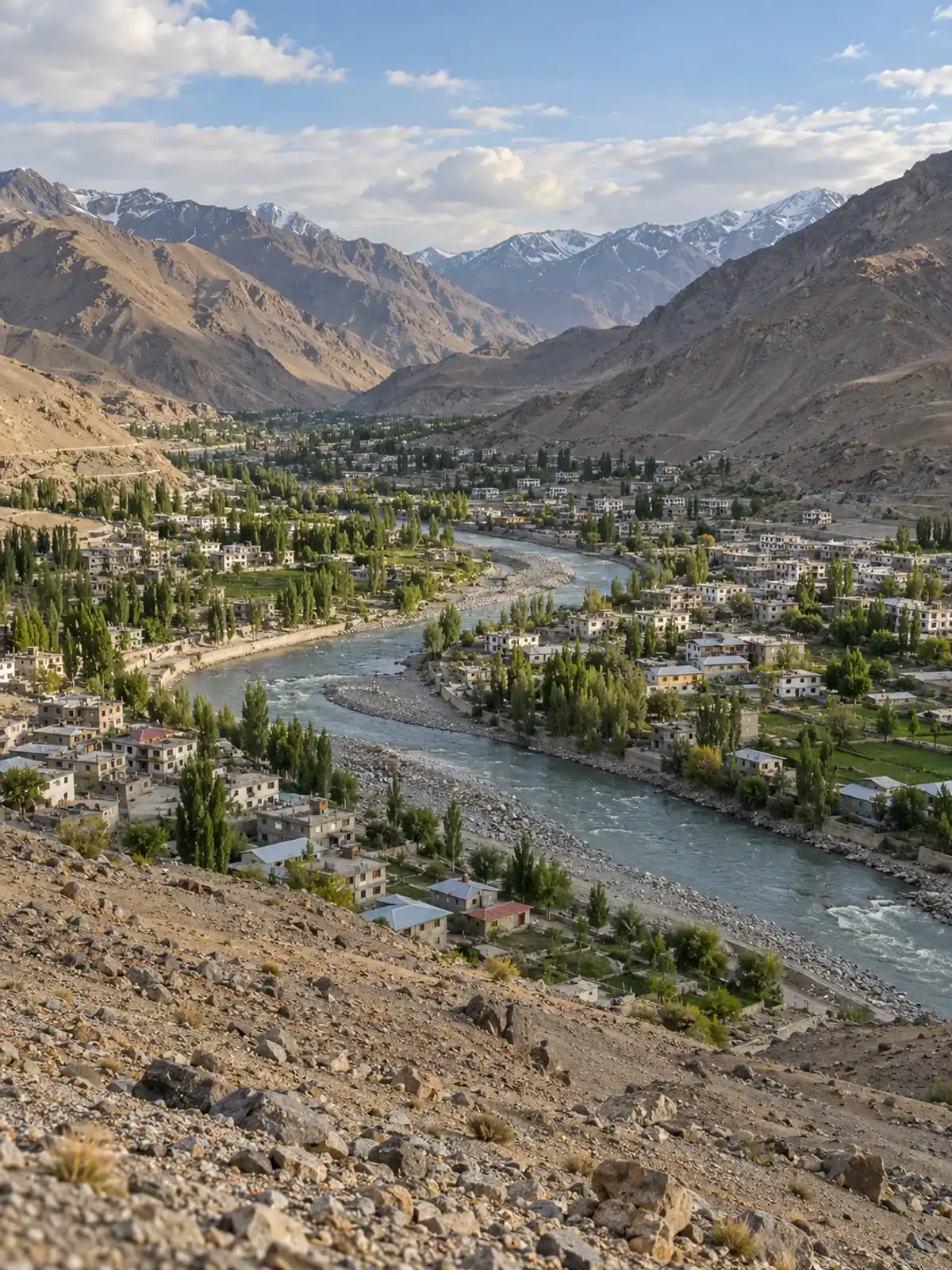 DestinationWhere a Kargil Overnight Fits Between Srinagar and LehPlan a Kargil overnight between Srinagar and Leh. Check Zoji La, time for the Dras memorial, room arrangements and the onward road to Ladakh.
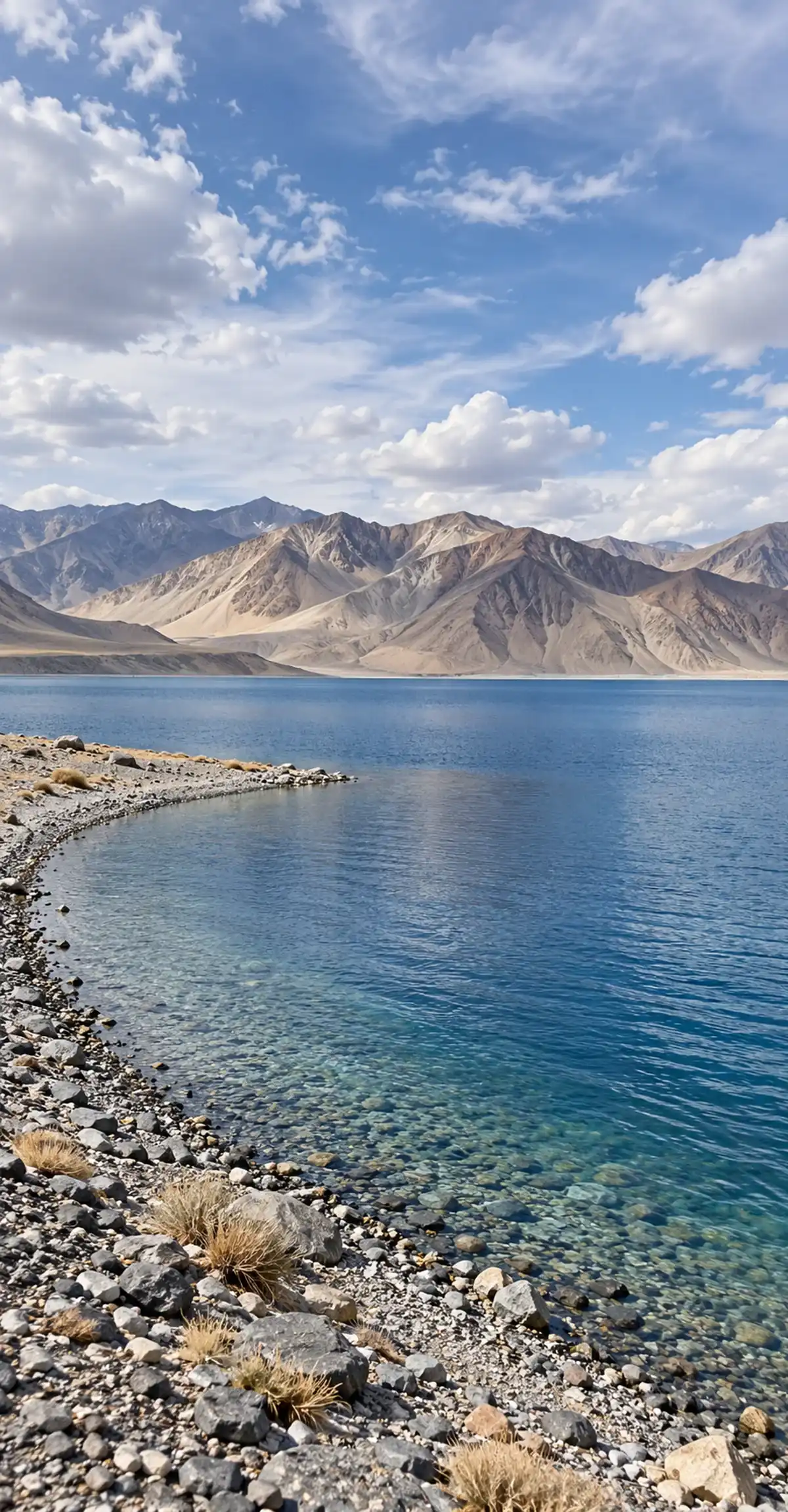 DestinationPangongPangong Tso is a high-altitude lake reached by road from Leh or Nubra. Compare a daytime visit with an overnight stay before choosing the route.
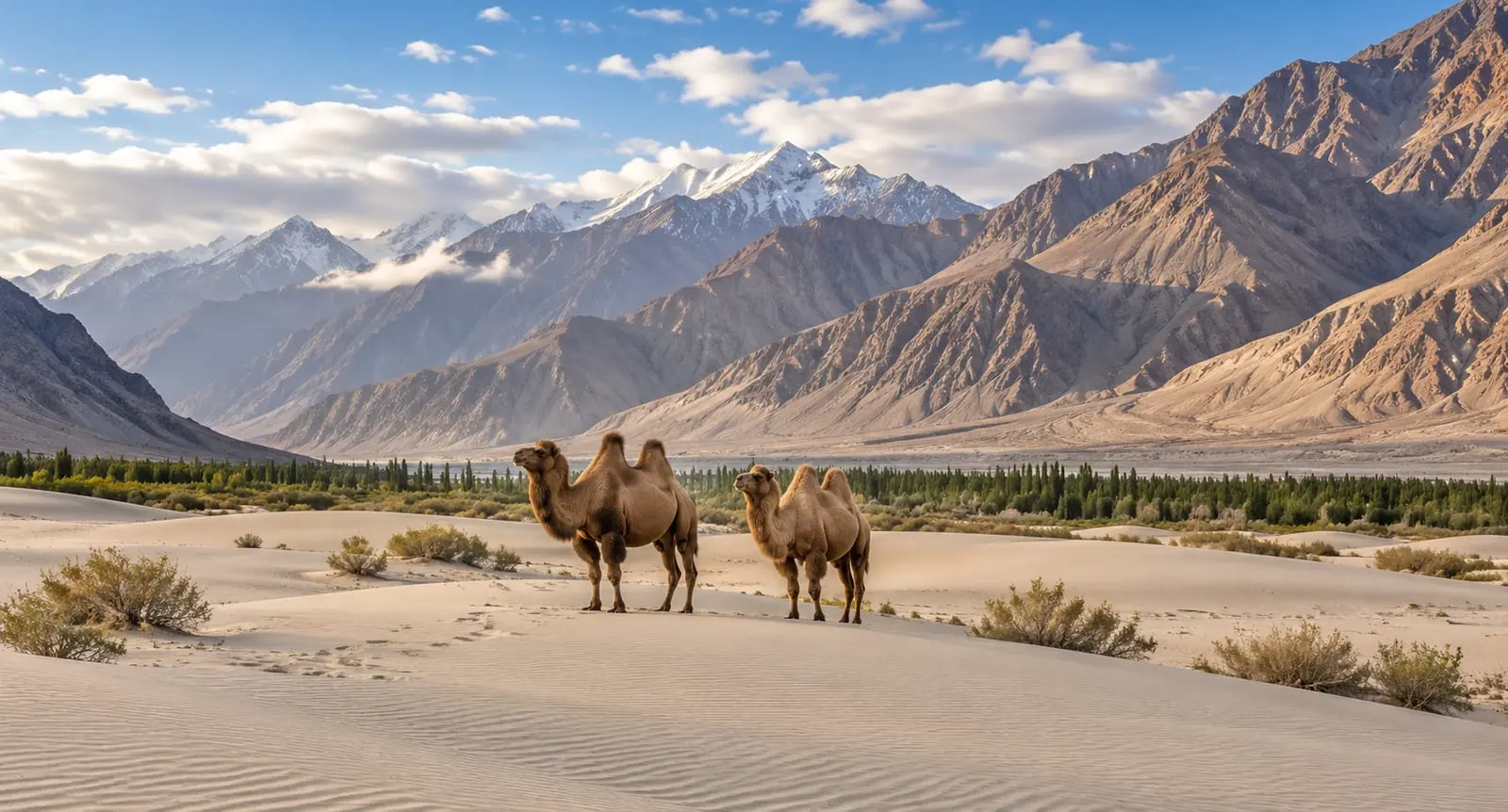 DestinationNubra ValleyPlan Nubra Valley around Diskit monastery, the dunes at Hunder and your chosen overnight stop after the drive from Leh.
How it works
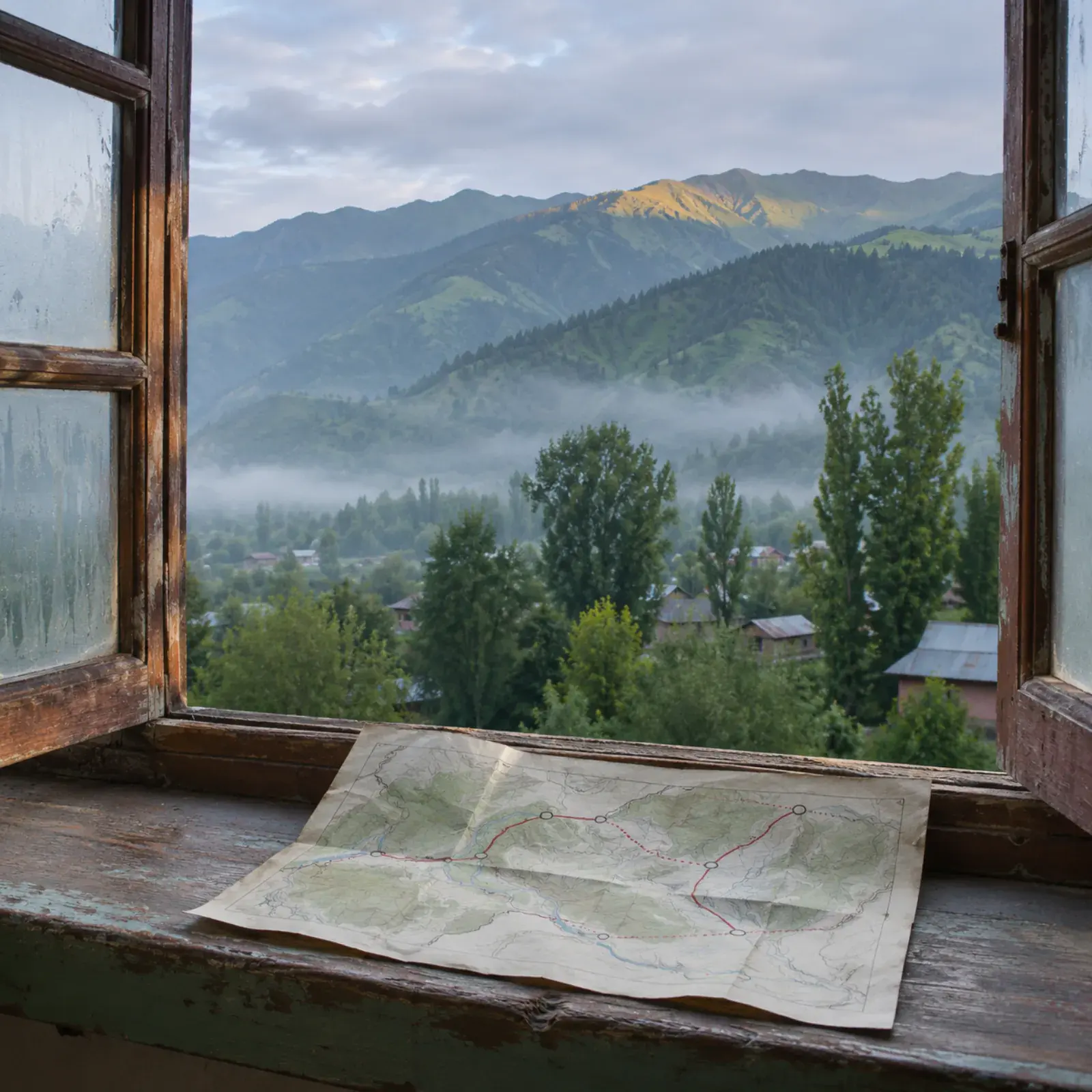
Choose a starting route and share your travel dates, group size and arrival point.
Decide where to sleep and how you want to get around. Ask for the rooms, meals and transfers in a free written quote.
Review the itinerary and payment schedule before you confirm.
Keep your pickup details handy. Reach our Srinagar team by phone or WhatsApp if your plans change on the road.
Contact
Send your dates and the places you want to visit. Ask the Srinagar team to compare routes, rooms and transport for your family, couple or group.
Free custom quote · Step 1 of 2