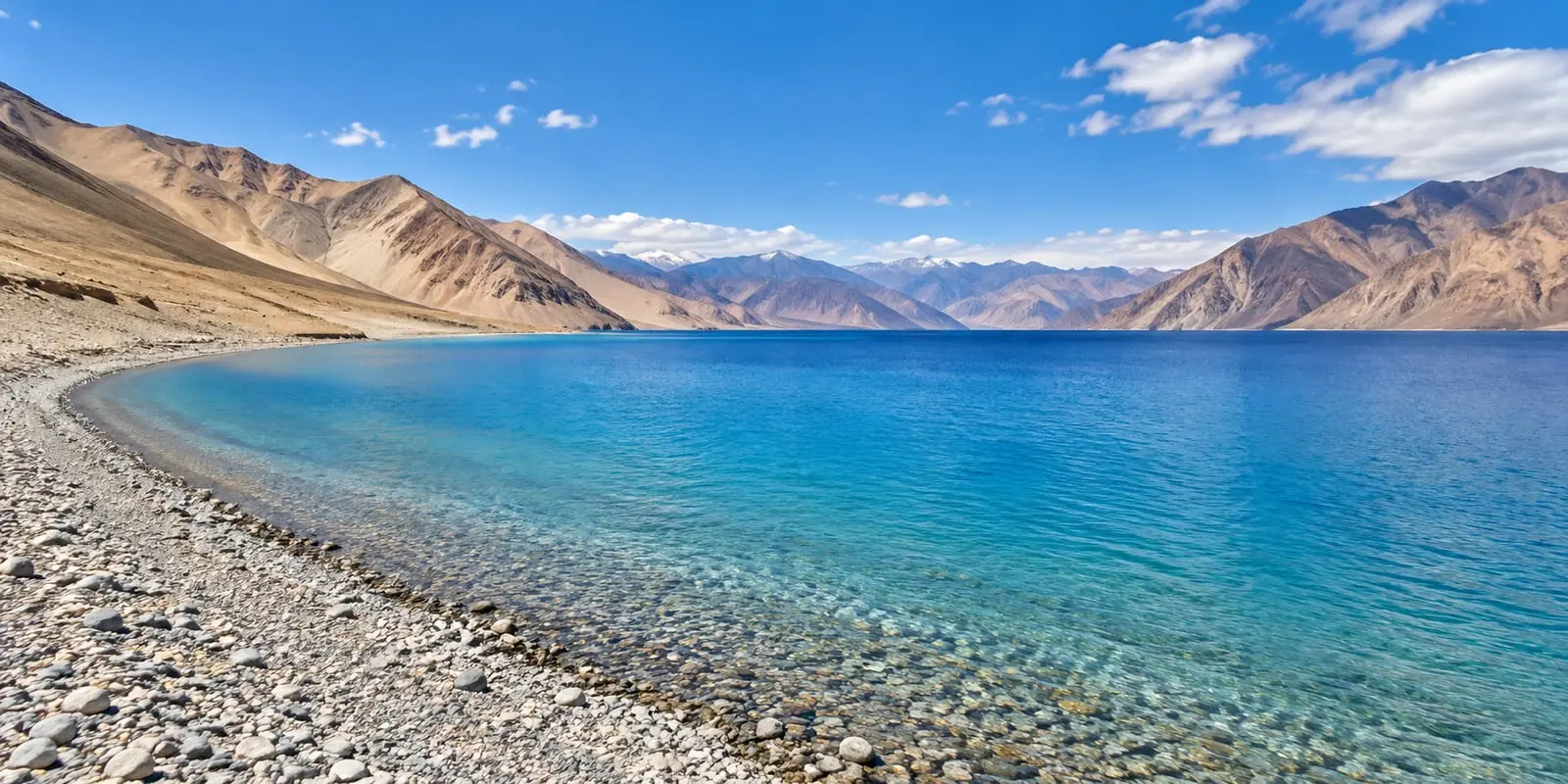
 Ladakh
Kashmir Ladakh Tour
- Srinagar
- Gulmarg
- Sonmarg
- Kargil
- Leh
- Pangong
- Nubra
- Khardung La
Sightseeing · Hotel · Meals · Cab
Listed₹21,550

Journal
Plan what ID to carry in Kashmir, check Leh tourist fees, and see which Ladakh and Gurez routes need a separate permit check before you book.
Free custom quote · Step 1 of 2
Enquiring about: Kashmir and Ladakh Permits and ID: What Applies Where
In short
Carry original photo ID and accommodation details for the usual Srinagar, Gulmarg, Pahalgam and Sonamarg circuit. In Ladakh, Indian visitors use Leh's domestic registration and fee process. Foreign visitors need prior permission for designated protected areas. For Gurez or a Ladakh border route, check eligibility and road access for your exact stops and travel dates.
Updated
Start by listing the towns where you will sleep and every place you intend to reach on a day out. A holiday that stays around Srinagar, Gulmarg, Pahalgam and Sonamarg has different paperwork from a drive into Gurez or beyond Leh. The standard Kashmir family trip is a useful example of the Valley circuit. If you add a border valley, another pass or a village farther down a road, check the extension as its own route.
For the usual Valley sightseeing circuit, carry ID and your hotel or houseboat booking. Srinagar district lists guest registration as a requirement for accommodation and gives Aadhaar, passport and driving licence as examples of ID. Ask the specific property what it accepts for each guest, especially for children, and keep its address and contact with the booking. If you arrive by air, put your travel ID somewhere you can reach before opening checked luggage.
Check opening hours and tickets for each attraction, then ask about the road or local closure before choosing a day. A hotel booking in Pahalgam, for example, leaves you free to plan the town while individual side trips can have their own restrictions. The Kashmir safety guide explains which district notices to check before choosing the side trip.
| Traveller | Keep on hand | Check before departure |
|---|---|---|
| Indian adults | An original government photo ID, plus the booking reference and stay address | Accepted ID at your transport provider and each accommodation |
| Children travelling with family | The age or identity document requested by the transport provider or property | Whether the document and accompanying adult details meet the booking requirements |
| Foreign passport holders | Passport and the visa or other valid immigration documents you are travelling on | Guest registration requirements and whether each intended route requires prior permission |
| Anyone with a route document | Issued permit or registration, fee receipts and travel dates saved offline | Names, document details, routes and dates on the issued record |
Open your tickets and confirmations before you leave home and check the name against the ID you will use. This matters if a ticket uses initials, if the surname order differs from the passport, or if one traveller has a recently renewed document. Ask the provider how to correct a mismatch before reaching the airport or hotel. Keep each person's original with them and a separate offline copy for reference, since an official can ask to inspect the original.
Save the accommodation and permit files directly to your device so you can find them without signing in to email. A paper copy is helpful if your battery is low or a group is moving through a checkpoint together. Keep just the current itinerary with those documents, including every hotel address and the actual nights you are staying. If the group splits for a day, send each traveller the information for their own route.
The Leh district permit FAQ describes the inner line permit as applying to foreign tourists. For Indian visitors, start with Domestic registration in the Leh District Tourist Management System and check the current instructions for your chosen stops. The district says its existing environmental fee, Red Cross Fund and wildlife fee continue, with online payment through its system. Carry the issued registration and fee receipt together where the route calls for them.
Open the permit system from the Leh district administration's website. Compare the final details with your dates and the people travelling before submitting. The official portal flags fake environmental slips, so check that the receipt comes from the recognised process. If you receive a receipt from someone arranging the trip, ask how to retrieve it from the official record and whether you need a printout at a particular checkpoint.
The circuit list groups places along named approaches. It is useful when comparing a standard return from a lake with a longer through-drive. A point on the route map can be listed under another circuit, and you should get the complete plan checked when your driver proposes an alternate road. If some travellers have foreign passports, check their eligibility before the group chooses a route.
| Planned area | Domestic list | Details to give when checking |
|---|---|---|
| Nubra and Turtuk | Circuit 2 | Mention Khardung, your Nubra overnight village and whether you continue past Hunder to Turtuk |
| Pangong Lake | Circuit 5, with a related Leh-to-Lukung listing in circuit 7 | Give the approach and where you plan to stop or stay along the lake |
| Tsomoriri and Korzok | Circuits 3 and 4 | Specify whether your itinerary goes through Puga or uses the more direct listed approach from Upshi |
| Hanle | Circuit 16. A longer route through Chushul and Loma appears separately | Say whether you are visiting Hanle alone or continuing along another border route |
| Leh city | Circuit 8 | Check eligibility again if you extend a city stay outside Leh |
| Hanu and the western villages | Circuit 1 includes Hanu. The foreign list separately shows Lamayuru, Khaltse, Skurbuchan and Hanu | Supply the village names, intermediate stops and the direction of travel |
Use the place guides for Nubra Valley, Turtuk, Pangong, Tsomoriri and Hanle to decide which named stops are worth including. Then check your exact sequence with the issuing authority. The public Foreign tab in the district circuit list shows Leh city and a western circuit. For destinations beyond those listings, ask which routes are authorised for your own passport before choosing any fixed reservations.
Indian visa permission covers your entry to the country. For a designated protected area, the competent authority issues a separate Protected Area Permit, or PAP, for permitted travel. In a designated restricted area the corresponding document is a Restricted Area Permit, or RAP. The official e-Visa guidance also requires prior civil authority permission for travel to protected, restricted and cantonment areas. Ask which places, road segments and dates the issued permission covers before committing to the itinerary.
The Leh system names Pangong, Nubra, Khardung La and Tsomoriri among its examples of protected or restricted routes. It also distinguishes some nationalities and passport or visa categories that need central handling. For instance, some applications require prior central government approval, and the portal gives separate instructions for diplomatic, official and journalist documents. Tell the issuing office the passport and visa category and whether everyone will use the same route. Ask whether any transit stop or change of driver needs to be listed.
Start early enough to contact the Indian mission or the appropriate Indian immigration or local issuing office before booking the affected legs. The three-month lead time in the UK government's India entry advice applies to its guidance for British citizen passport holders. Ask the Indian authority which submission channel and timing apply to you, especially if a flight, a remote room or a long road transfer depends on the answer.
Ladakh's administration reviewed the permit process on 24 August 2026. The review included the possibility of one permit for much of the territory, with restricted areas identified separately. That was a proposal to explore. Use the route and validity dates on the document you actually receive. Ask the authority how to handle an itinerary change when a road closure sends the driver to a different crossing.
For the journey to Srinagar, use our origin guides for the United Kingdom, United States, UAE, Gulf states and Saudi Arabia. We also cover arrivals from Singapore, Malaysia, Sri Lanka, Bangladesh, Nepal and Japan. Use the passport each traveller will present when asking about permissions, even if the group all departs from the same city.
Bandipora district publishes separate help contacts for travellers and for questions about foreign visitors. Ask the district which permission or ID checks apply to everyone in your vehicle on the planned dates. Give the name of your overnight village and specify whether you want to stay in Dawar or drive onward toward Tulail. Ask how much of the route is currently accessible, where documents may be checked and whether travellers on different passports can use the same itinerary.
Do that check before reserving a remote stay or taking a cab out from Srinagar. Once your dates are closer, ask the accommodation or driver about the current road conditions and where to stop if the approach closes. Our Gurez guide helps you plan the overnight stop. Keep a Valley day in reserve if the district or the road authority advises against continuing.
Have each traveller's ID ready at a hotel desk. Foreign visitors should show the passport and immigration documents they are travelling on. Ladakh's August review addressed lodging providers' maintenance of foreign guest details using Form III, previously called Form C. Ask the property what it needs to handle its registration. Keep your own permit paperwork accessible for the onward journey, since the hotel guest record and the route document serve different purposes.
At a road checkpoint, make the current day's route clear. A simple note can list your starting hotel, the villages you will pass, where you will turn back and the address where you will sleep. Present the originals, receipts and permit when requested. If the route or group on your issued paperwork changes, contact the relevant office before carrying on. Record the name of the office and save its current contact details with the itinerary.
Keep copies of your documents private. Share the travel dates, destinations, passport category and group size in an initial itinerary enquiry. Supply document numbers or images only when the issuing office, accommodation or another verified party explains what is needed and gives you an appropriate channel. Avoid posting the group's documents in a shared planning thread that includes people outside the booking.
Choose the Valley days first if the Ladakh extension is still undecided. The Kashmir planning guide covers the order of stops, and how to reach Kashmir helps you compare arrival points. See the Kashmir tour packages, honeymoon packages or honeymoon guide for routes that can stay within the Valley while you make a separate decision about a border trip.
If you are going farther, compare the Kashmir Ladakh Tour with Incredible Ladakh and the Ladakh destination guide. The Srinagar to Ladakh taxi page covers the transfer to Leh. Treat the onward circuit as a separate planning leg, since going from Srinagar to Leh and continuing to Pangong or Nubra are different journeys. Keep the first two days in Leh free of high-altitude outings in line with the district's minimum 48-hour acclimatisation guidance.
For a combined trip, write the hotel nights beside the route segments they support. If you cannot continue from Nubra to Pangong, for instance, check whether the alternate route returns to Leh and whether the next stay still makes sense. If the person driving changes midway through the journey, give both drivers the same version of the plan and save their confirmed meeting points. Leave enough time to get back to the airport without depending on a same-day border road.
Use the package price list for package comparisons, and the Srinagar agency guide for questions to ask before choosing travel arrangements. When you contact Soun Kashmir, give the date range and mention stops that depend on a route check. Ask how each proposed transfer or day trip fits your itinerary, and use our Kashmir travel guide to choose an alternative if a stop is unavailable.
Packages to start from
Each package is a starting point: we change the route, the days and the hotels to suit you.
LadakhSightseeing · Hotel · Meals · Cab
Listed₹21,550
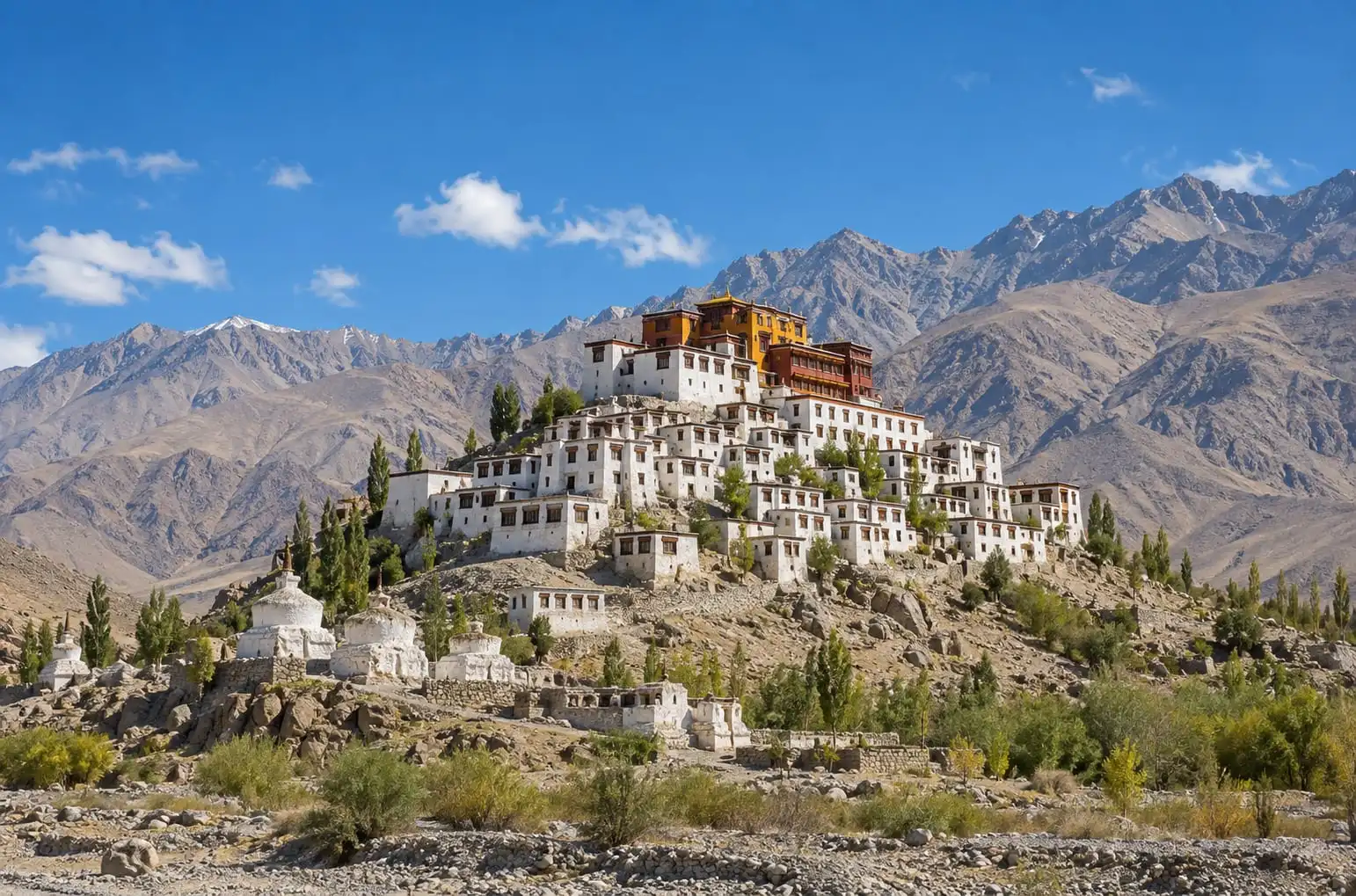 Ladakh
Listed₹24,900
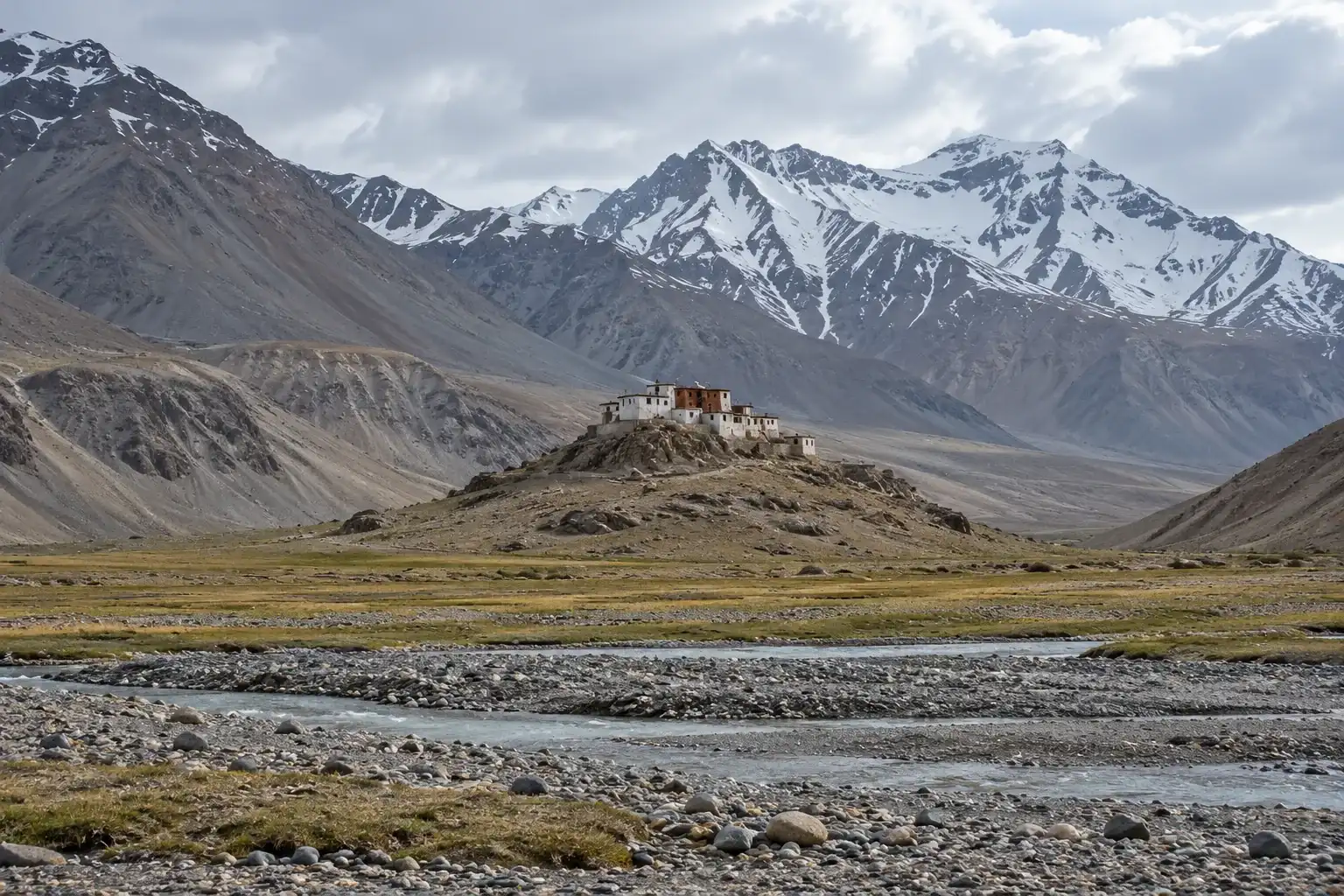 Ladakh
Listed₹29,000
Questions
Gurez and the routes beyond Leh need a separate eligibility and permission check from the ordinary hotel and transport arrangements around Srinagar, Gulmarg, Pahalgam and Sonamarg. List every place you expect to reach, even on a day trip. Use that list to establish which people, dates and routes a permission needs to cover.
The accommodation provider can confirm which original photo ID it accepts, with local instructions listing documents such as a passport, driving licence or Aadhaar for guest registration. Ask in advance what each person should show, particularly if the party uses different documents. Keep the reservation details available when you reach the desk.
A Pahalgam room reservation gives the group accommodation, while individual outings may require their own tickets, vehicle arrangements or clearance under the current access notice. List the places where you want to stop outside town. Check access for the actual date before fixing the pickup time or paying for a side ride.
A difference between your reservation and the document you intend to carry is worth resolving with the ticket provider before the journey starts. Check surnames, initials and any change after renewing a document. Ask how a correction is recorded, and keep the latest confirmation with the identification that matches it.
Downloaded copies of bookings, permit pages and fee receipts give you a way to read the details without opening email, alongside the originals you may need to show. Put the current versions in a folder you can reach quickly. Keep a paper copy where useful and make sure it matches the booked dates.
Indian travellers should start with domestic registration in Leh’s district tourist system and read the instructions for the circuit and dates they expect to travel. Check every name and ID entry before finishing registration. Save the resulting receipt together with any additional details that the district asks visitors on that route to carry.
Leh’s domestic process lists environmental, Red Cross and wildlife fees, so the receipt is a useful check against the details you submitted for your trip. Use the official district system to check the payment confirmation. The travel quote should explain separately which fees it includes and which the guests handle themselves.
A fee slip needs to correspond to the official district system and the right party, dates and journey, particularly because the district has flagged false receipts. Verify the record with the issuing system before relying on a forwarded image. Keep the valid confirmation available when you travel, along with your identification.
The complete circuit includes the approach, every intermediate stop and the road back, so the main lake or valley name alone gives the issuing office too little detail. Write down the route both ways and any planned through-drive. Have the office confirm the coverage before booking rooms that depend on one approach.
Turtuk belongs on the list you give the issuing authority if you intend to go there, even when the accommodation or transport booking is described broadly as Nubra. Provide the route and whether you will stay overnight. Have the authority explain which circuit entry or documentation covers the visit for your group.
Adding Hanle or Tsomoriri creates an additional route decision that should go back to the issuing office before you pay for the new stay or drive. Tell them how you will approach and leave the stop. Recheck the dates on the revised confirmation before treating that leg as ready to travel.
Permission for one approach may cover a different road from the one you later intend to drive, even when the overnight destination remains the same. Verify both the replacement route and its access status before changing direction. If the new route is unavailable to your party, amend the booking around a confirmed alternative.
An e-Visa covers entry to India under its terms, while permission to enter a designated protected, restricted or cantonment area requires a separate check with the appropriate authority. Give the office the exact area and the documents you hold. Obtain any applicable permission before paying for travel that depends on that entry.
The issuing authority can tell you whether a designated stop requires a Protected Area Permit or a Restricted Area Permit based on its classification and your travel documents. Give it the names of the stop and approach road. Confirm that the issued permission matches the route and dates before using it.
Certain nationalities or passport and visa categories can require a different issuing office for designated Ladakh areas, so the person arranging a vehicle needs to check each traveller. Contact the relevant authority with the exact route and document category. Wait for the answer before committing that person to a shared itinerary or payment.
Foreign guests should make the eligibility enquiry before reserving restricted legs because lead time depends on the document category, route and office that must handle it. Ask about the actual travel period and the applicable process. Fix the higher outings only after the office explains what can be arranged in the remaining time.
A proposal to simplify permits does not change what visitors need to carry until the issuing authority publishes and applies the new process to the relevant route. Use the operative instructions when finalising your dates. Ask whether designated restricted stops on your list would continue to need their own permission under any new rules.
The district needs the travellers’ document categories, the travel dates, the village where you plan to sleep and any visit you intend to make into Tulail. Specify the entry and return approach as well. Use its foreign-visitor contact where relevant and wait for the route-specific answer before committing to a remote stay.
A room booking in Gurez establishes where you will sleep, while the Tulail extension can involve its own access and eligibility questions for the people making that drive. Give the district both stops and the intended approach. Then check road conditions for the planned day before arranging to continue farther after your stay.
A foreign guest should bring the passport and immigration documents they are travelling on, along with the room confirmation that the accommodation uses to identify the booking. Check the property’s arrival instructions ahead of time. Lodging providers handle their guest records and can tell travellers which documents to present at check-in.
The driver should know the planned circuit and where the current booking starts, turns back and finishes so it can be explained accurately if a checkpoint asks. Each traveller should have applicable identification and permission ready to present. A short written itinerary helps the group keep the same information to hand.
Dates, intended stops, the number of travellers and their passport categories are enough to start a discussion about route eligibility without sending document images in the initial enquiry. Provide numbers or copies only when a verified recipient needs them for a defined step. Keep the receipt and issued paperwork private and accessible.
A shared road itinerary should use stops that every passenger is eligible to visit, with each person holding the documents that apply to their own situation. Verify the circuit for all travellers before making fixed room bookings. If eligibility differs, agree a common route or request separate arrangements for the affected day.
The rooms beyond Leh should stay flexible when they depend on a circuit that the issuing authority has yet to confirm, especially on a route between two remote stops. Put the nights beside the respective drives in your itinerary. Ask which bookings can move if the available road instead returns through Leh.
The Valley stay can be planned around its own arrival, accommodation and town visits while you work out the permissions needed to travel beyond Leh later. Keep the transition day and onward nights flexible until then. Compare where your transport would finish under both plans before committing to a return ticket from either region.

Your question is not here?
Every answer is in the page, and a planner answers the rest in a free custom quote.
Keep exploring
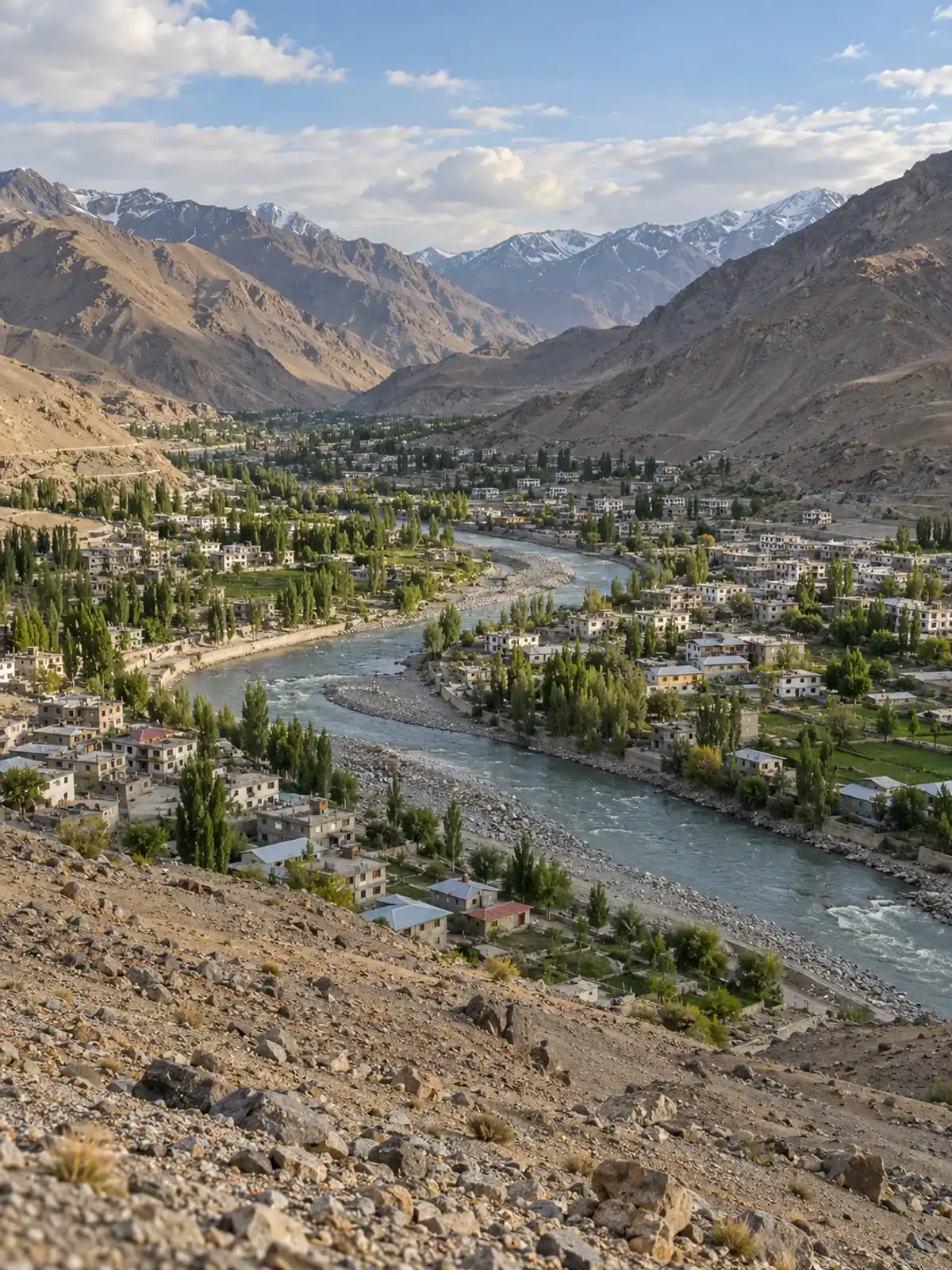 DestinationStart in Leh, Then Choose Your Ladakh Road ItineraryPlan a Ladakh trip with 48 hours to adjust in Leh, seasonal road checks, route-specific permits and Soun Kashmir's four listed tours.
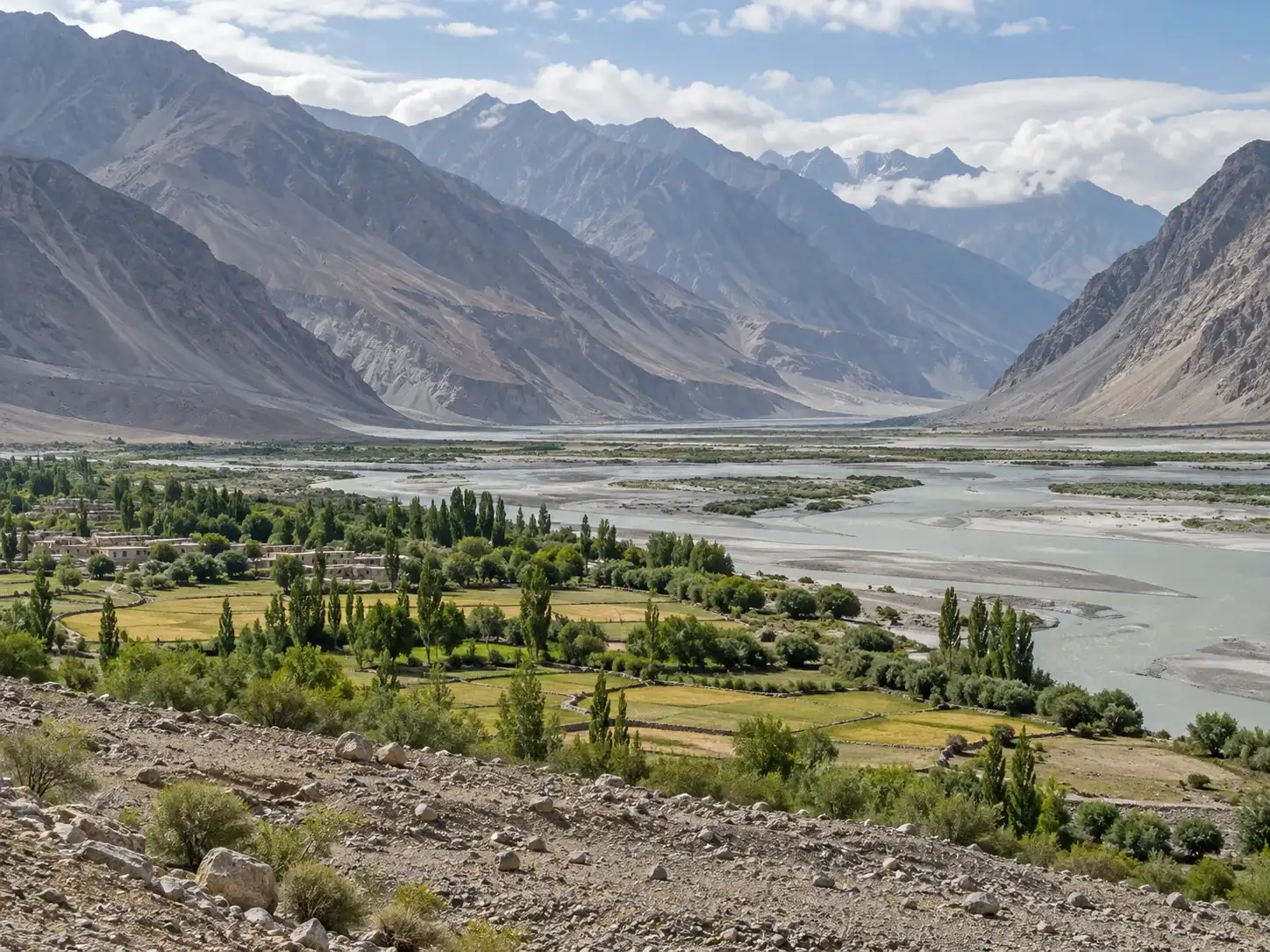 DestinationNubra ValleyPlan Nubra Valley around Diskit monastery, the dunes at Hunder and your chosen overnight stop after the drive from Leh.
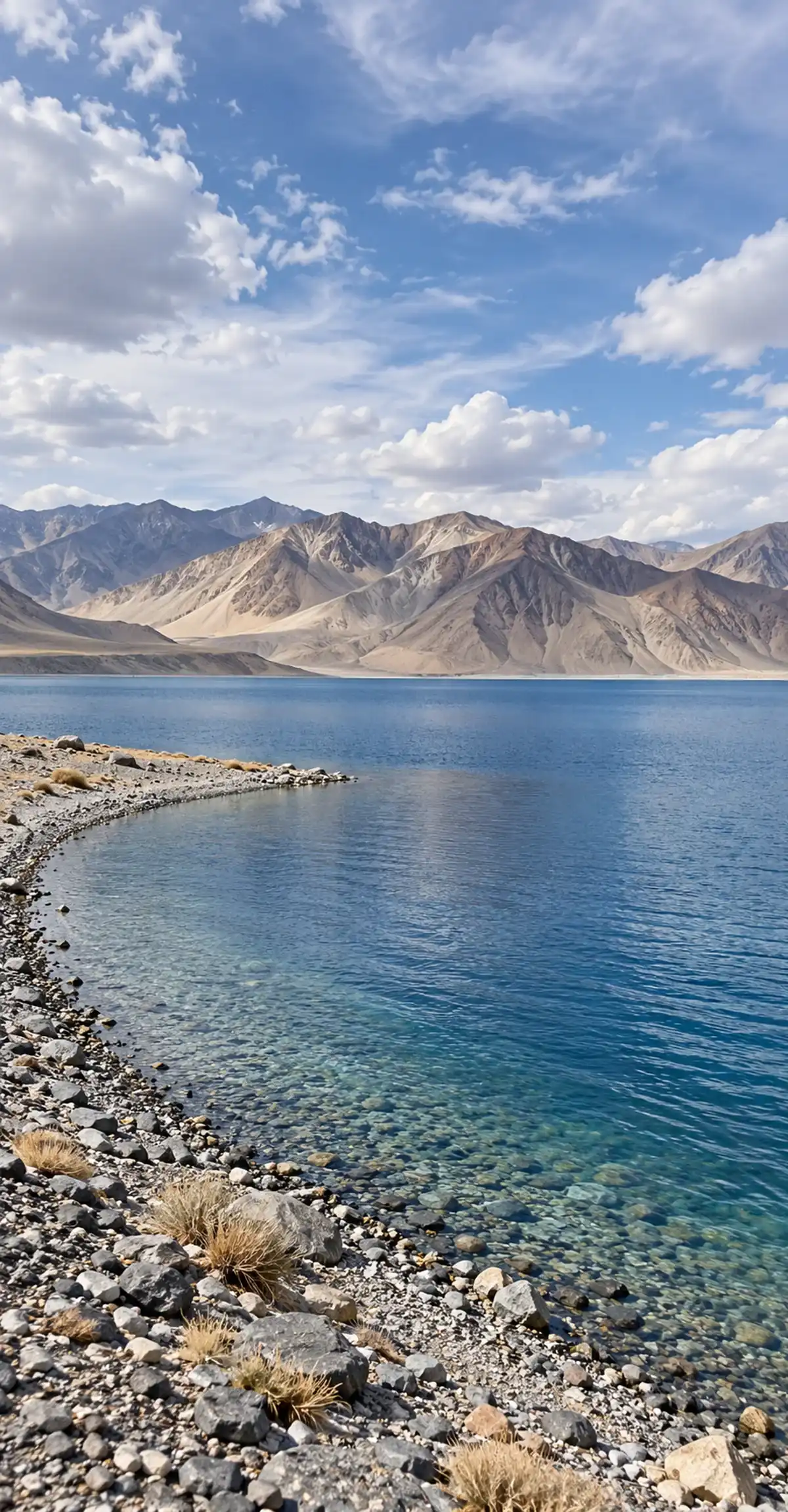 DestinationPangongPangong Tso is a high-altitude lake reached by road from Leh or Nubra. Compare a daytime visit with an overnight stay before choosing the route.
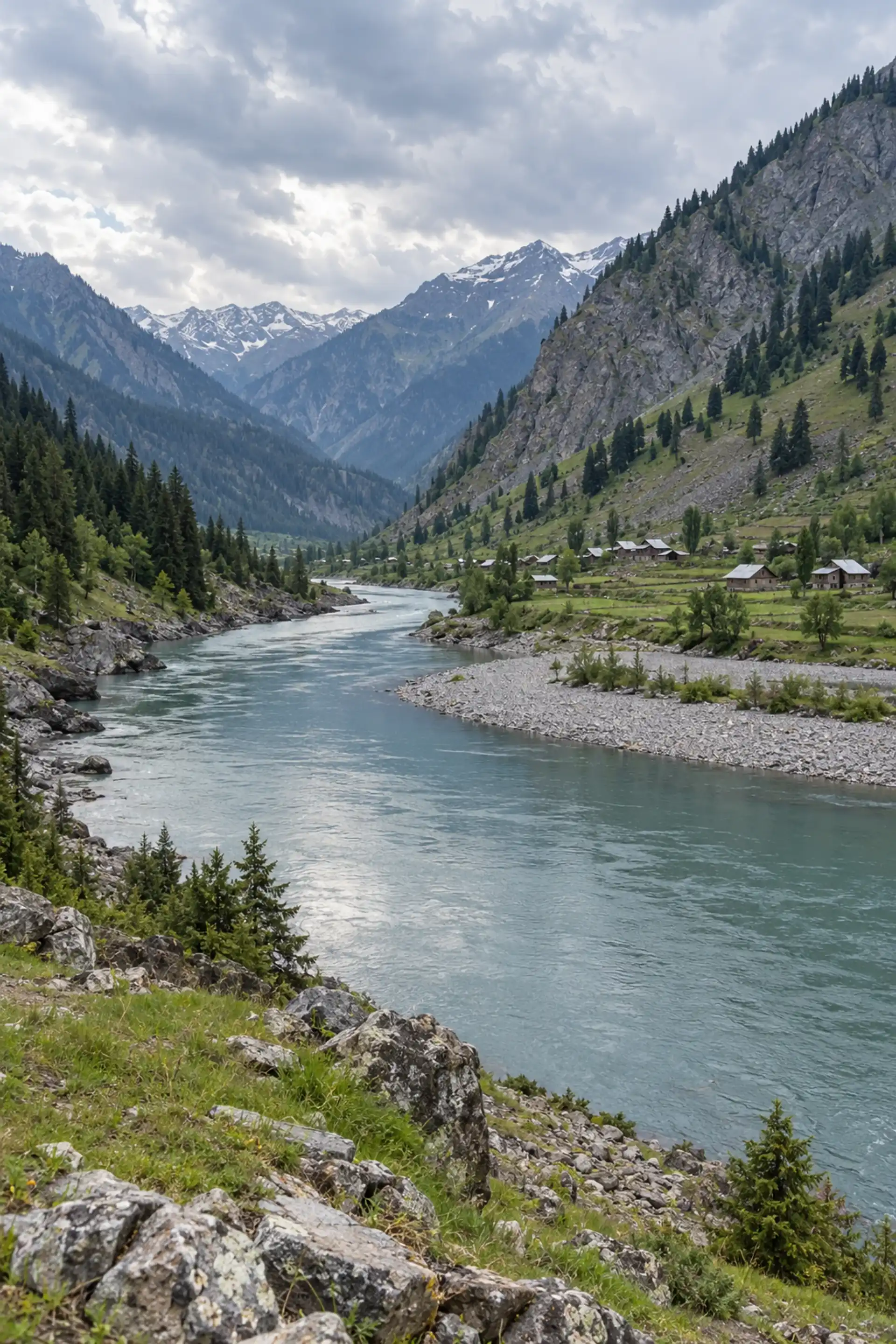 DestinationGurez Valley: Road Status, Permits and DistancePlan a Gurez Valley trip via Bandipora and Razdan Pass. Check road access and entry documents, choose a Dawar stay and request transport.
 ServiceSrinagar to Ladakh Taxi: Route, Hours and Zoji La FactsPlan a private Srinagar to Ladakh taxi with a Kargil stop. Check Zoji La access, rest in Leh, vehicle size and the cost of the route before you book.
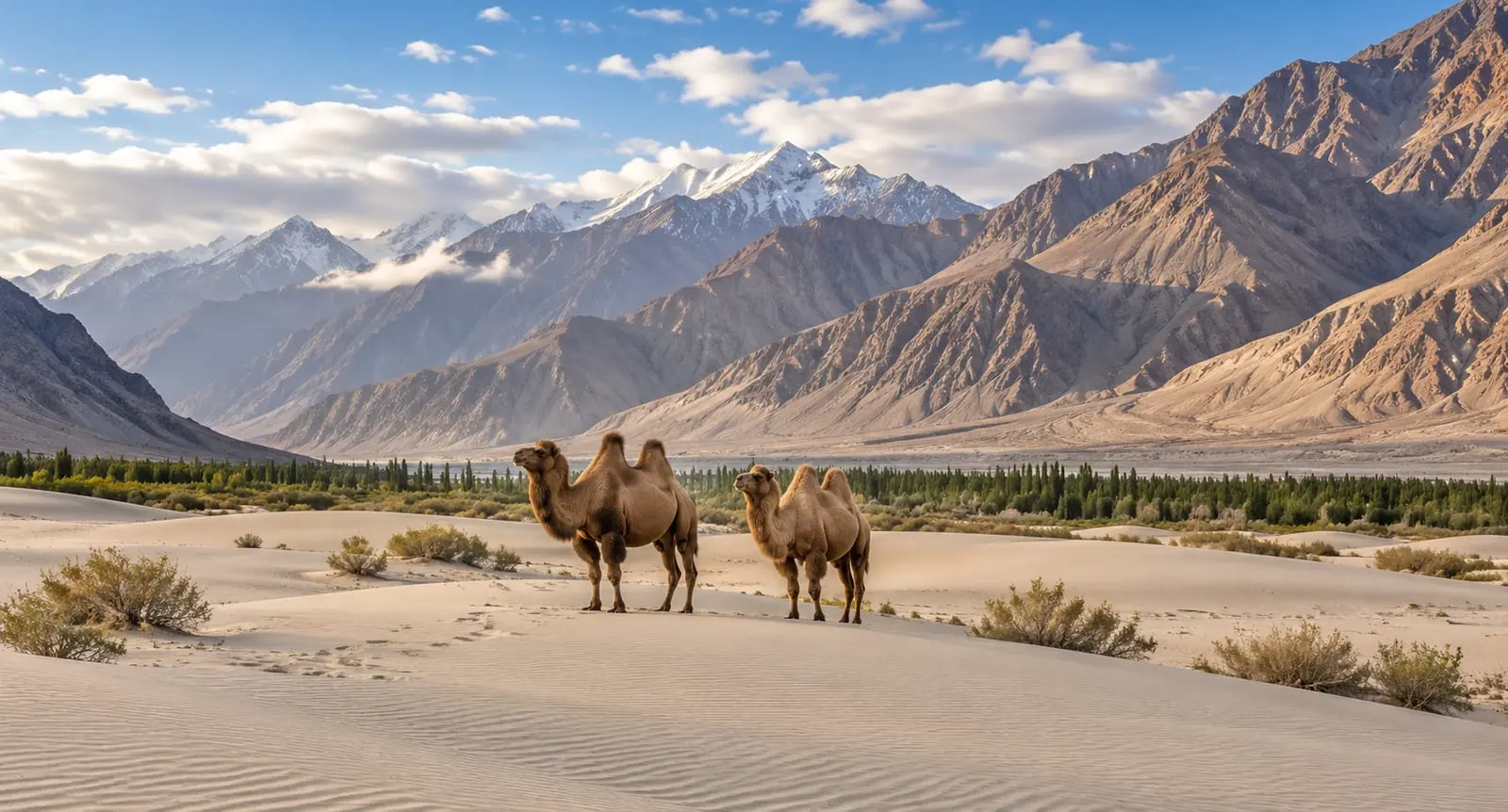 PackagesLadakh by Road: Choose Nights in Leh, Nubra and at PangongCompare Soun Kashmir’s Nubra and Pangong routes at ₹21,000 and ₹24,900. Plan time in Leh, check high-pass access and confirm the lake stay in your quote.
How it works
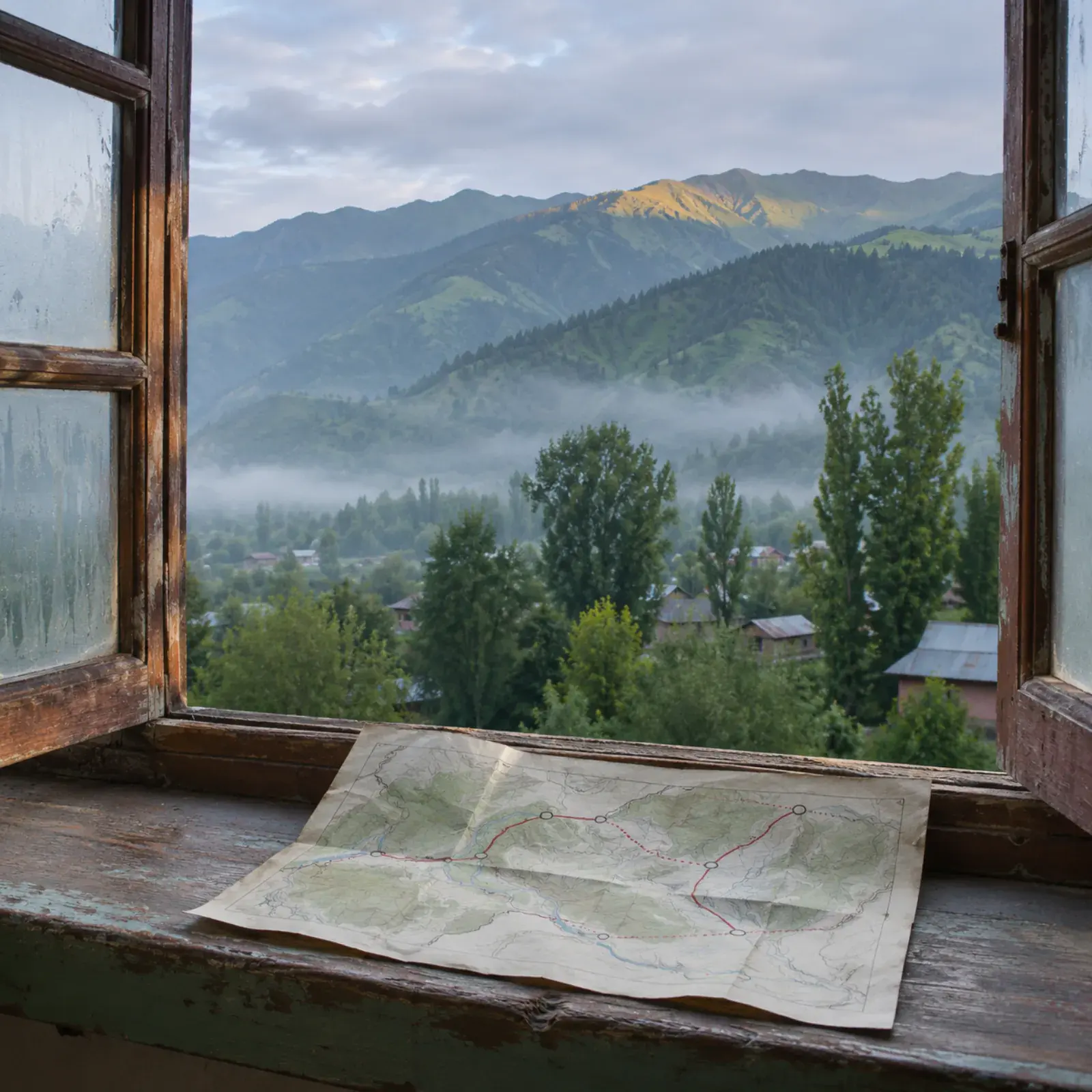
Choose a starting route and share your travel dates, group size and arrival point.
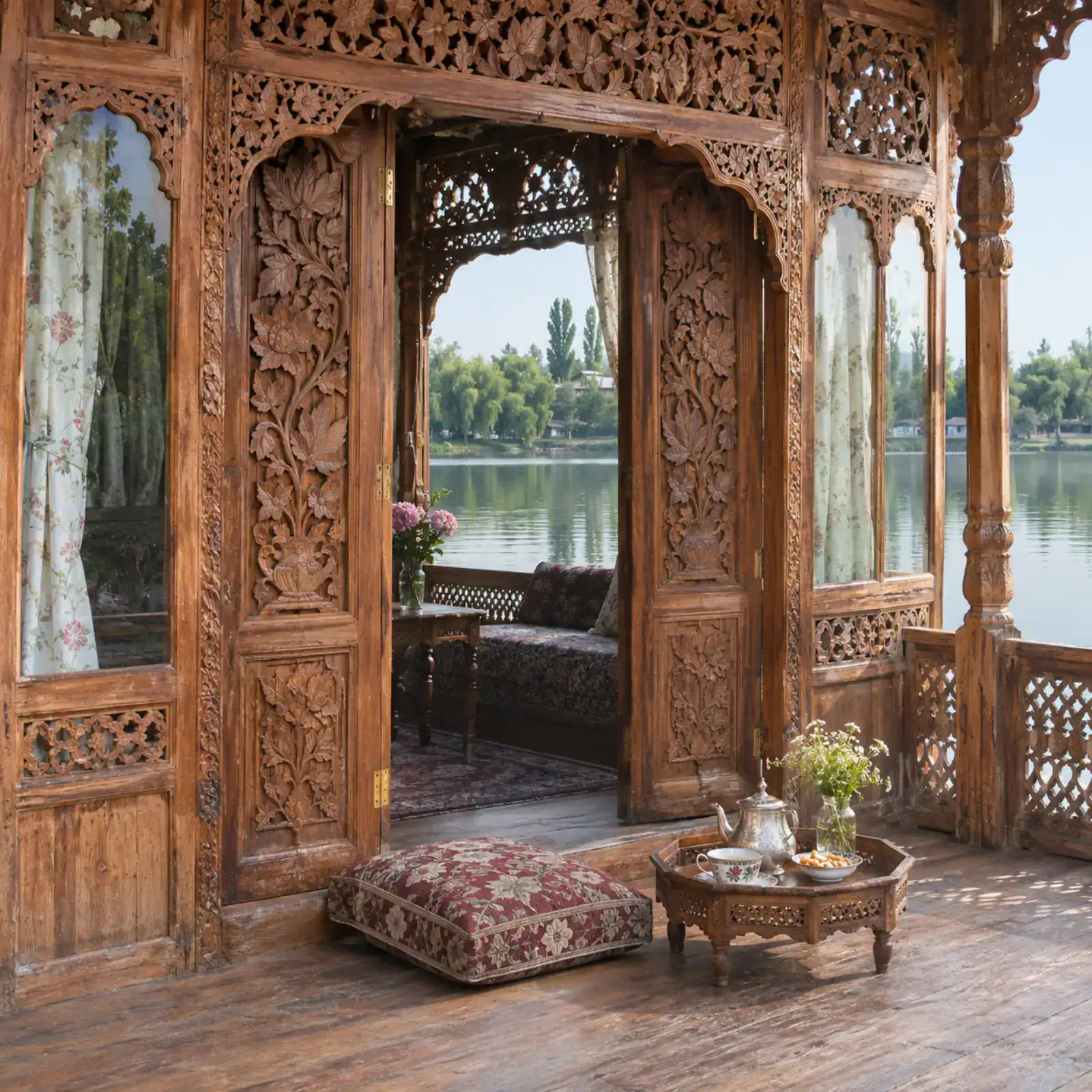
Decide where to sleep and how you want to get around. Ask for the rooms, meals and transfers in a free written quote.
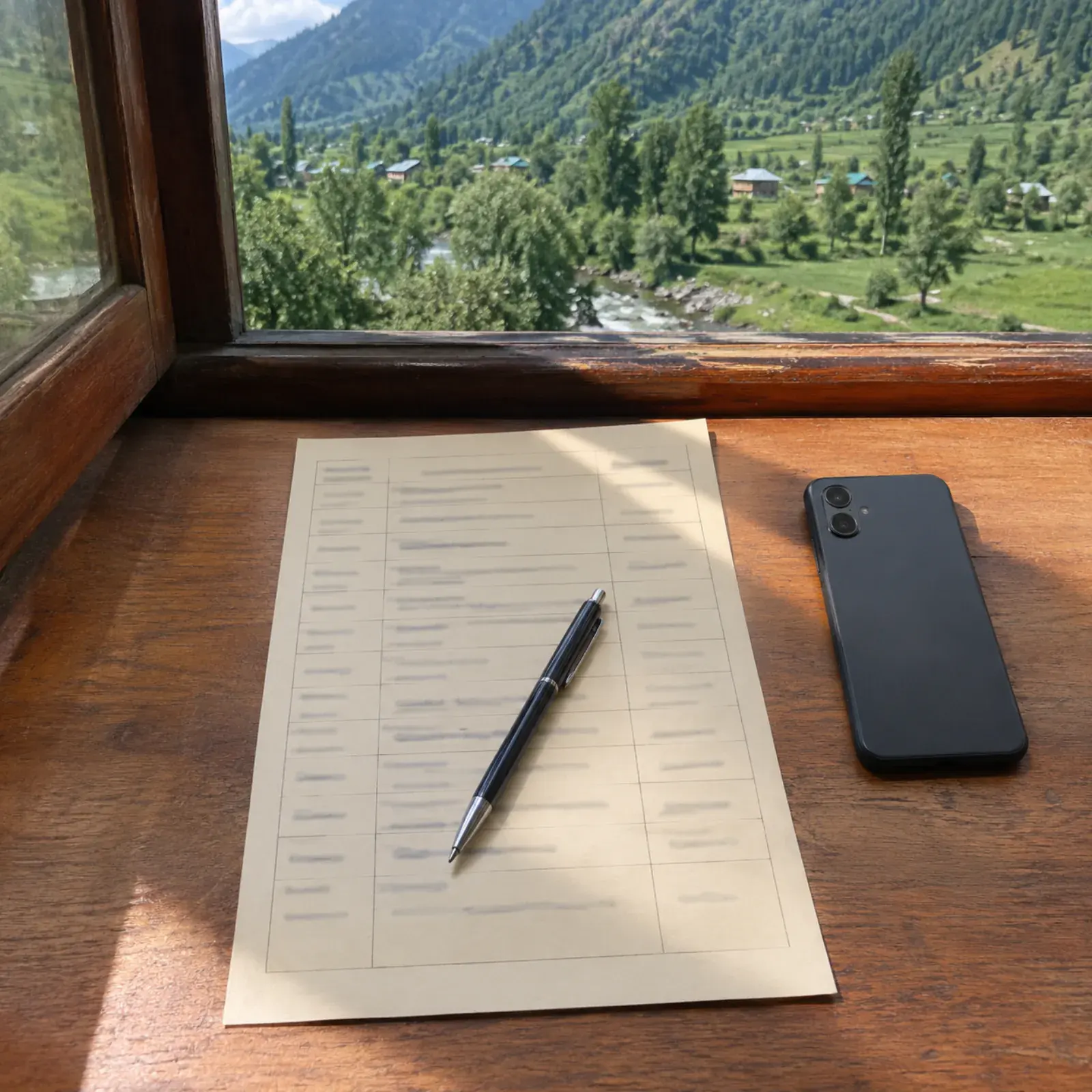
Review the itinerary and payment schedule before you confirm.
Keep your pickup details handy. Reach our Srinagar team by phone or WhatsApp if your plans change on the road.
Contact
Send your dates and the places you want to visit. Ask the Srinagar team to compare routes, rooms and transport for your family, couple or group.

Free custom quote · Step 1 of 2