 Kashmir
Listed₹12,500

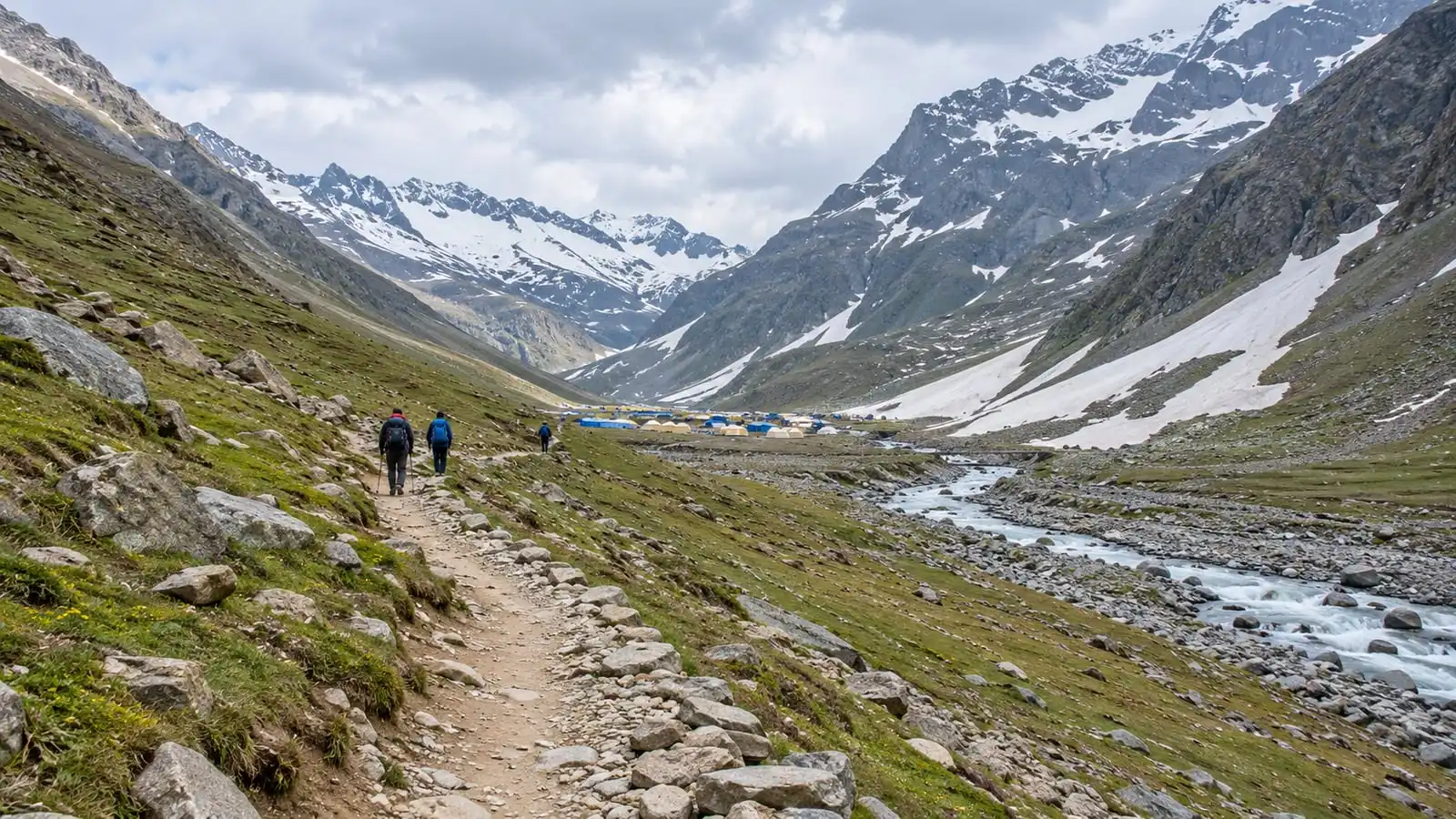
Kashmir · The ice-lingam cave yatra
Amarnath is a mountain pilgrimage with approaches through Pahalgam and Baltal near Sonmarg. Plan your stay and transfers around the registered route.
Free custom quote · Step 1 of 2
Enquiring about: Amarnath
The way upAmarnath
In short
Amarnath is a mountain pilgrimage with approaches through Pahalgam and Baltal near Sonmarg. Plan your stay and transfers around the registered route.
Guide updated
At a glance
Confirm the dates, registration requirements and route for the season. The two approaches start in different valleys, so check the road drop-off, your first walking stage and where you will meet your vehicle afterwards. Arrange the cab, stay and meals around those details, with time to rest before the return.
Opening times, road conditions, permits and prices change. Soun Kashmir confirms what applies to your dates when you ask for a quote.
Pilgrims
Packages
KashmirListed₹12,500
 Kashmir
Sightseeing · Hotel · Meals · Cab
Listed₹18,900
 Kashmir
Listed₹21,500
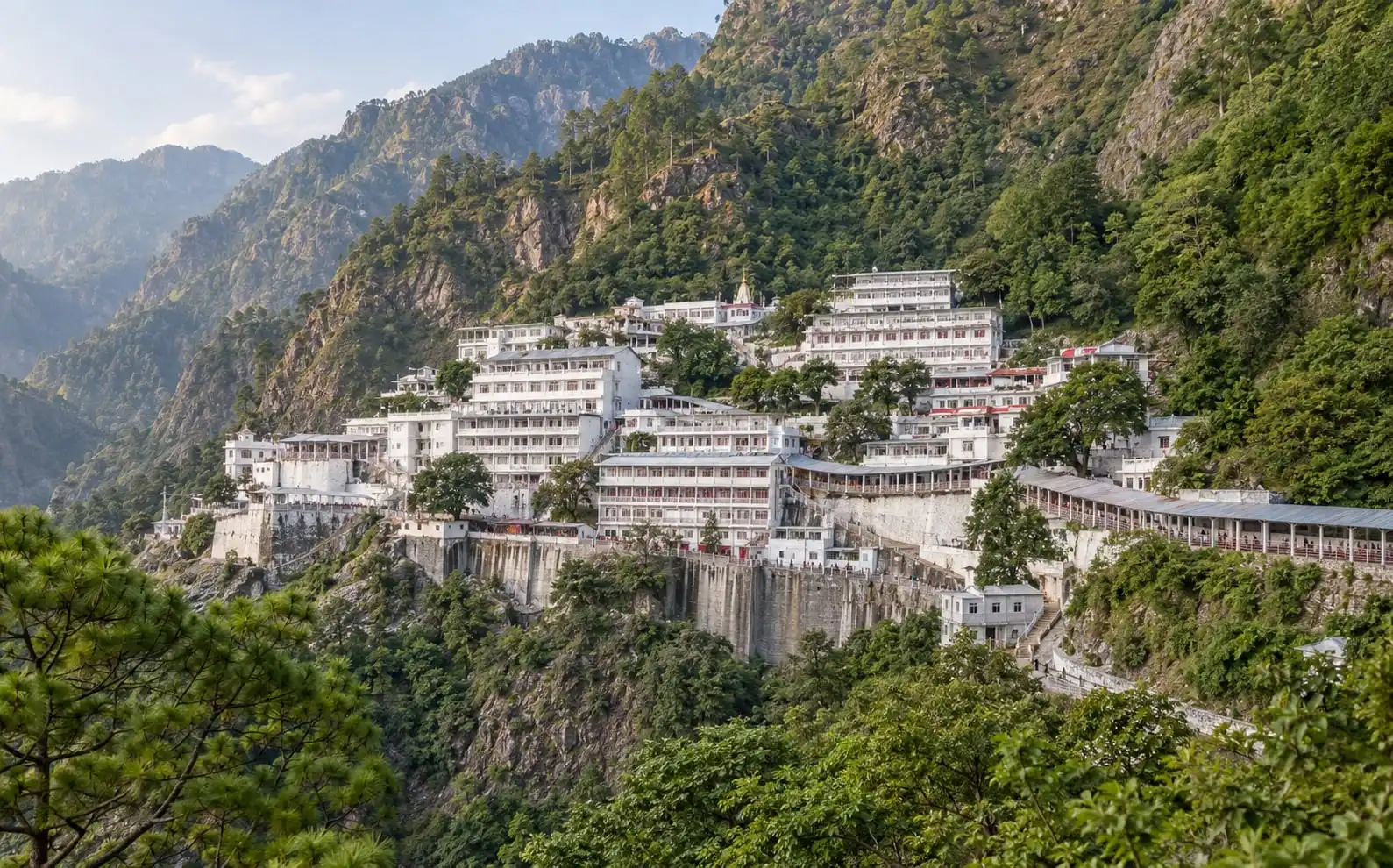
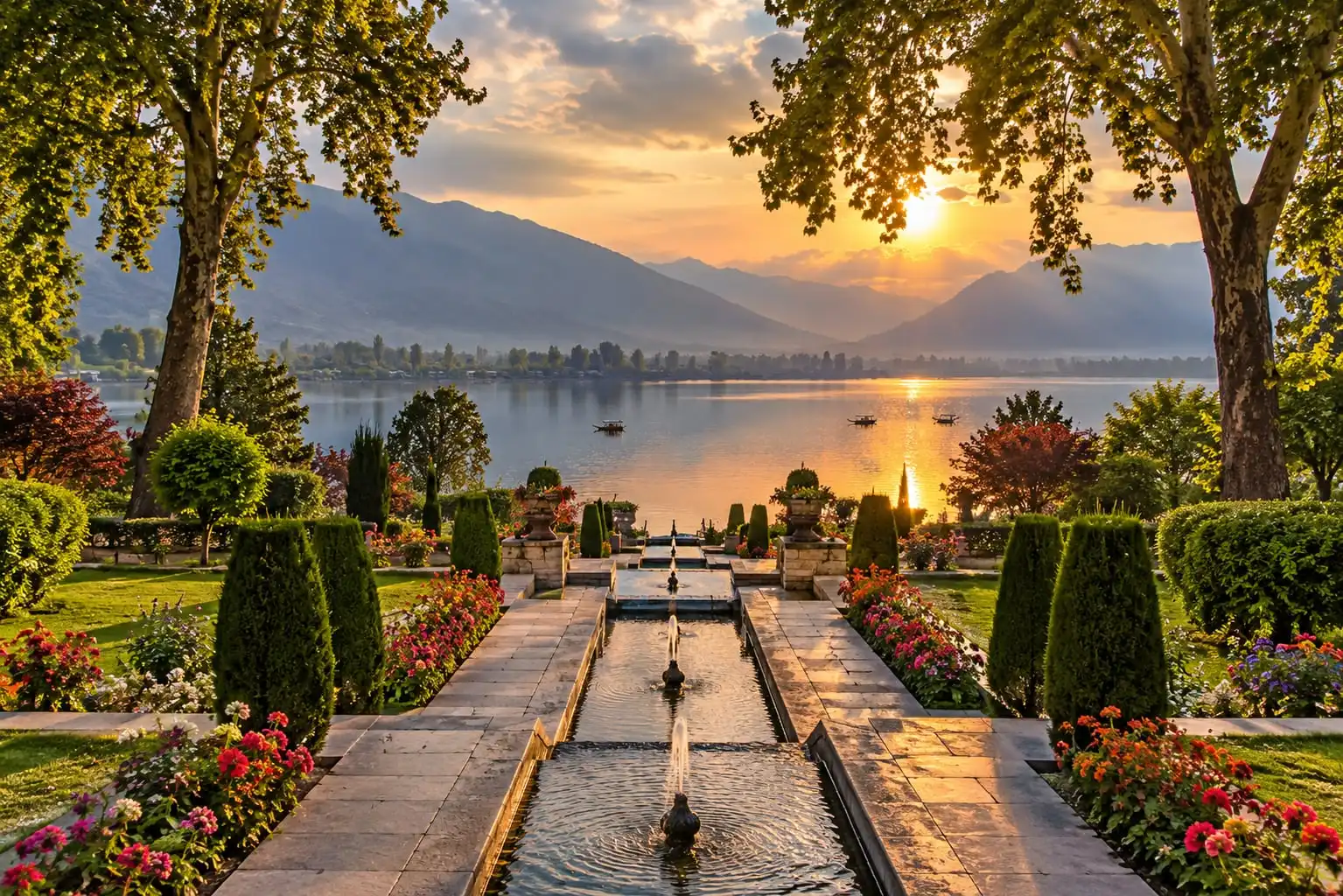
Listed prices: Amarnath via Sonmarg ₹12,500 · Vaishno Devi and Amarnath Tour ₹18,900 · Amarnath Kashmir Trip ₹21,500.
Plan the rest
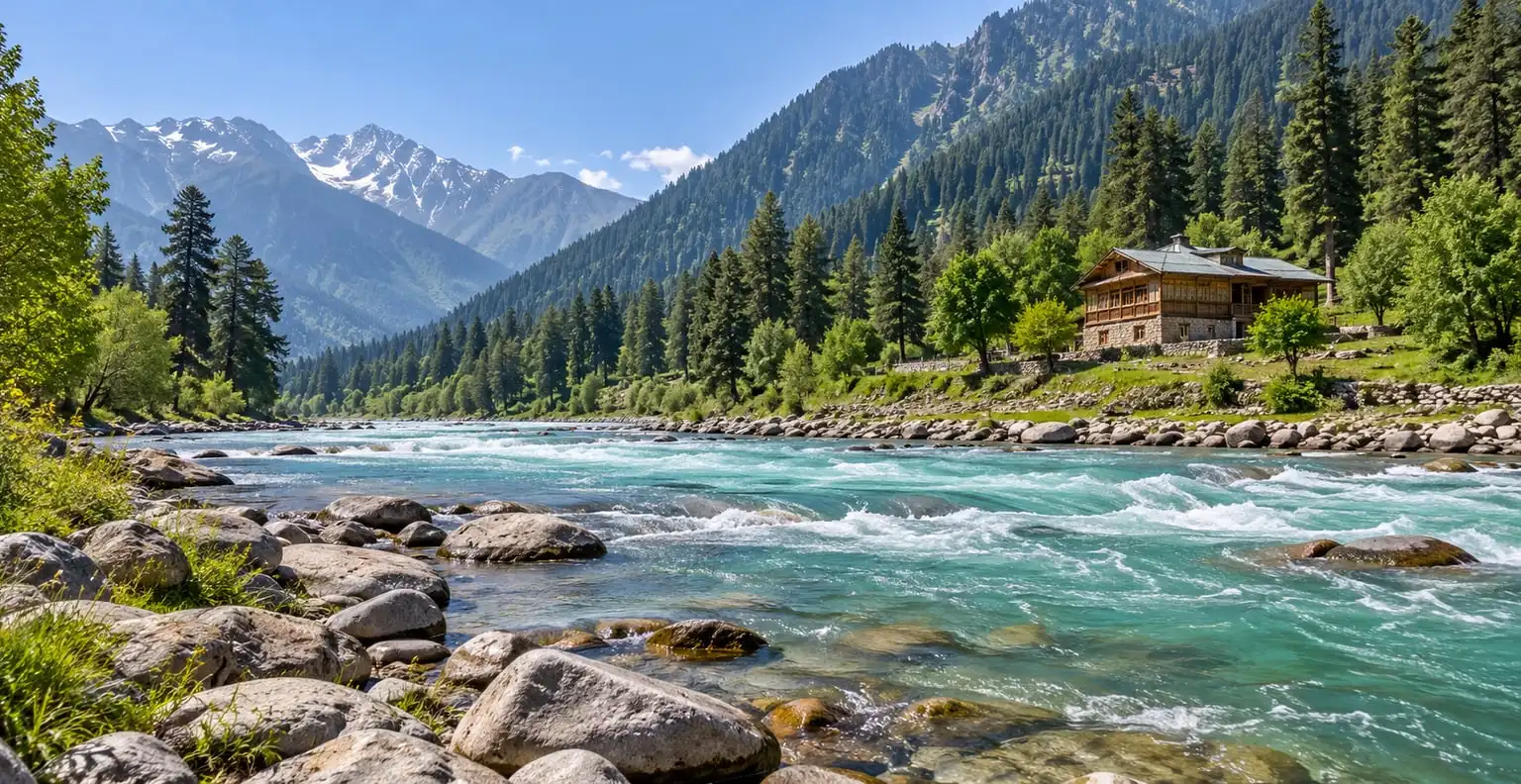 Service
Compare Kashmir hotels by town, access and room type.
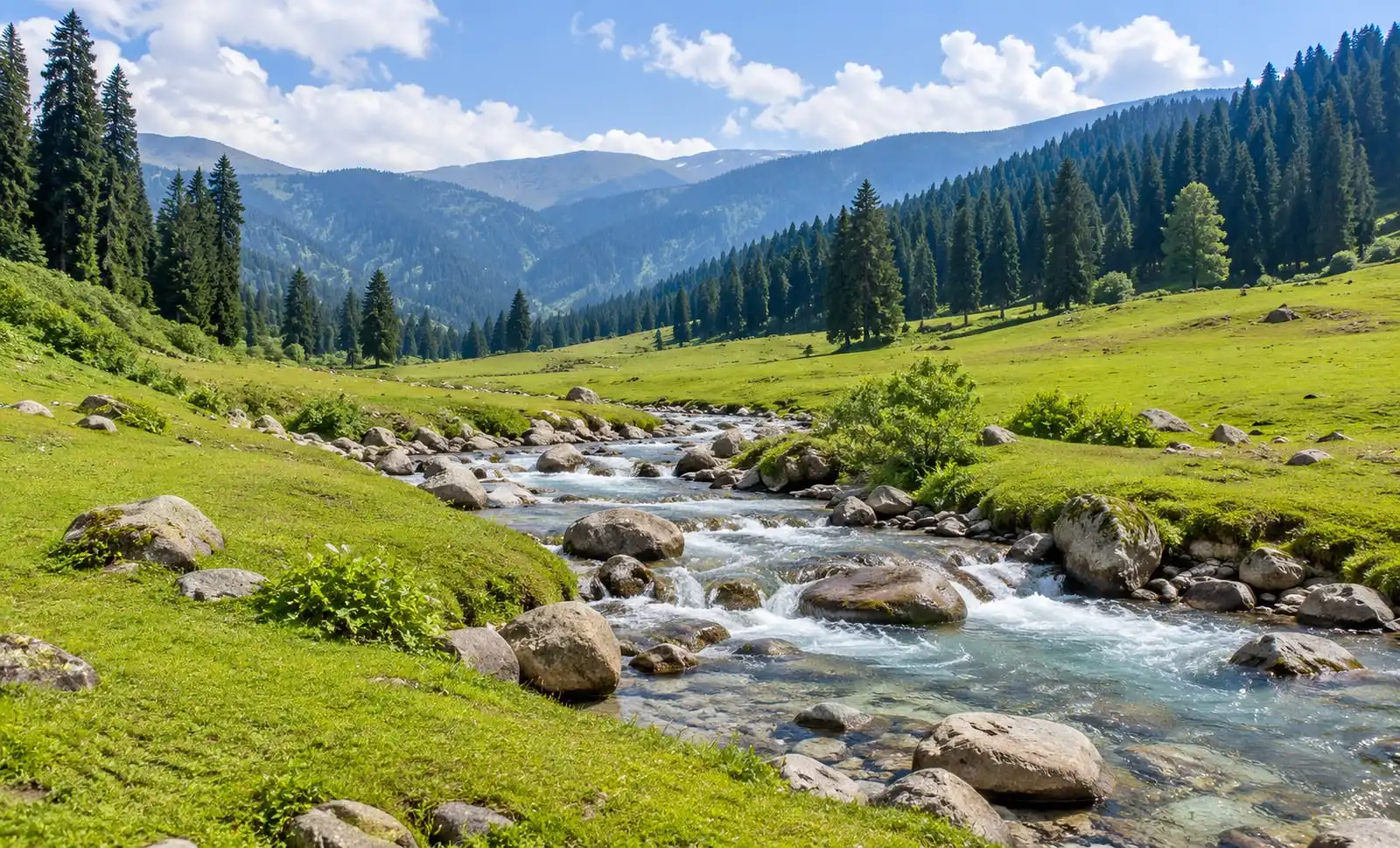 Service
Plan time with a local guide for a city walk, sightseeing day or pilgrimage route.
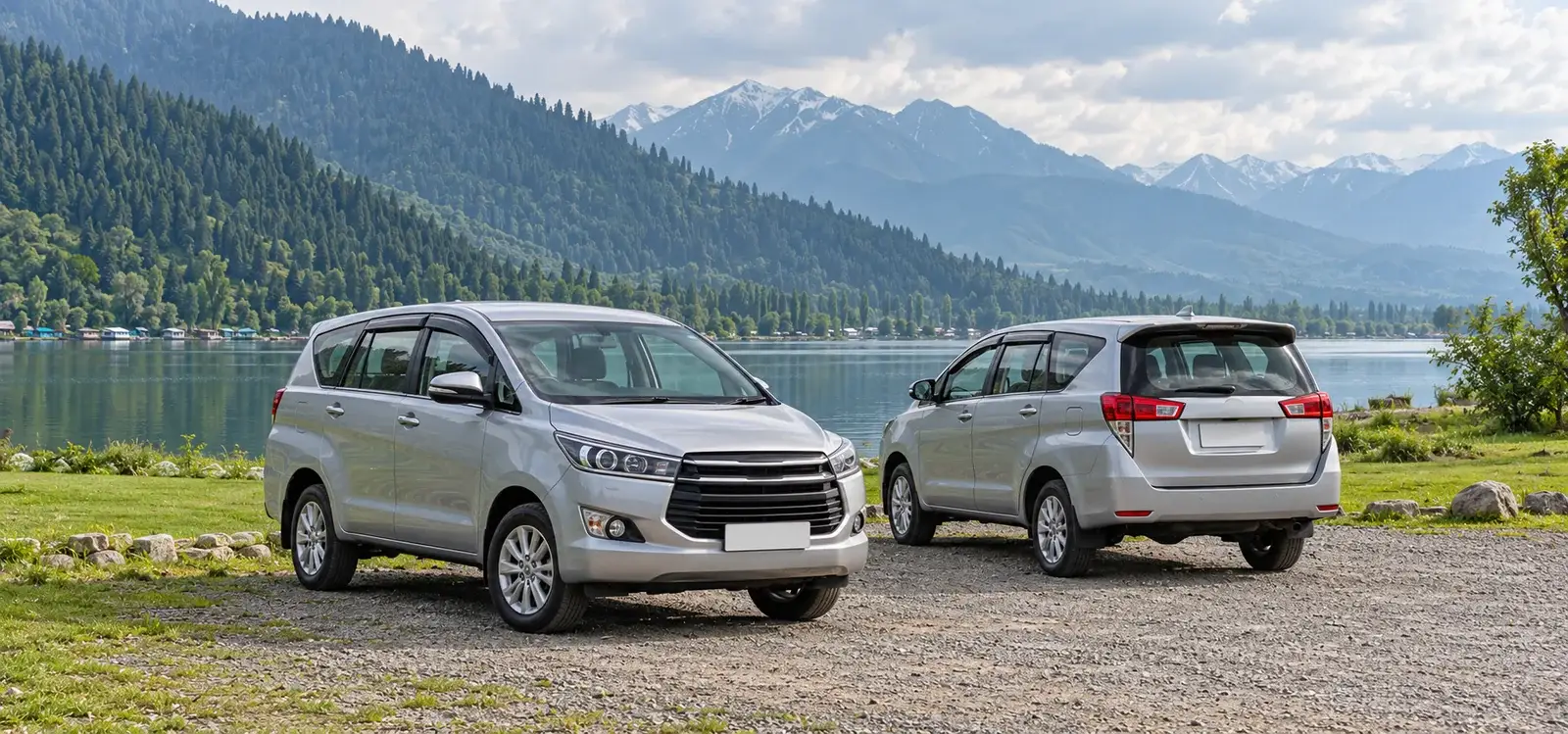 Service
Ask about flights, rail tickets or road travel that fit your itinerary.
Nearby
Questions
The road distance from Srinagar takes you to a base camp, while the trekking distance begins farther along the pilgrimage plan and should be considered separately. Compare the drive, the transfer to the access gate and the walking stages one by one. Use the route on your registration to name the right stops.
Baltal is about 14 km from the cave on the published trek route, but its steeper sections make distance a poor guide to a particular group's pace. Compare the walking demands and current route instructions before setting a pickup. Leave room for the group to return at a different time than planned.
Nunwan is the base near Pahalgam, while Chandanwari is the access gate farther along that approach and the starting point for the roughly 32 km trekking figure. Give both names to the driver when discussing where you will stay and where travel by car ends. Check the current transfer arrangements separately.
Domail is the access gate on the Baltal approach, so a vehicle instruction that says only Baltal may leave your drop-off or the return meeting point unclear. Agree where the car can actually stop before sending the group there. Keep the base camp and the access gate as separate entries in the schedule.
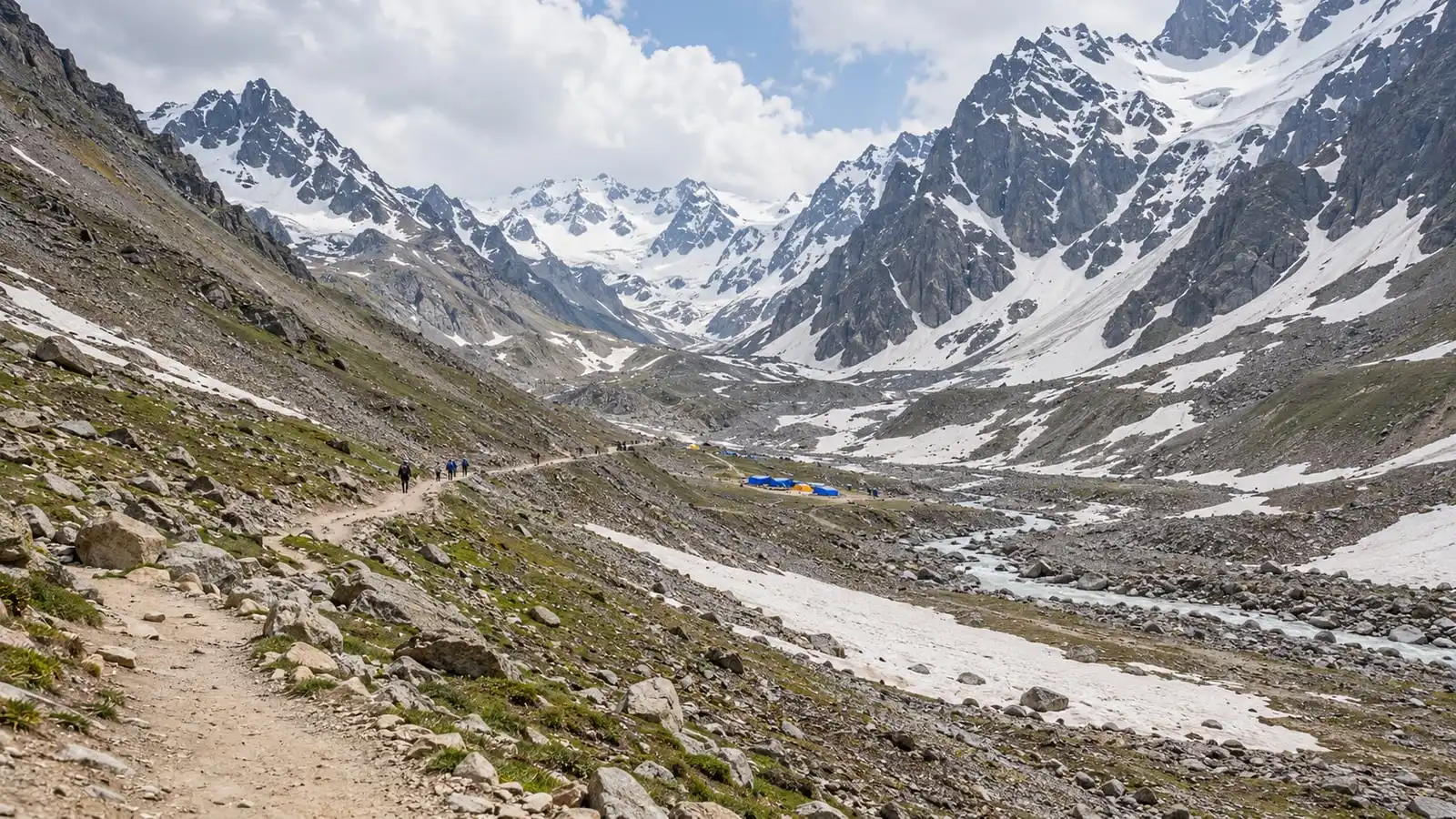
The approach from Chandanwari passes through places including Sheshnag and Panjtarni, so it helps to examine the trekking stages instead of treating the cave visit as one short outing. Check which stops the current season uses and what rest arrangements are available. Keep the stretch back to the pickup in view as well.
A Sonmarg-area stay puts you near the Baltal approach, while a Srinagar stay includes the drive towards Sonmarg before the group reaches its pilgrimage meeting point. Start with the reporting location and time for the group. Check the vehicle plan and what your room can serve before departure.
The shrine is high in the Kashmir Himalayas, so a shorter trek still needs a route choice that takes the climb, altitude and your readiness into account. Ask a clinician about personal suitability and check the season's health instructions. Leave room in the itinerary for rest rather than estimating by road distance alone.
A single Srinagar hotel can suit the arrival night, while the groups using Nunwan and Baltal will need separate drop-offs and return arrangements beyond the city. Compare the route and date on each person's registration before sharing vehicles. Pick a suitable reunion point for after both groups return.
Different dates can change which nights and transfers each pilgrim needs, even when the group plans to approach the cave from the same side of Kashmir. Compare the individual registrations before settling a joint itinerary. Arrange an independent room or transfer where the two sets of timings cannot fit together.
An afternoon arrival can leave an onward road leg if the base accommodation accepts the expected arrival and the rest of the group can make its reporting schedule. Work from the meeting point on your registered approach. Compare that with sleeping in Srinagar and travelling onward the next day.
A route halt works differently from a hotel near Sonmarg or Pahalgam, so the first question is which stops your current walking plan and official arrangements allow. Ask how accommodation at the intended stage is allocated. Keep the road hotel and the shelter on the pilgrimage as separate decisions.
The documents and personal items you need between the Amarnath gate and the cave belong in the bag you carry, while larger cases can remain with agreed storage. Check the current instructions before deciding what to pack for the route. Arrange when and where you will reach the stored bags again.
A later start can change the time you reach the base gate and the point at which the car is needed again after the pilgrimage, so wait for current instructions. Arrange a place for the party to wait together. Update the driver and the stay once the group has a new movement plan.
An earlier helicopter itinerary describes arrangements for its own season, and an Amarnath flight plan needs confirmation of current operation, the landing point and the remaining ground journey. Check the pilgrimage authority's latest announcements before building any stay around a flight. Keep a route option the group can actually complete if flying is unavailable.
The useful starting point is the registered approach, because assistance options and their pickup locations depend on the route and what the season's official arrangements make available. Give the authority the specific part of the journey the pilgrim needs help with. Check the rest of the route before arranging rooms and transfers.
A family member who stays behind can plan time in Sonmarg or at the overnight base, with a return meeting point that accounts for changes on the pilgrimage route. Arrange their own meals and transport if the driver is meeting the pilgrims. Agree how they will learn of a later return.
A Pahalgam hotel can bookend the Nunwan and Chandanwari approach if the return meeting point and room nights fit the group's registered route and expected return. Check where you rejoin the car and when the room is available. Leave time to collect any luggage before the next sightseeing day.
A useful Baltal return plan gives both pilgrims and driver a named road meeting point, a time range and a second plan if they cannot contact each other. Write those details down before setting off. Ask where the driver can wait if the group reaches the base later than expected.
A flexible first sightseeing stop lets the group rest after the pilgrimage or adapt if the return to its Srinagar, Sonmarg or Pahalgam room shifts. Pick a stop that can be shortened or moved. Keep any timed activity for a day with a more predictable departure.
Soun Kashmir lists a three-day plan that travels from Srinagar through Sonmarg to Amarnath and back, so use it as a starting point for the Baltal side. Compare the overnight and vehicle times with your actual registration. Check how the group rejoins its driver before assuming that schedule fits.
The seven-day Amarnath Kashmir Trip includes time for Srinagar, Sonmarg, Gulmarg and Pahalgam around the shrine journey, but the pilgrimage date determines how those visits fit. Decide which outings can move or be shortened when the group returns. Allow a rest period before committing to the next long drive.
A fixed Jammu departure leaves a deadline for two separate pilgrimages, including the transfer between the Amarnath side of Kashmir and the Vaishno Devi base at Katra. Choose a departure that leaves room for rest and an adjusted start. Compare the two sets of official arrangements before deciding how much time remains.
A land quote is easier to compare when it names your approach, road legs, sleeping arrangements and meals, with gate or trail arrangements shown separately if needed. Use the registered route and actual group size as the comparison basis. Check the return meeting point and any additional transport cost.
An extra night can help when the group needs time to finish the trekking route, meet its car and reach Srinagar before travelling from the airport. Consider how a later return would affect the first available transfer. Use a room near the road pickup if departure from the city is early.
A copy of the confirmed route, date, overnight base and road meeting point helps each traveller explain the plan if the group is split or a phone loses service. Keep the official instructions and contact numbers available offline as well. Mark who holds the vehicle or accommodation booking for each part.

Your question is not here?
Every answer is in the page, and a planner answers the rest in a free custom quote.
How it works
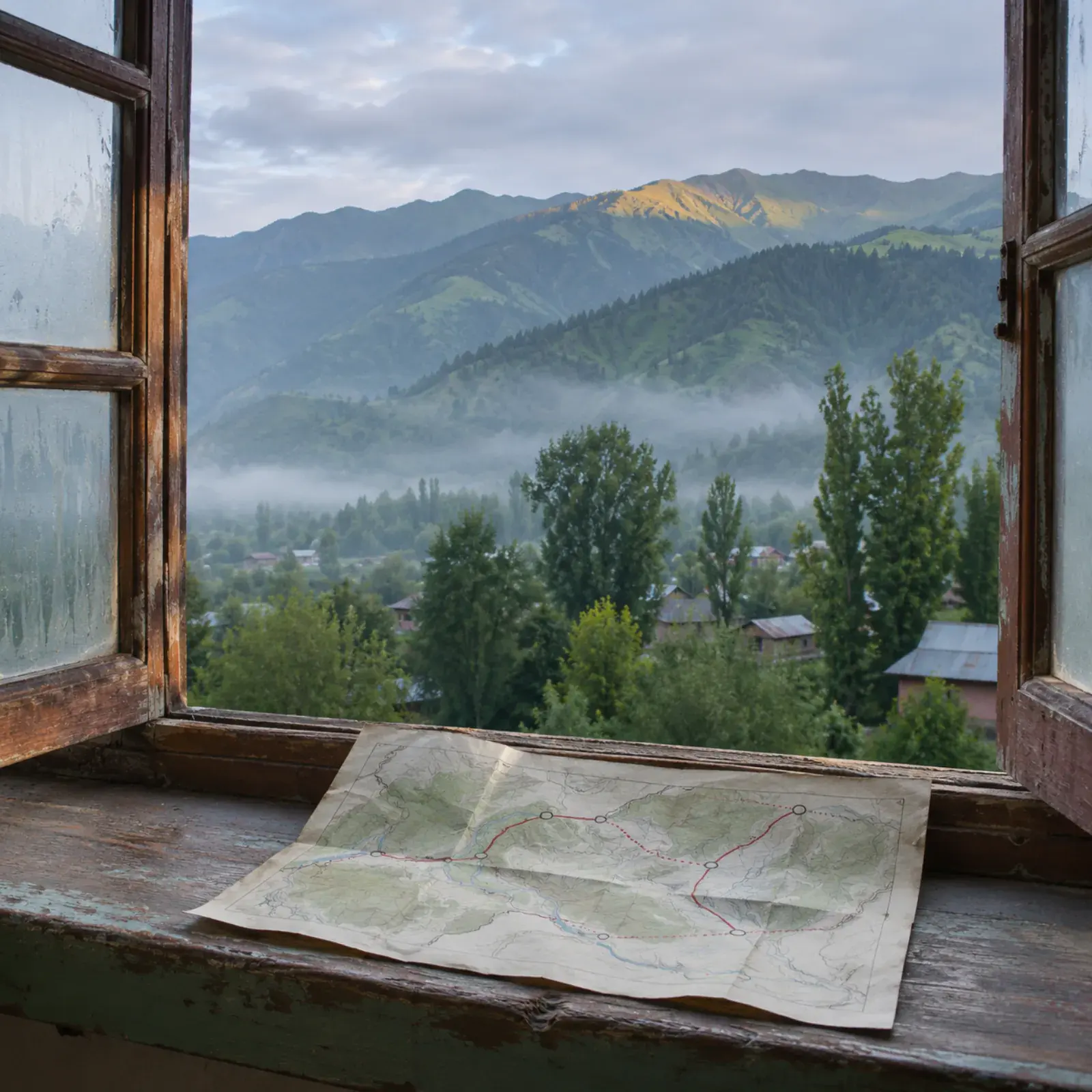
Choose a starting route and share your travel dates, group size and arrival point.
Decide where to sleep and how you want to get around. Ask for the rooms, meals and transfers in a free written quote.
Review the itinerary and payment schedule before you confirm.
Keep your pickup details handy. Reach our Srinagar team by phone or WhatsApp if your plans change on the road.
Contact
Send your dates and the places you want to visit. Ask the Srinagar team to compare routes, rooms and transport for your family, couple or group.
Free custom quote · Step 1 of 2